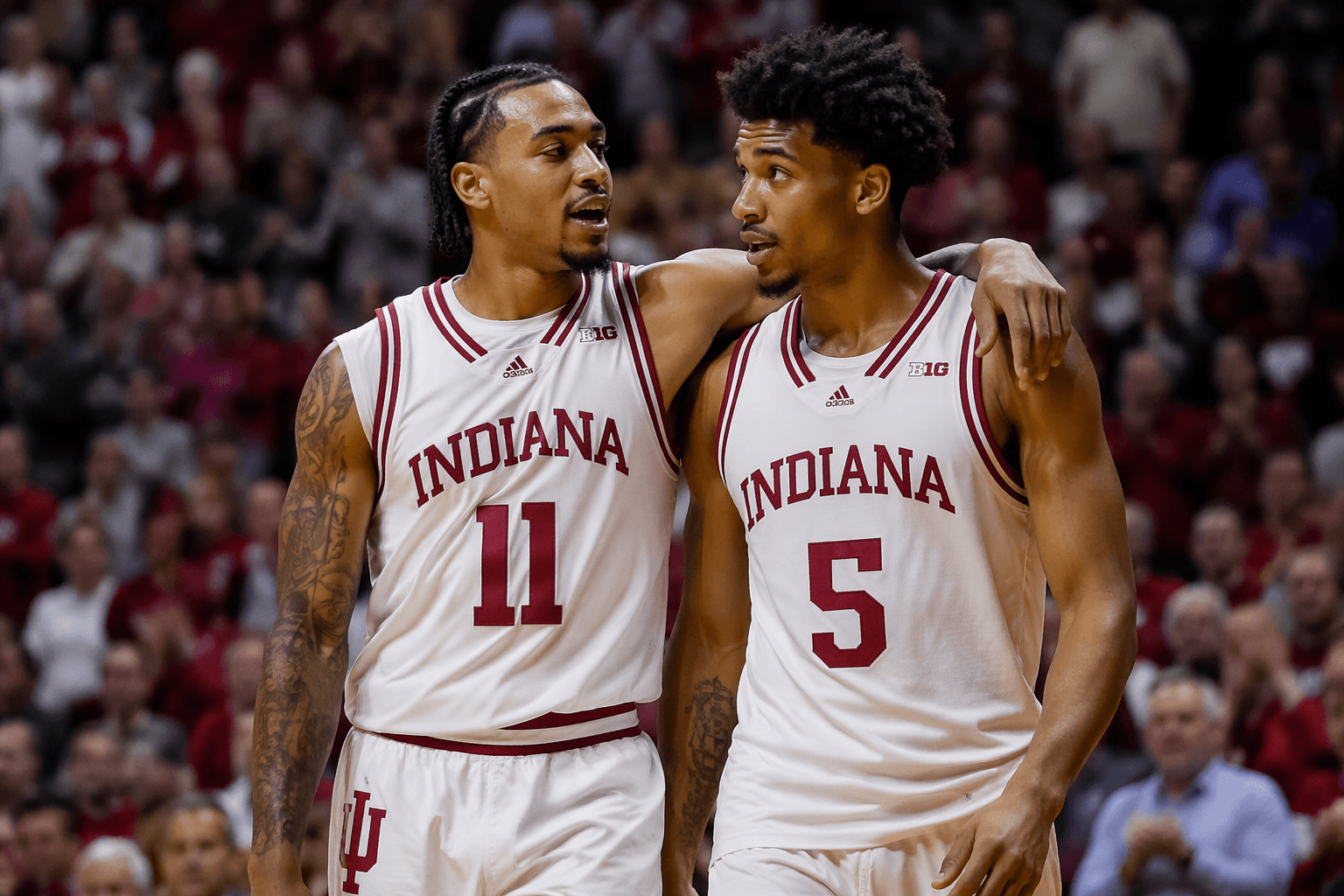
Indiana high schools enter NIL era under new IHSAA rules
Indiana high school hoops is entering a new rules era, with NIL-style personal branding allowed next year and basketball still split on how fast to modernize.
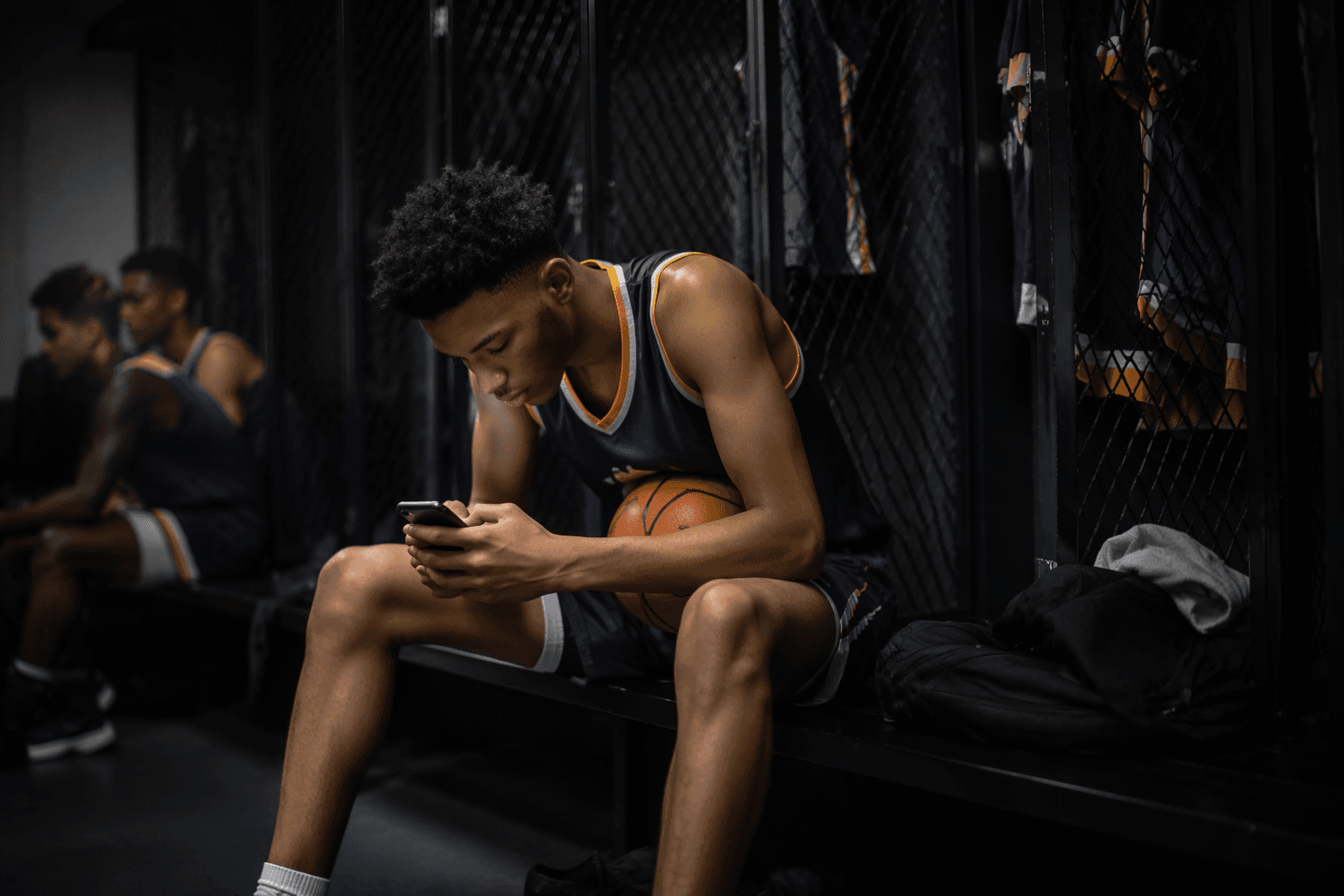
Indiana high school basketball is about to learn how to live with a new kind of star power. The Indiana High School Athletic Association has opened the door to personal branding deals for student-athletes, a change that reaches straight into recruiting, visibility, and the way families think about an elite player’s profile. For a state that still measures itself by old-school gym culture, the shift is real, and basketball will feel it first.
What changed at the IHSAA board table
On May 4 in Indianapolis, the IHSAA board approved Personal Branding Activities by a 13-5 vote, and the new rule takes effect with the 2026-27 school year. The board acted during its annual review of member school bylaws and approved 17 proposals overall, with five failing and one dying for lack of a motion. That larger vote count matters because it shows the NIL move was not an isolated tweak. It was part of a broader attempt to bring Indiana high school sports into a more modern framework while still drawing a hard line around school control.
The association chose the term Personal Branding Activities to separate its model from college NIL. Under the rule, student-athletes may profit from their own identity, but they may not use school affiliation or appear in uniform in those activities. IHSAA Commissioner Paul Neidig said the goal is to keep high schools out of arranging or funding athlete deals, which gives the rule a deliberately protective feel even as it opens a new lane for outside opportunity.
What players can do, and what they cannot
The IHSAA says PBA can include social media, personal appearances, endorsements unrelated to school participation, tutoring, personal training instruction, and coaching youth sports for reasonable compensation. That list is a clue to how the new era is supposed to work: the athlete can build a brand, but the school is supposed to stay out of the business side.
That distinction will matter in basketball because the sport gives top players a bigger public footprint than almost any other high school activity in Indiana. A guard with a large social following, a standout in a packed sectional gym, or a prospect who already draws college attention now has more room to turn visibility into value. At the same time, the state has tried to wall off the school from becoming part of the transaction, especially by banning school affiliation and uniforms in these activities and by prohibiting endorsements from serving as recruiting inducements.
Why Indiana basketball feels the pressure first
David Brand’s column in The Journal Gazette captures the moment well: Indiana high schools are being pushed, however reluctantly, into the NIL era. That is especially true in basketball, where the game’s visibility makes every policy shift feel larger than a line in a bylaws packet. The question is no longer whether athletes will build a personal brand. It is how much of that process schools, coaches, and families are willing to manage, tolerate, or resist.
That is the day-to-day consequence for Indiana programs. Coaches will have to think about social media habits, outside appearances, and whether an athlete’s off-court opportunities could create tension inside a locker room. Families will have to understand that the school can no longer be treated as the center of every deal, even when the player is wearing the school’s name on the floor two nights a week. For programs that still operate like NIL is someone else’s problem, the new rule forces a reset.
The practical effect on recruiting and visibility
The biggest change may not be the money itself. It may be the attention economy around it. In a basketball state where recruiting pressure already shadows top players, a personal brand framework can change how athletes present themselves, how often they post, and what kinds of outside events they accept. Schools will have to be more careful about distinguishing legitimate exposure from anything that looks like inducement.
That is where the IHSAA’s restrictions become important. If an athlete cannot use school affiliation or appear in uniform, then the message is clear: the brand belongs to the player, not the program. The rule is designed to preserve amateur status and the educational mission of high school sports, while still letting athletes benefit independently from their own identity. In practice, that means basketball families may start thinking more like small media operations, with every appearance and post carrying new weight.
Why the shot clock fight still matters
The NIL change did not happen in a vacuum. In the same broader modernization conversation, the board also rejected a 35-second varsity basketball shot clock proposal by a 17-1 vote. The Indiana Basketball Coaches Association had proposed adding the clock for the 2028-29 season, but the idea did not come close. About two-thirds of the 612 coaches who responded to an IBCA survey favored the shot clock, yet school administrators were far cooler on the idea, with only 79 in favor and 245 opposed.
That split says a lot about Indiana basketball’s current identity crisis. Coaches are willing to move, at least on some issues. Administrators are moving much more slowly. The NIL-style personal branding rule passed anyway, which suggests the state is willing to modernize selectively, one controversy at a time. A shot clock would have changed the game on the floor. Personal Branding Activities change the power structure around it.
What schools, coaches, and families should expect next
For schools, the immediate task is not to chase deals. It is to understand the boundaries. The IHSAA has made clear that high schools are not to arrange or fund these opportunities, and the rules are set up to keep the institution separate from the athlete’s outside earning activity. Programs that ignore that line risk confusion at best and eligibility problems at worst.
For coaches, the new era means the conversation is no longer limited to defensive rotations and sectional paths. Branding, social-media behavior, and the optics of outside work are part of the recruiting and retention picture now. For families, especially around high-level basketball, the practical question is how to build visibility without crossing into school-linked activity. Indiana is not turning high schools into endorsement mills. It is doing something more cautious and, for many traditionalists, more unsettling: allowing the athlete to move in the NIL direction while asking the school to stand back.
That is why this moment matters. Indiana basketball is still Indiana basketball, but the rules around who can benefit from its spotlight are changing fast, and the programs that adjust first will have the cleanest path through the new season.
This article was produced by Prism’s automated news system from verified source data, official records, and press releases, then run through automated quality and moderation checks before publishing. The system is built and supervised by the people who set the standards it runs under. Read our full AI policy.
Know something we missed? Have a correction or additional information?
Submit a Tip