Late-Game Execution Guide for Indiana High School Coaches: Clock Management, Foul Strategy
In Indiana sectional and regional games, masters of the final minute pick the last shot only with under 8-10 seconds; otherwise work the clock and force one-possession situations.
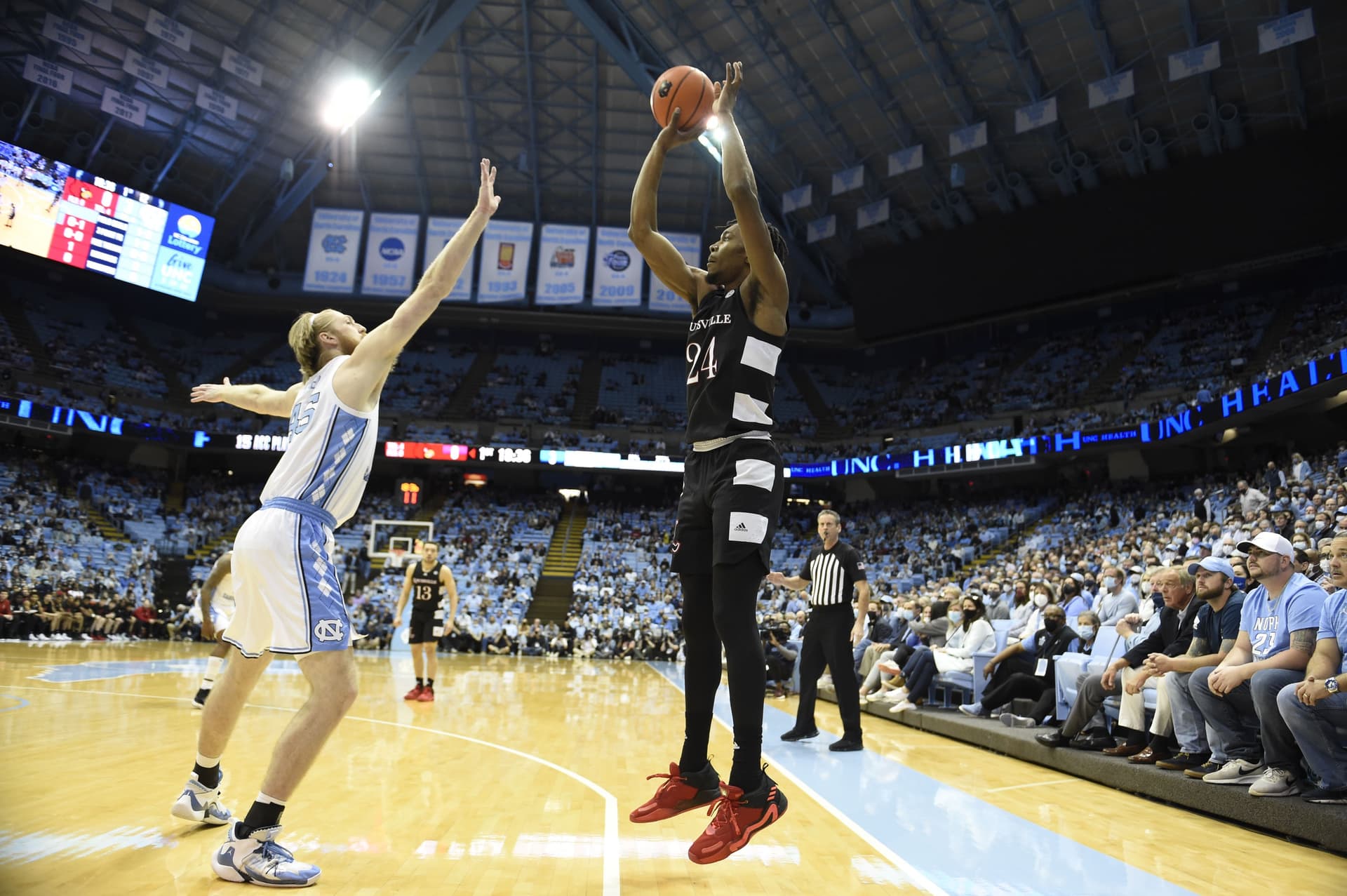
Indiana high school coaches navigating sectional and regional tournament late-game situations should treat clock management, foul strategy, and the last-shot decision as their three highest priorities. When trailing by one to three points with fewer than 10 seconds on the clock, the play call shifts toward creating a clean look or drawing a foul; when the offense has 15 to 40 seconds, the priority is efficient scoring and using the clock to limit possessions.
Clock management starts with simple, concrete thresholds. With 25 to 40 seconds remaining and the ball, prioritize ball security and use two or three passes to find a high-percentage shot while forcing the opponent to burn a timeout or consume a possession. With 8 to 10 seconds left, go for the last shot - design isolation entries, baseline out-of-bounds sets, or quick screens aimed at getting a single clean catch-and-shoot opportunity. Coaches should instruct players on exact timing: which player touches the ball at 6 seconds, who spaces to the corner at 4 seconds, and who is designated to attack the rim on catches inside the arc.
Foul strategy is the second pillar. When behind late, intentional fouls that stop the clock are viable if the opponent is not a dominant free-throw shooter; when leading, avoid quick fouls that give the opponent free throws and additional clock control. In sectional and regional tournaments where every possession is magnified, coaches must weigh sending an opponent to the line versus forcing turnovers; practice end-of-game foul scenarios with your rotation so bench players know when to foul, whom to foul, and how to prevent offensive rebounds after free throws.
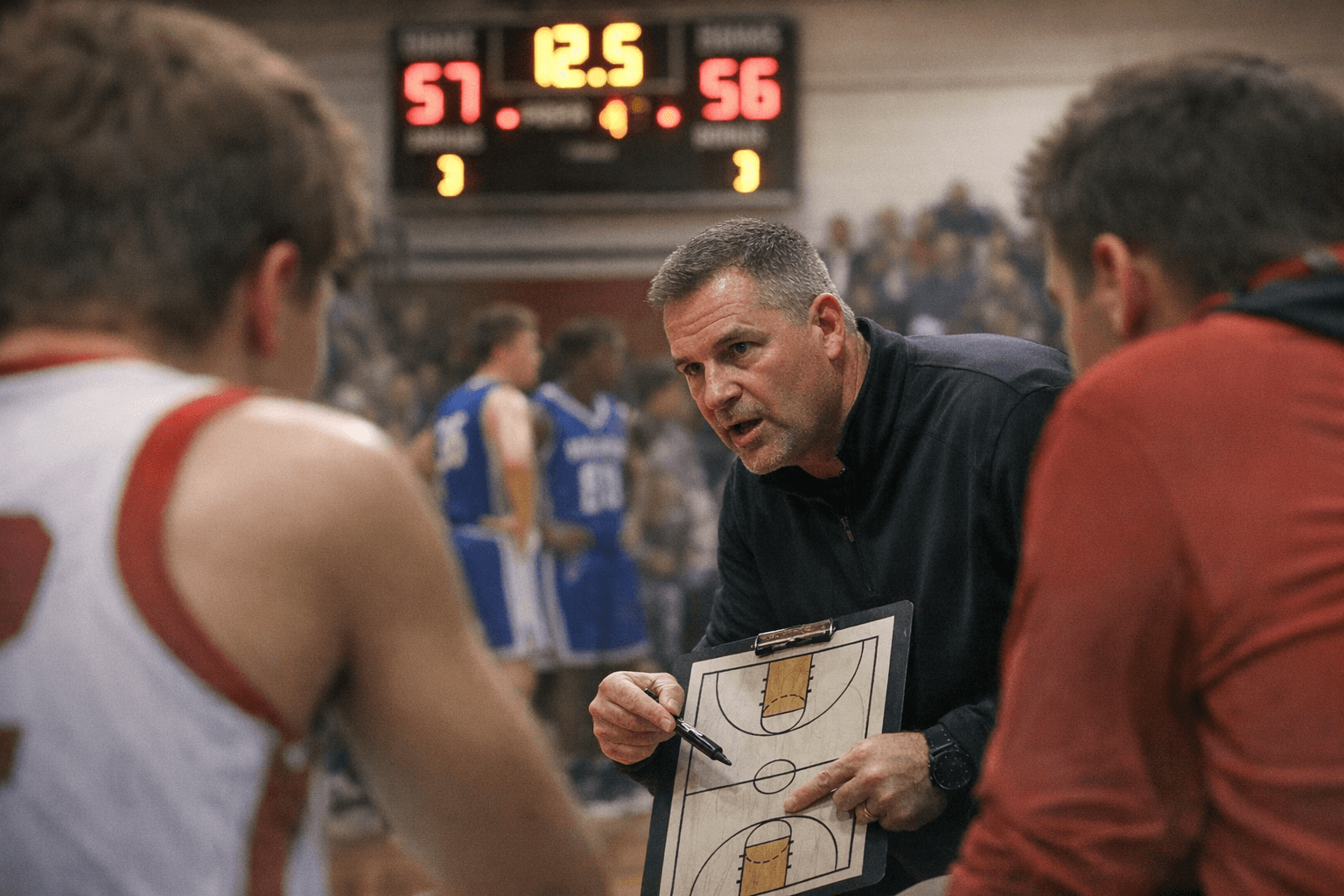
Deciding between looking for the last shot and working for efficient scoring must be pre-scripted. If up by two with 12 to 20 seconds left, work the ball into your best midrange or post threat and use the final five seconds for a safe release. If down by two with under 10 seconds, prioritize a quick drive to the rim or a kick-out for a corner three rather than running multiple sets that leave no time for a return possession. Drill situational reps where players practice a 10-second catch-and-shoot, a three-second drive-and-foul look, and a 20-second clock-killing possession to ingrain decision-making.
These tactical choices have broader implications for Indiana high school programs. Coaches who master late-game execution increase their teams' chances to advance deeper into sectional and regional tournaments, which affects program visibility, gate receipts for postseason games, and college scouting opportunities. Teaching precise clock reads, foul targets, and last-shot discipline turns tight tournament nights into repeatable competitive advantages for Hoosier teams.
This article was produced by Prism’s automated news system from verified source data, official records, and press releases, then run through automated quality and moderation checks before publishing. The system is built and supervised by the people who set the standards it runs under. Read our full AI policy.
Did this article answer your question?