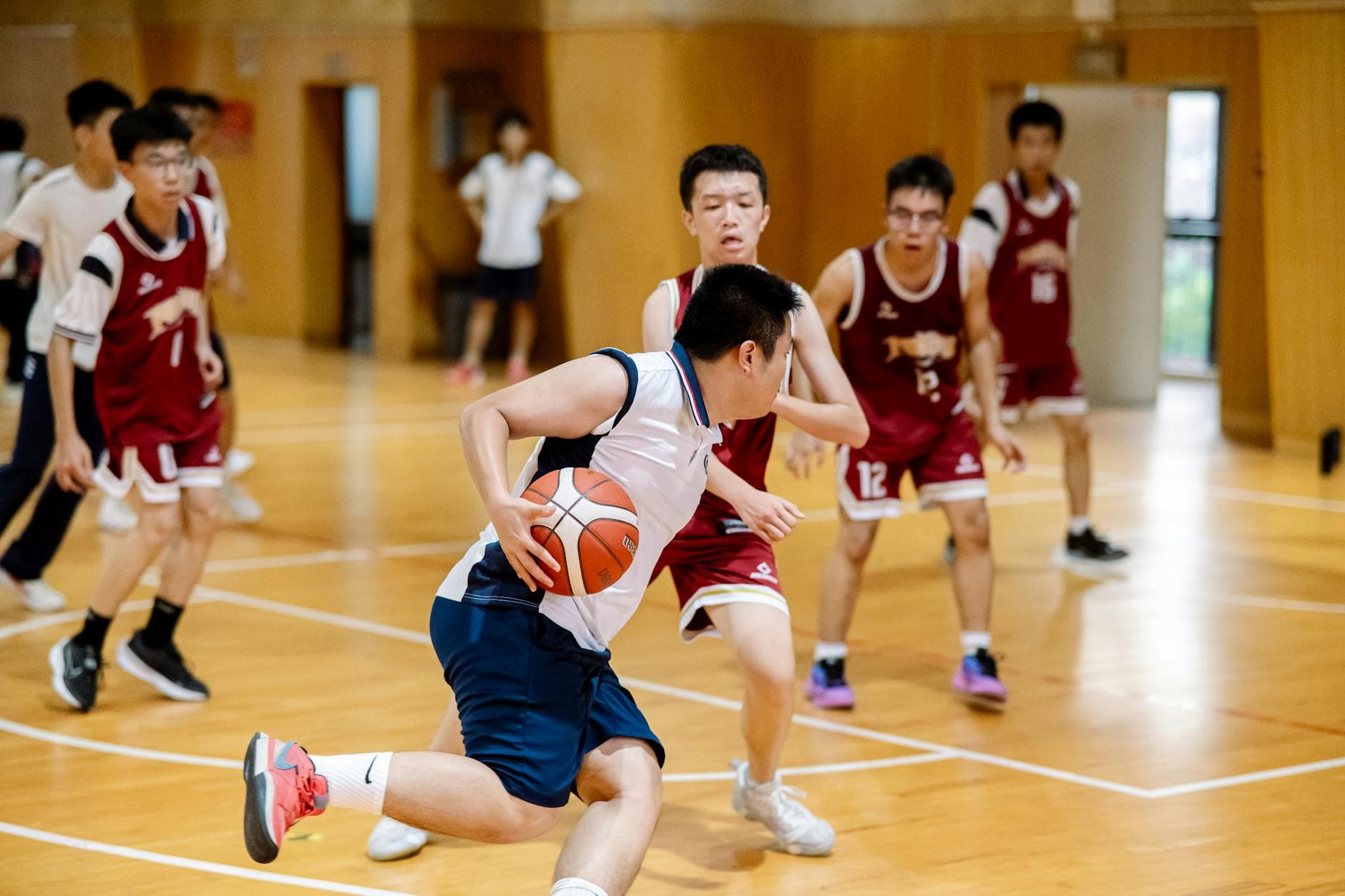
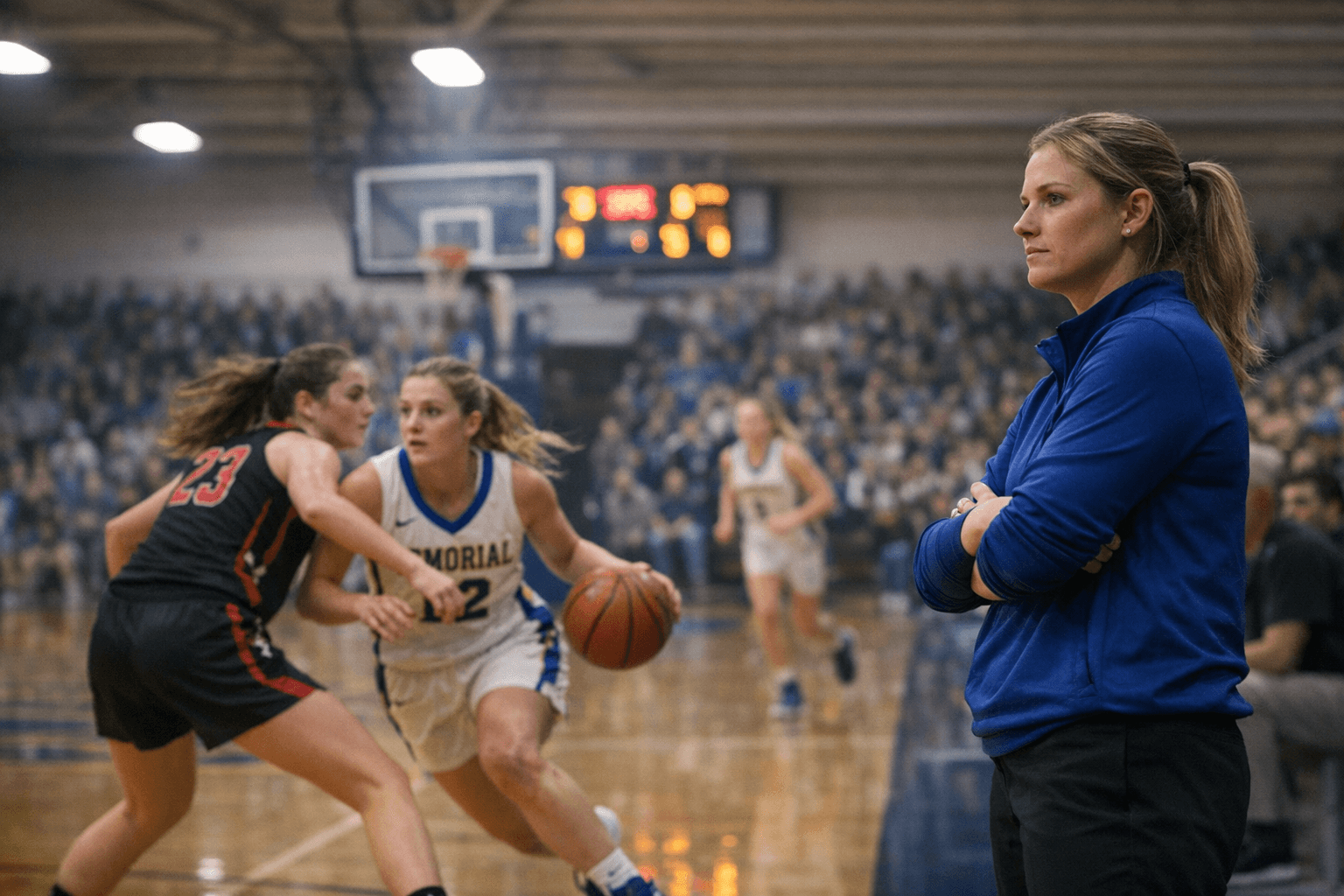
Lebanon Leprechauns feature six former Indiana high school stars, including Warren Central alums
Six former Indiana high school stars give the Lebanon Leprechauns a local hook, and three came from Warren Central’s unbeaten 32-0 title team.
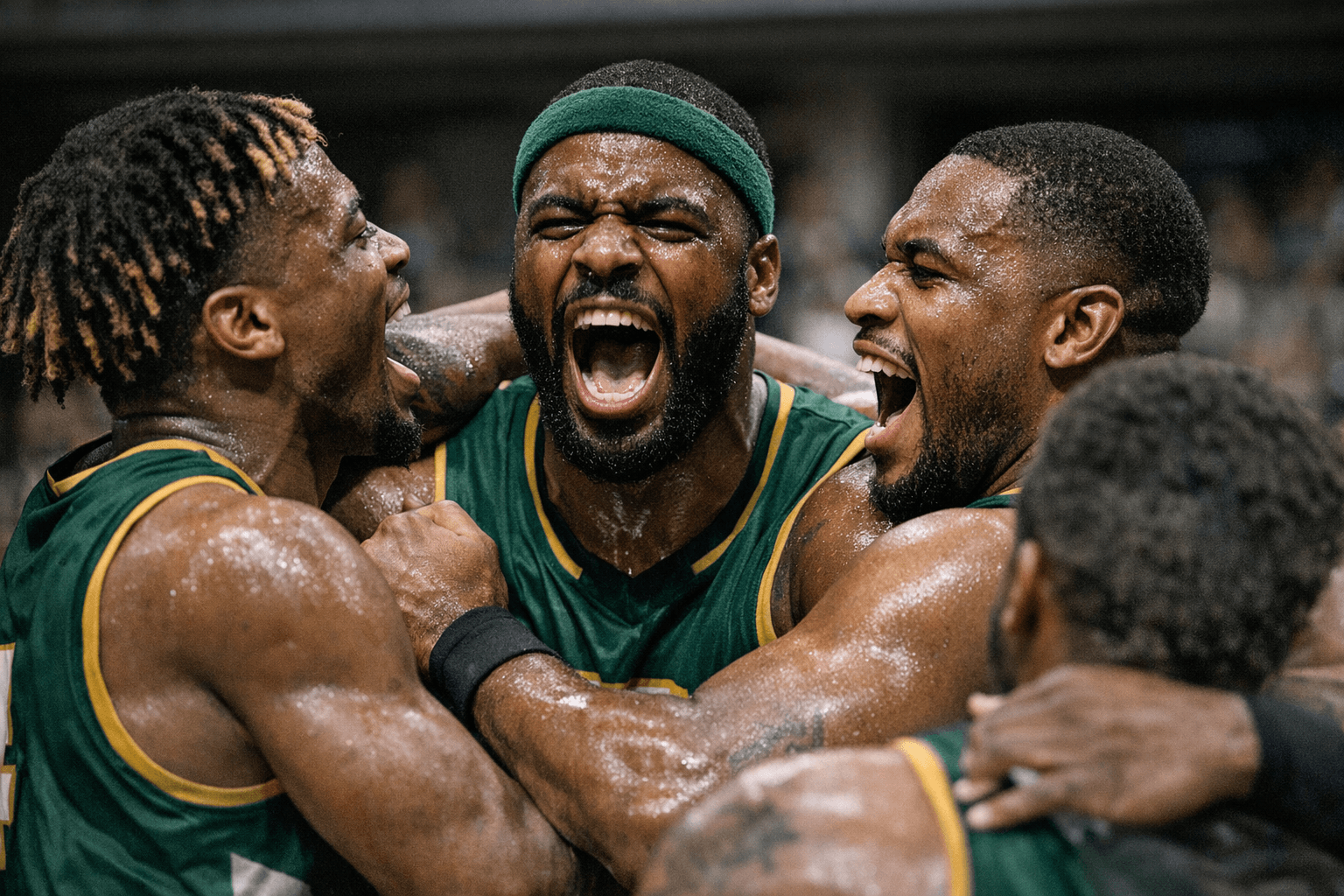
A pro team with a high school heartbeat
Six former Indiana high school players give the Lebanon Leprechauns something most professional teams do not have: a roster that still feels attached to the state’s gym culture. Based in Lebanon and competing in The Basketball League, the team has become a new stop for fans who want to keep following familiar names after the prep years are over.
That is why the Leprechauns matter beyond a simple offseason basketball story. They sit at the intersection of old rivalries, neighborhood pride and the next stage of a player’s life. In a state where basketball is part of the civic vocabulary, a local pro team with former Indiana standouts on the floor is not a novelty. It is another chapter in the same story.
Why the Warren Central connection changes the conversation
The strongest thread running through the roster is Warren Central. Three Leprechauns players were members of the Warriors’ 2017-18 team, the group that finished 32-0 and beat Carmel 54-48 to win the Class 4A state championship. That team has already taken on near-mythic status in Indiana basketball circles, and its presence on a Lebanon roster instantly gives the pro team a recognizable Hoosier backbone.
Warren Central’s place in the record book adds even more weight. The Indiana High School Athletic Association lists the program with 27 boys basketball state championships, a number that reinforces how much history is packed into those uniforms. When players from a perfect season show up together in Lebanon, they bring more than talent. They bring credibility, memory and a ready-made connection to fans who still remember packed sectionals and title runs.
Antwaan Cushingberry’s quote points to the bigger business
Antwaan Cushingberry’s role in the story is especially revealing because he described the Leprechauns in a way that goes beyond wins and losses. He said he wants to interact with the community and help get more people to games. That line captures what makes this roster interesting to watch: it is not only about basketball, it is about participation, visibility and turning former high school stars into local attractions again.
That matters in a small-market pro setting. A team in Lebanon does not sell itself through national buzz or marquee television windows. It has to feel personal, and Cushingberry’s comment shows how the roster can function as both a team and a community asset. The players are not just trying to extend their careers. They are helping build a reason for people to care on weeknights in Lebanon.
A local pipeline with real stakes
The deeper question this roster raises is whether Indiana is building a more meaningful post-high-school path for its basketball players. The answer, at least here, is encouraging. The Leprechauns give former prep stars a place to keep competing close to home, and that keeps their names visible in a way that can matter to fans, younger players and coaches tracking the state’s talent pipeline.
The league’s own model supports that idea. The Basketball League says it is built around giving players a chance to make a living playing the game they love in America, with a focus on community and positive impact through school visits and clinics. That is not the same as a G League operation, and it is not trying to be. Its appeal is more local, more accessible and more connected to the towns that produce the players in the first place.
For Indiana, that creates something worth paying attention to. If a former high school star can land on a roster in Lebanon and remain visible in the same basketball ecosystem that shaped him, then the state’s pipeline is doing more than producing memories. It is creating a continuing identity.
How Lebanon fits into the league’s plan
The Lebanon market was announced in September 2021, with Preston Myers leading the ownership group. League CEO Evelyn Magley introduced the market as part of The Basketball League’s expansion, and the team was set to begin play in the 2022 season. That timing matters because it shows the Leprechauns were built as part of a broader community-minded model, not as a one-off experiment.
The league also outlined a clear rhythm for the season: a 24-game schedule between March and May, with playoffs in June. That structure leaves room for the kind of regional follow-through Indiana fans tend to appreciate. It is a compact, watchable schedule that can keep old local ties alive without asking supporters to treat the team like a full-time major pro commitment.
Why the venue and the setting matter
TBL later linked the Leprechauns to Farmer’s Bank Field House in Lebanon, a 200,000-square-foot venue that gives the team a real home base rather than a temporary showcase feel. That detail matters because a local professional team needs more than a name and a logo. It needs a place where the community can recognize itself, and where players can build a routine that feels rooted instead of borrowed.
Lebanon is a fitting setting for that kind of experiment. The town sits close enough to the basketball map of Indianapolis and Boone County to feel familiar, but far enough from the state’s largest arenas to make the local pro product feel distinct. The result is a team that can pull from Indiana history while still trying to build something new.
What this means for Indiana basketball followers
The Leprechauns are not just a quirky footnote in the state’s hoops calendar. With six players tied to Indiana high school basketball, including three from one of the most celebrated Warren Central teams ever, they offer a way to track what happens when prep careers do not end at graduation. Some players move on quickly. Others keep finding places to play, and Lebanon gives them a stage that still feels close to home.
That is the real story here. The Leprechauns suggest that Indiana’s basketball identity does not stop at the final horn of the state tournament. It extends into the next gym, the next town and the next chance for a familiar name to matter again. For fans who have always treated the high school game as the start of the journey, not the end of it, that is a development worth watching closely.
Know something we missed? Have a correction or additional information?
Submit a Tip