Measurable 6-Week Plan Boosts 3-Point and Late-Game Shooting for Hoosier Teams
A measurable six‑week plan built on three pillars, progressive practice, measurable goals and tracking, and late‑game simulation, gives Hoosier head coaches and shooting coaches a blueprint to lift 3‑point and clutch shooting.
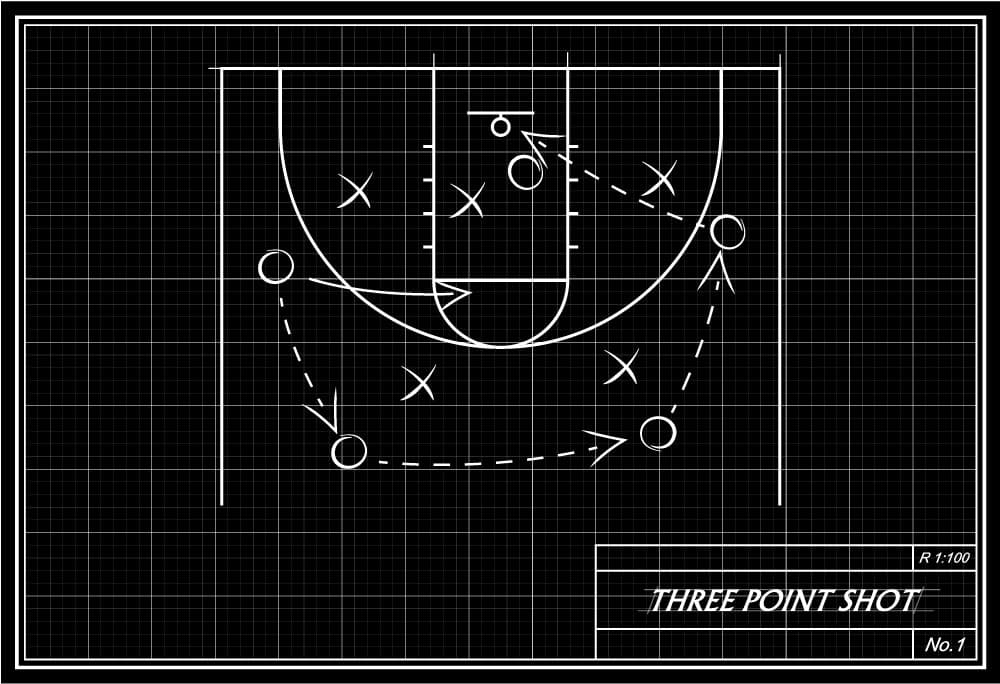
1. Overview of the six‑week blueprint
This is a practical, implementable six‑week plan for head coaches and shooting coaches to raise team 3‑point accuracy and late‑game situational shooting percentage. The program rests on three pillars and is designed so every practice, drill and test produces a measurable change you can track week to week. If you need a plan that turns practice time into measurable improvement rather than wishful thinking, this is it.
2. Pillar A, progressive practice structure
Progressive practice structure means you build shooting difficulty and decision pressure in a clear sequence over six weeks: fundamentals, spot shooting, contested catch‑and‑shoot, off‑dribble threes, and finally late‑game pressure reps. Each progression preserves the same mechanics and shot locations so players refine one variable at a time; that makes improvement measurable and repeatable for head coaches tracking team 3‑point accuracy. For shooting coaches, this approach prevents the scattershot practice that produces no consistent improvement in late‑game situational shooting percentage.
3. Pillar B, measurable goals and tracking
Set explicit, numeric targets every week for team and individual KPIs tied to 3‑point and late‑game performance, then track them. Examples: weekly makes/attempts by spot, team catch‑and‑shoot percentage, late‑game (final 5 minutes within 5 points) field‑goal percentage, and on‑court decision errors during situational reps; record these numbers each practice so the head coach and shooting coach can see trends. The value is simple: measurable goals remove guesswork and let you know if the progressive practice structure is actually moving the needle on 3‑point accuracy and clutch shooting.
4. Pillar C, late‑game simulation and pressure conditioning
The third pillar is deliberate late‑game simulation: scripted scenarios, controlled pressure, and rotation reps that replicate the clock, scoreboard and defensive looks players will face. Late‑game situational shooting percentage rises only if players practice shots under stress that mirrors games, timeout setups, sideline inbounds, contested step‑backs with the clock dwindling. Head coaches must own scenario design; shooting coaches run the reps, measure shot quality and count decision errors so each simulation directly informs the measurable goals in Pillar B.
5. Six‑week progression (weekly themes)
Structure the six weeks with a weekly theme so progress is visible: week 1, foundation and mechanics; week 2, spot shooting and balance; week 3, catch‑and‑shoot under light pressure; week 4, off‑dribble threes and spacing; week 5, contested catch‑and‑shoot and movement; week 6, concentrated late‑game simulations and final testing. Each week should link to the progressive practice structure (Pillar A) and produce at least one tracked KPI improvement (Pillar B) and one scenario rehearsal (Pillar C). That sequence gives head coaches a clear narrative for improvement and lets shooting coaches escalate difficulty in a controlled, measurable way.
- Warm‑up and mechanics (10–15 minutes): form shooting and balance drills tied to baseline mechanics the shooting coach monitors.
- Progressive shots (20–25 minutes): prescribed spot and movement shots that follow the week’s theme and are recorded as makes/attempts.
- Pressure reps (15–20 minutes): 2‑minute clock scenarios, late‑game inbounds, and contested looks that reproduce game stress and feed into late‑game situational shooting percentage.
- Team scrimmage with role constraints (10–15 minutes): force late‑game roles so data on clutch decision‑making is produced.
6. Daily practice template that aligns with the pillars
Use a short, repeatable template so practices are efficient and measurable:
Make sure each segment feeds numbers to your tracking sheet: every practice should produce at least three measurable datapoints a head coach can review.
7. Testing protocol and measurable checkpoints
Create a baseline test in week 0 and repeat it at the end of weeks 2, 4 and 6 so progress is visible. The baseline should include a 60‑shot spot test across standard 3‑point locations, a 20‑rep late‑game scenario test (shots within last 5 minutes/within 5 points), and a catch‑and‑shoot drill under mild contest. Use the same format each test so you compare apples to apples; that consistency is what converts practice into a measurable lift in team 3‑point accuracy and late‑game situational shooting percentage. Head coaches should expect the tests to expose weaknesses, not confirm instincts, and adjust the next week’s theme accordingly.

8. Roles and responsibilities for head coaches and shooting coaches
Assign clear ownership: the head coach runs the weekly themes, scenario priorities and game‑integration; the shooting coach owns mechanics, progression details, rep counts and the spreadsheet that tracks KPIs. That division aligns with the research premise: this blueprint is for both head coaches and shooting coaches working together to improve 3‑point and clutch shooting. Daily responsibility should be explicit, who logs makes/attempts, who grades shot quality, who runs the simulation stopwatch, so nothing falls into a gray area when late‑game outcomes matter.
9. Simple tracking sheet fields every program needs
Keep tracking simple and focused on the three pillars: week number, player name, location (left corner, wing, top), drill type (spot, off‑dribble, pressure), makes/attempts, catch‑and‑shoot %, late‑game scenario % and notes on decision errors. A compact sheet like this connects practice reps to measurable goals and lets you produce trend charts after weeks 2 and 4. For head coaches, those charts are the evidence you need to alter rotation decisions or to justify more reps for a specific player.
- Make the first rep in every practice a tracking rep so players know data matters.
- Limit practice variability: measure the exact same shots and scenarios each test day.
- Reward progress with role clarity, if a player’s late‑game scenario percentage improves, give them more late‑game reps in scrimmages.
10. Practical tips that turn data into wins
These are the finishing moves that convert the three pillars into measurable improvement in team 3‑point accuracy and late‑game situational shooting percentage.
11. What success looks like, short, measurable outcomes
Success is not vague confidence; it is measurable shifts: consistent weekly improvements on the tracked KPIs and better execution in the late‑game simulation by week 6. For head coaches, that should translate to clearer late‑game rotation choices; for shooting coaches, it means repeatable mechanics under pressure. This six‑week blueprint creates the data trail proving the work led to better 3‑point and clutch outcomes.
12. Closing: implementation in one sentence
Adopt the three pillars, progressive structure, measurable goals and tracking, and late‑game simulation, run the six‑week sequence, and let the numbers tell you whether your Hoosier team’s 3‑point accuracy and late‑game shooting actually improved.
This article was produced by Prism’s automated news system from verified source data, official records, and press releases, then run through automated quality and moderation checks before publishing. The system is built and supervised by the people who set the standards it runs under. Read our full AI policy.
Did this article answer your question?