NFHS adds clock timing changes for late-game basketball decisions
The NFHS tightened last-second timing, requiring 0.3 seconds to come off after a legal touch and giving officials a silent-count fix for malfunctions.
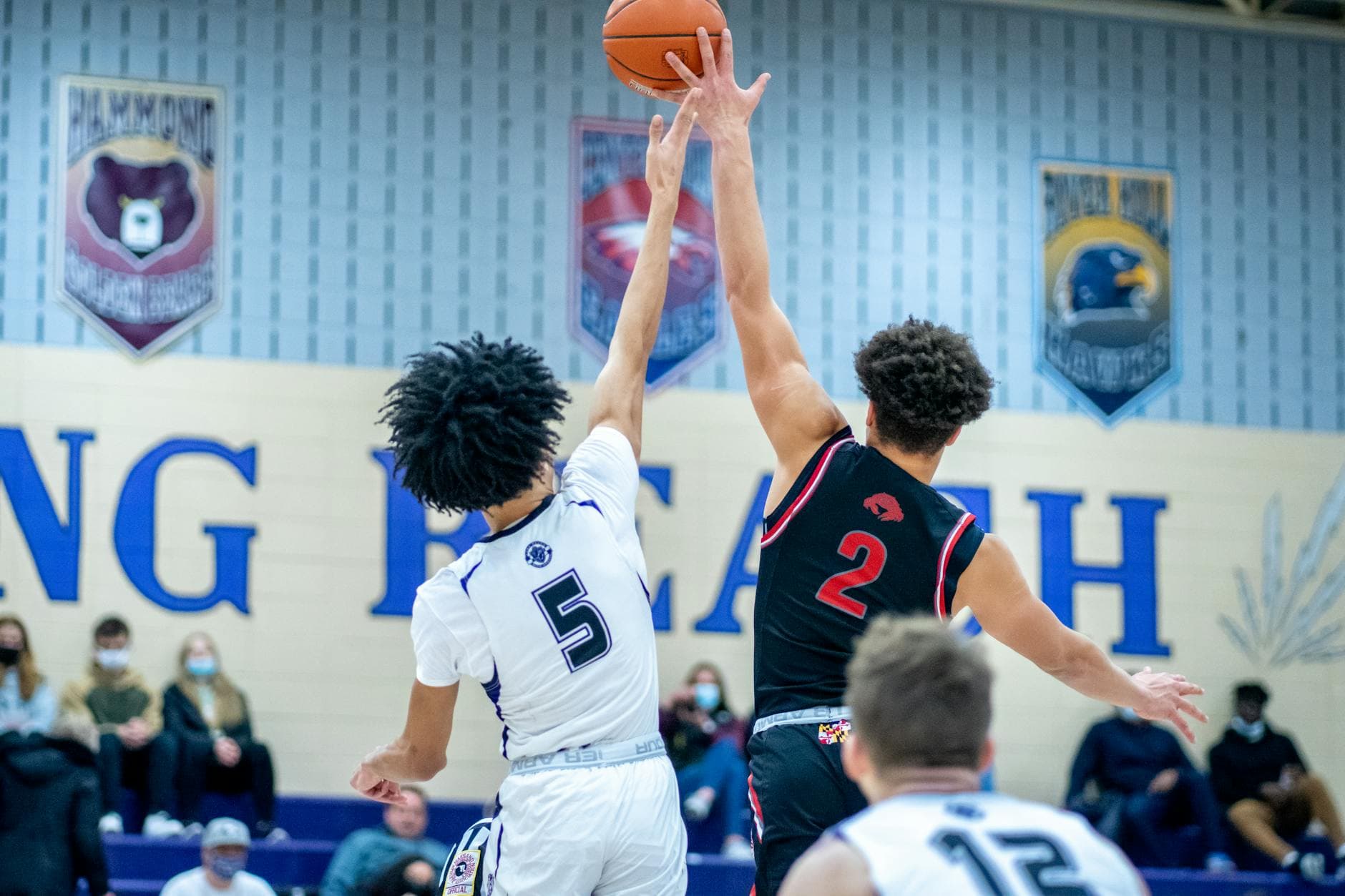
Indiana’s next winter of close games will now be played under a sharper clock. The NFHS added a timing rule that requires at least 0.3 seconds to run off after a throw-in is legally touched inbounds during the last 59.9 seconds of a quarter or overtime, a change aimed at ending the kind of frantic end-of-period disputes that can decide a sectional night by a single possession.
The new language is part of a five-rule package for 2026-27, and it was shaped at the NFHS Basketball Rules Committee’s April 27-29 meeting in Indianapolis before passing through the Rules Review Committee and the Board of Directors. The federation also built in a silent-count procedure for rare clock malfunctions, giving officials a way to correct timing errors when the clock is not started or stopped properly. Monica Maxwell, the NFHS director of sports and liaison to the Basketball Rules Committee, said the goal was clearer guidance, greater consistency and practical solutions when timing goes wrong.
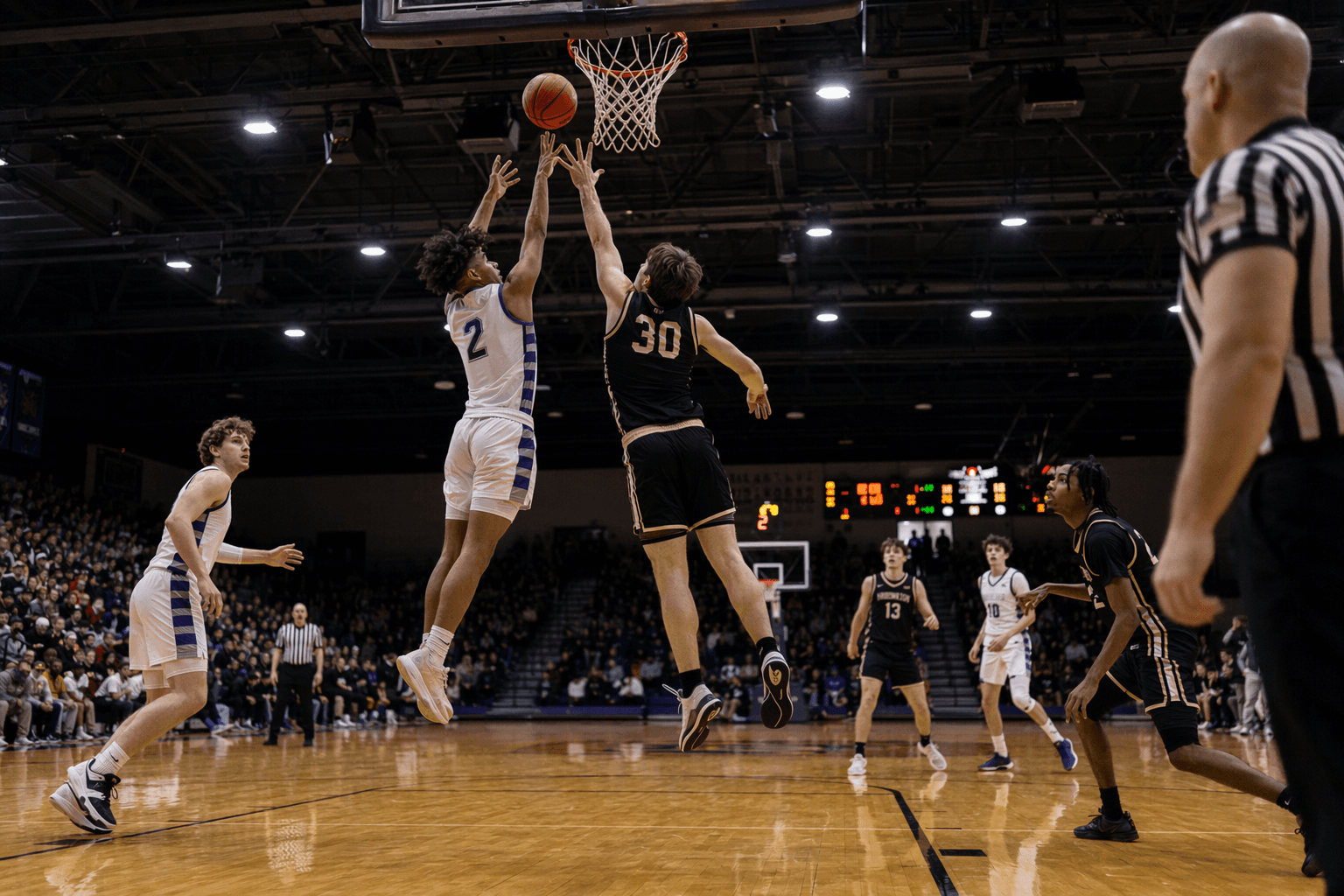
The consequences show up immediately in late-game coaching decisions. If a team is down one and has a sideline throw-in with tenths on the clock, the new 0.3-second minimum changes which plays are even worth calling. A lob at the rim that might have been ruled playable in the chaos now comes with a built-in time check, forcing coaches to decide whether to go for a catch-and-release shot or save the possession for a set that can survive the clock math. The same goes for substitution patterns: coaches may keep their best inbounder, tallest target and most reliable foul shooter lined up together, because the margin for error on a final touch is now more defined.
Officials, too, get a more orderly script in the moments that usually become the loudest. A silent count for a malfunction removes some of the guesswork from a dead-stop clock, and that should cut down on arguments over whether a last-second bucket came before or after the horn. The rest of the package follows the same logic, including a rule creating one dead-ball period when opposing technical fouls happen at about the same time and a clarification that a throw-in violation sends the restart back to the original spot.
The timing changes land as Indiana continues to debate a shot clock without adopting one. The IHSAA board voted against a 35-second proposal submitted on behalf of the Indiana Basketball Coaches Association, even as an IBCA survey found 68% of respondents favored adding a shot clock. The NFHS said boys basketball drew 540,704 participants in 18,690 schools and girls basketball 356,240 in 18,208 schools in 2024-25, a scale that explains why every detail of the final minute keeps drawing national attention. The print rules book will be available in late July, with the digital version in July.
Know something we missed? Have a correction or additional information?
Submit a Tip