Roncalli Senior Brayden Collins Returns to Court After Leukemia Fight
Brayden "BC" Collins, a Roncalli High School senior, returned to the court in January 2026 after battling high-risk B-cell acute lymphoblastic leukemia, a comeback that resonated across the program and community.
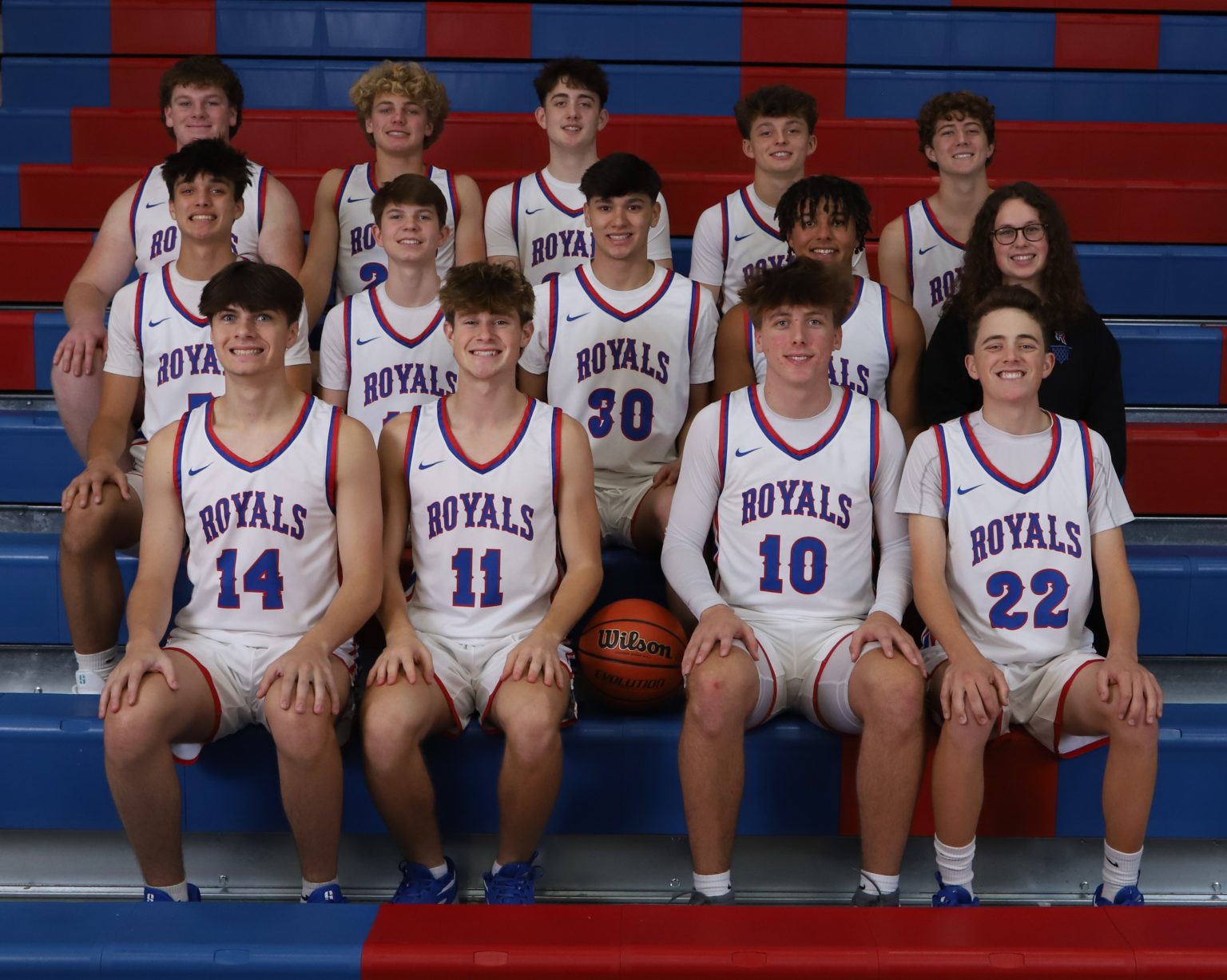
Brayden "BC" Collins stepped back onto a Roncalli High School court in January 2026 after enduring extensive treatment for high-risk B-cell acute lymphoblastic leukemia diagnosed in 2024. The senior’s return is a vivid reminder of how high school sports intersect with health, resilience, and community support.
Collins’ comeback was more than a ceremonial halftime appearance. Reports mark his return to competition after months away from the game, and a platform recounting the moment captured the narrative punch: "A clutch shot puts an exclamation point on this teen's return to basketball." That sequence, coming back into game action and sinking a decisive basket, crystallizes the athletic and psychological dimensions of his recovery. Social posts echoed the personal side of the story; one Facebook post summarized the arc plainly: "Roncalli senior Brayden Collins was diagnosed with leukemia before his junior year of high school. Coming back to basketball inspired him."
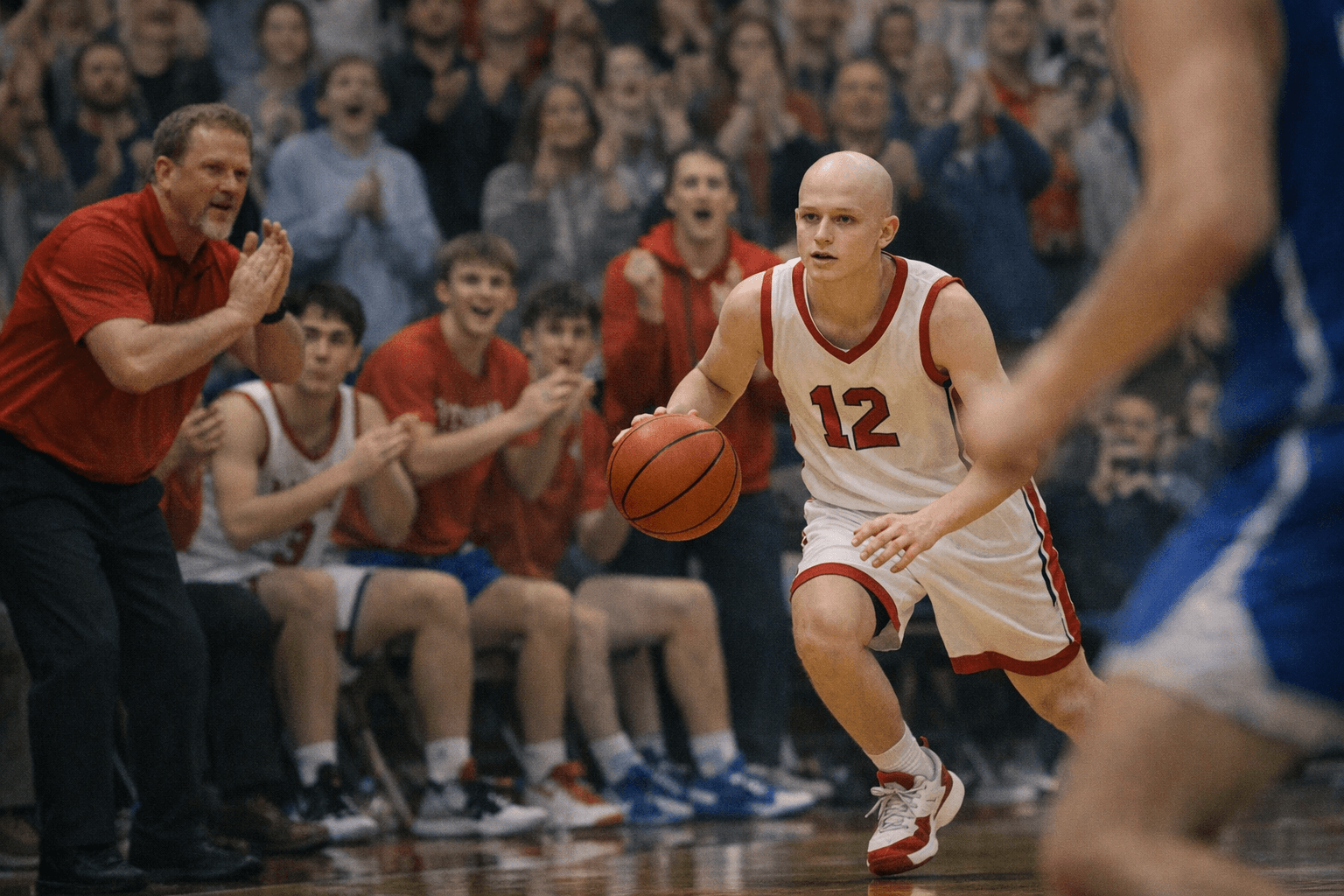
From a pure performance standpoint, the available details underscore Collins’ readiness to re-engage with competitive minutes. Returning to game speed after "extensive treatment" implies a coordinated medical clearance and a phased conditioning plan, both of which are increasingly common in high school programs that work with medical teams and athletic trainers. Collins’ ability to deliver a clutch basket under pressure speaks to maintained skill and situational confidence even after a lengthy layoff.
The broader industry trend this episode highlights is the growing focus on athlete health pathways in scholastic sports. High school programs are investing more in protocols for post-illness transitions, from clearance criteria to individualized strength and conditioning. Collins’ story will likely prompt local coaches and athletic directors to revisit return-to-play policies, and it may influence how prep programs engage with pediatric oncology centers, rehabilitation specialists, and mental health resources.
Culturally, Collins’ return resonates in Indianapolis-area basketball circles where high school games are social glue. His comeback is not just a personal milestone; it becomes part of Roncalli’s season narrative and a rallying point for classmates, alumni, and youth players who see a clear example of perseverance. That visibility also matters for young athletes facing medical challenges: seeing a peer play again reframes expectations about recovery and the role of sport in rehabilitation.
Social implications extend beyond inspiration. Collins’ case spotlights the need for accessible medical guidance, school-based academic accommodations during treatment, and sustained support networks for student-athletes navigating serious illness. As the season progresses, attention will turn to how Roncalli integrates Collins back into rotation, how coaches manage his minutes, and whether his story spurs lasting partnerships between schools and pediatric specialists.
For readers following Indiana high school hoops, Brayden "BC" Collins’ return is a powerful narrative thread in the season: a reminder that wins and losses sit alongside health and human drama, and that the rhythm of high school basketball often reflects life’s tougher rebounds.
This article was produced by Prism’s automated news system from verified source data, official records, and press releases, then run through automated quality and moderation checks before publishing. The system is built and supervised by the people who set the standards it runs under. Read our full AI policy.
Did this article answer your question?