Sectional Play Shift: Prioritize Late-Game Sets, Scouting, Mental Preparation
As teams shift into sectionals and regionals, coaches must trade broad development for opponent-specific scouting, practiced late-game sets, and mental preparation to win tight playoff contests.
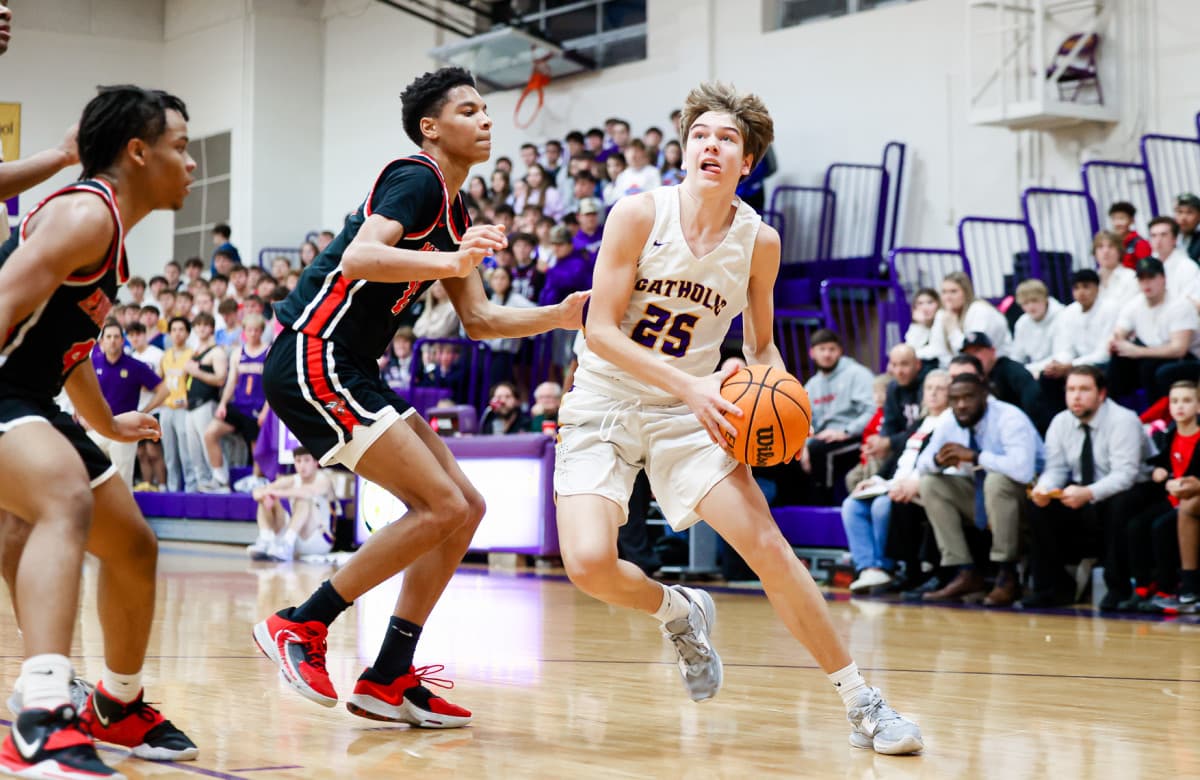
Sectional and regional basketball compresses margin for error, and Indiana coaches are being urged to change practice priorities now. Rather than drilling every half-court wrinkle from October through February, the playoff window rewards teams that can execute a handful of late-game plays, exploit one opponent weakness, and keep players mentally steady under pressure.
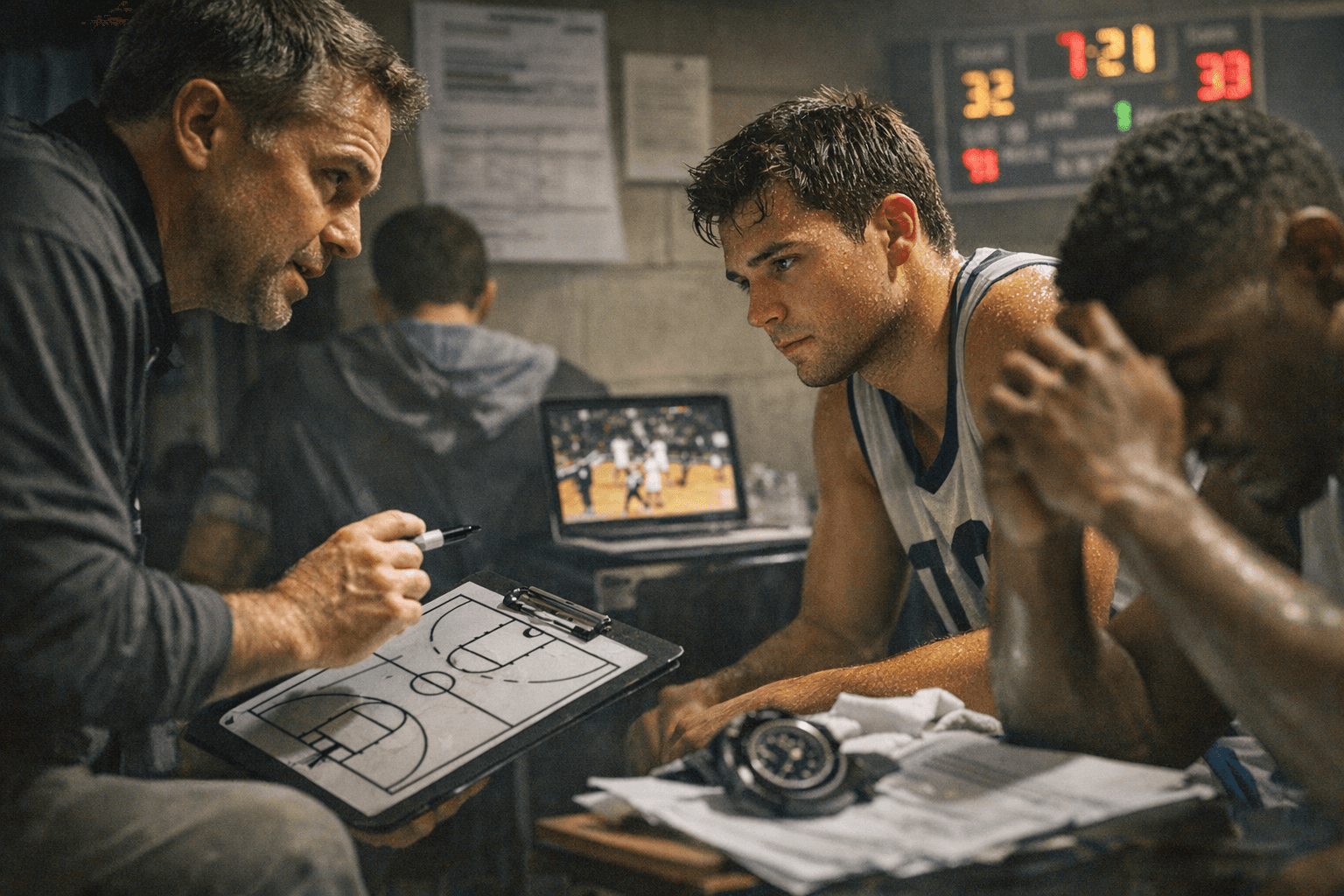
The most immediate change is practical: install a short, intense package of late-game sets and rehearse them until reactions are automatic. Teams should focus on three to five end-of-clock plays for both last-possession and post-possession scenarios, plus two inbound plays for baseline and sideline situations. Reps should include pressure free-throw sequences that simulate crowd noise and fatigue, and two-minute offense that forces decisions on shot selection and foul management. Repetition reduces hesitation; in sectional overtime, hesitation costs championships.
Scouting becomes surgical at this stage. Coaches need opponent-specific scouting reports that quantify late-possession tendencies: who isolates, who curls to the corner, how often a team fouls to stop the clock, and which player handles pressure ball. Video clips should be clipped into one-minute packages for walk-throughs so film sessions reinforce practice. Assigning a secondary defender to the opponent’s primary late-clock initiator, or adjusting the rotation to protect players in foul trouble, are small changes with big payoff.
Mental preparation is the third pillar. Teams that practice crossing the line between practice pressure and game panic perform better when whistles fly and the gym gets loud. Controlled stress drills - timed decisions with consequences, competitive free-throw streaks, and simulated hostile environments - help players manage adrenaline. Coaches should also protect sleep, limit travel the day before sectionals, and keep scouting sessions concise to avoid cognitive overload.
The shift has broader implications for the Hoosier basketball ecosystem. Simpler playbooks and distinctive late-game identities make for better live games and clearer scouting reports for college coaches; that can boost post-season exposure for standout performers. Local businesses and playoff attendance benefit from tighter, more competitive games that keep fans in the stands until the final horn. Socially, teaching young players how to handle pressure serves them beyond sport - decision-making, composure, and accountability are life skills.
Execution will separate favorites from upstarts. Teams that prioritize a compact set of dependable late-game options, scout the opponent’s closing habits, and practice mental toughness will increase their chances of advancing. For fans and communities, expect sectionals and regionals to hinge on a handful of rehearsed plays and the players who can deliver them when it matters most.
This article was produced by Prism’s automated news system from verified source data, official records, and press releases, then run through automated quality and moderation checks before publishing. The system is built and supervised by the people who set the standards it runs under. Read our full AI policy.
Did this article answer your question?