Seven-Day Semistate Prep Plan Helps Indiana Teams Peak at the Right Time
Surviving regionals is one thing; peaking at semistate is another. Here's the seven-day blueprint Indiana programs use to get there.
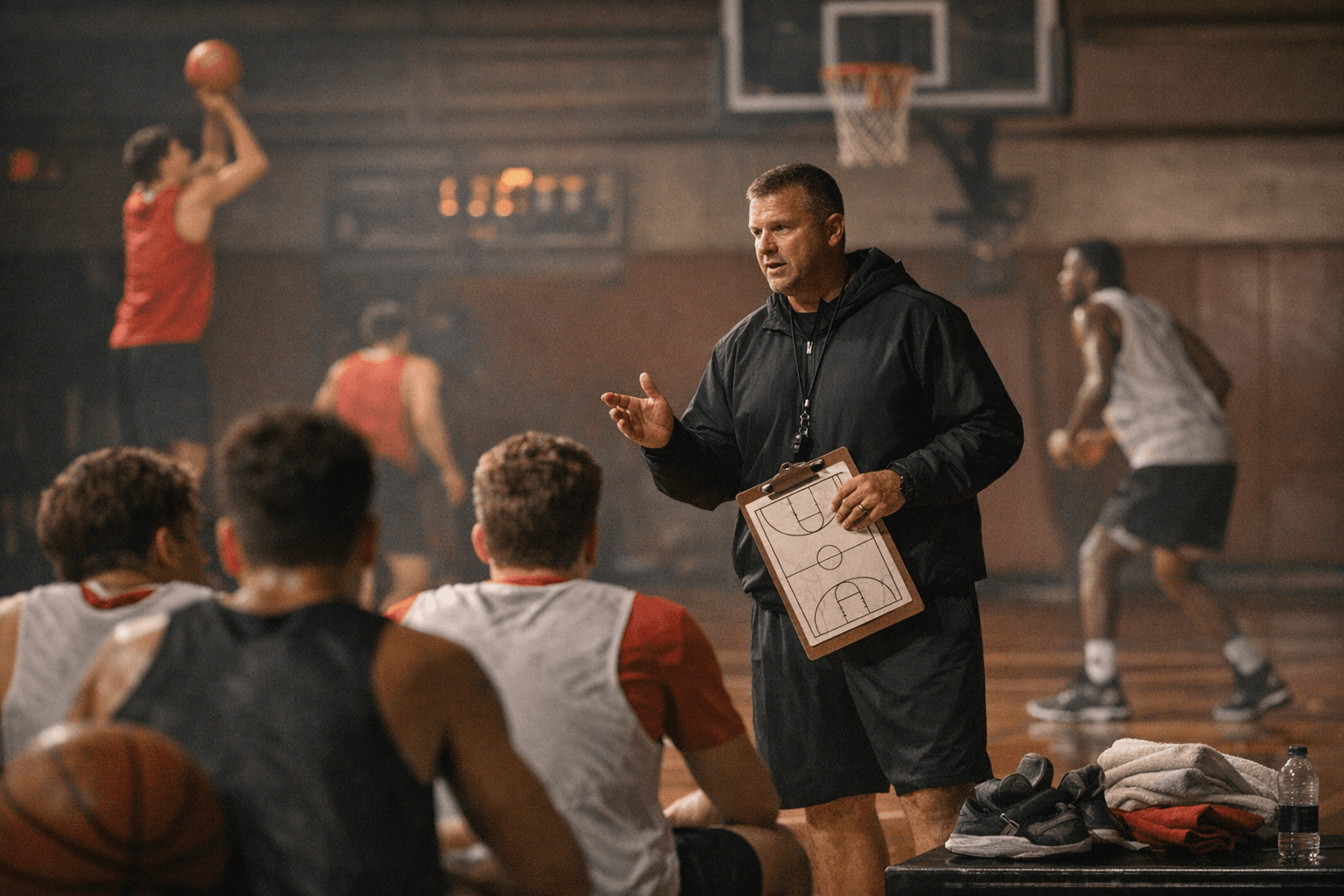
Advancing past regionals is the moment every Indiana high school basketball program works toward from the first day of November practice. But the seven days that follow can make or break a team's semistate run just as decisively as any single game. The window is short, the stakes are the highest they've ever been, and the margin for error collapses. This plan gives coaches and players a structured, day-by-day framework designed specifically for the regional-to-semistate stretch, assuming a Saturday tip-off and exactly seven days to prepare.
Why the Semistate Week Is Different
Regional wins carry momentum, but they also carry fatigue, emotional hangover, and the very real risk of a team peaking too early. Semistate opponents are not just good teams; they are programs that have survived the same brutal bracket, often with more experience at this stage of the tournament. The seven-day gap between regionals and semistate is long enough to develop a real game plan but short enough that poor scheduling can leave a roster either undertrained or beaten down by the time Saturday arrives. The structure below treats each day as a distinct phase with a specific purpose, not simply a repetition of the regular-season practice calendar.
Day 1 (Sunday): Recovery and Film First Look
The day after a regional win should not be a practice day. Legs need rest, and minds need processing time. A light film session, no longer than forty-five minutes, serves two purposes: it lets coaches begin identifying the semistate opponent while giving players a low-pressure environment to feel good about what they accomplished. Keep the physical demands at zero. Active recovery options, stretching, walking, pool work if available, are fine, but no full-court work. The goal is to arrive at Monday's practice mentally refreshed and physically intact.
Day 2 (Monday): Return to Structure, Introduce the Scouting Report
Monday is when the week truly begins. Practice should return to a normal structure, but the opening segment belongs to the opponent. Coaches should have a preliminary scouting report ready, built from film on the semistate matchup, covering the opponent's primary offensive sets, their defensive tendencies, their best two or three players, and their preferred transition game. Introducing this early gives players time to absorb the information over multiple days rather than cramming it the night before. Keep the practice itself physical but controlled; avoid anything that risks injury this close to the tournament.
Day 3 (Tuesday): Defensive Installation
By Tuesday, the scouting report has had twenty-four hours to sink in. This is the right moment to install specific defensive adjustments built around the opponent. If the semistate draw features a high-usage ball-handler who lives at the free-throw line, Tuesday's practice builds coverage principles around that tendency. If the opponent runs a specific baseline action that produced points in their regional win, Tuesday is when the scout team simulates it. Keep the defensive installation focused and concise: two or three key points executed well outperforms a ten-point defensive checklist that players can't hold in working memory under game conditions.
Day 4 (Wednesday): Offensive Refinement and Pace Work
Midweek is the time to sharpen offensive execution, not introduce new concepts. Coaches should identify one or two offensive adjustments that directly exploit the opponent's defensive weaknesses revealed in film, then build Wednesday's practice around executing those actions cleanly. Transition offense deserves specific attention here; semistate defenses are often well-organized in the half court, and early-offense opportunities in the open floor can be the difference. Run your own sets at game speed against a simulated version of the opponent's defense. Wednesday is also the right day for a competitive live segment that elevates intensity without crossing into the territory of accumulating fatigue.
Day 5 (Thursday): Situational Basketball and Mental Sharpness
Thursday's practice should feel shorter and crisper than Monday through Wednesday. The physical work is largely done; what matters now is situational execution. Late-shot-clock defense, end-of-quarter possessions, press-break efficiency, free-throw performance under simulated pressure, and last-possession scenarios all belong here. Indiana tournament basketball has a long history of games decided in the final two minutes, and a team that has rehearsed those moments is a team that plays them with confidence rather than hesitation. Keep Thursday's session under ninety minutes and end it on a high note.
Day 6 (Friday): Shoot-Around, Walkthrough, and Rest
The day before semistate is not a practice day in any meaningful physical sense. A morning or early-afternoon shoot-around, thirty to forty-five minutes maximum, allows players to touch the ball, revisit the game plan, and sharpen their shooting rhythm without accumulating any additional fatigue. Walk through the opponent's key sets one final time at half-speed, confirm assignments, and let players talk through their roles. The psychological value of a calm, confident Friday session is significant: it reinforces that the team is prepared and ready, which is exactly the mental state a program needs heading into Saturday.
Day 7 (Saturday): Game Day Execution
Everything in the previous six days has been designed to produce one outcome: a team that arrives at the semistate site physically fresh, defensively prepared, and mentally locked in. Pre-game routine should mirror what the team does on any important game night: consistent warm-up timing, familiar music if that's part of the culture, a concise pre-game talk that references two or three core principles rather than an exhaustive list of adjustments. Coaches should resist the temptation to flood players with information on game day. Trust the week. The preparation happened; Saturday is about execution.
The Principles Behind the Plan
Several consistent threads run through each of the seven days. Recovery is treated as a non-negotiable, not a luxury. Scouting is introduced early and revisited gradually, which allows the game plan to become instinctive rather than memorized. Physical intensity peaks midweek and tapers deliberately so legs and minds arrive at Saturday in the best possible condition. And every session has a clear, singular purpose, which keeps both coaches and players focused rather than scattered.
Indiana semistate basketball is won in the details. The teams that advance to the state finals are rarely the ones that outworked their opponents in the final week; they are the ones that outplanned them. Seven days is enough time to do that correctly.
This article was produced by Prism’s automated news system from verified source data, official records, and press releases, then run through automated quality and moderation checks before publishing. The system is built and supervised by the people who set the standards it runs under. Read our full AI policy.
Did this article answer your question?