Small-School Indiana Basketball Programs Build Lasting Success Through Culture, Development
Small-school Indiana programs that win year after year share three non-negotiable pillars: coaching stability, community-rooted recruitment, and systematic player development.
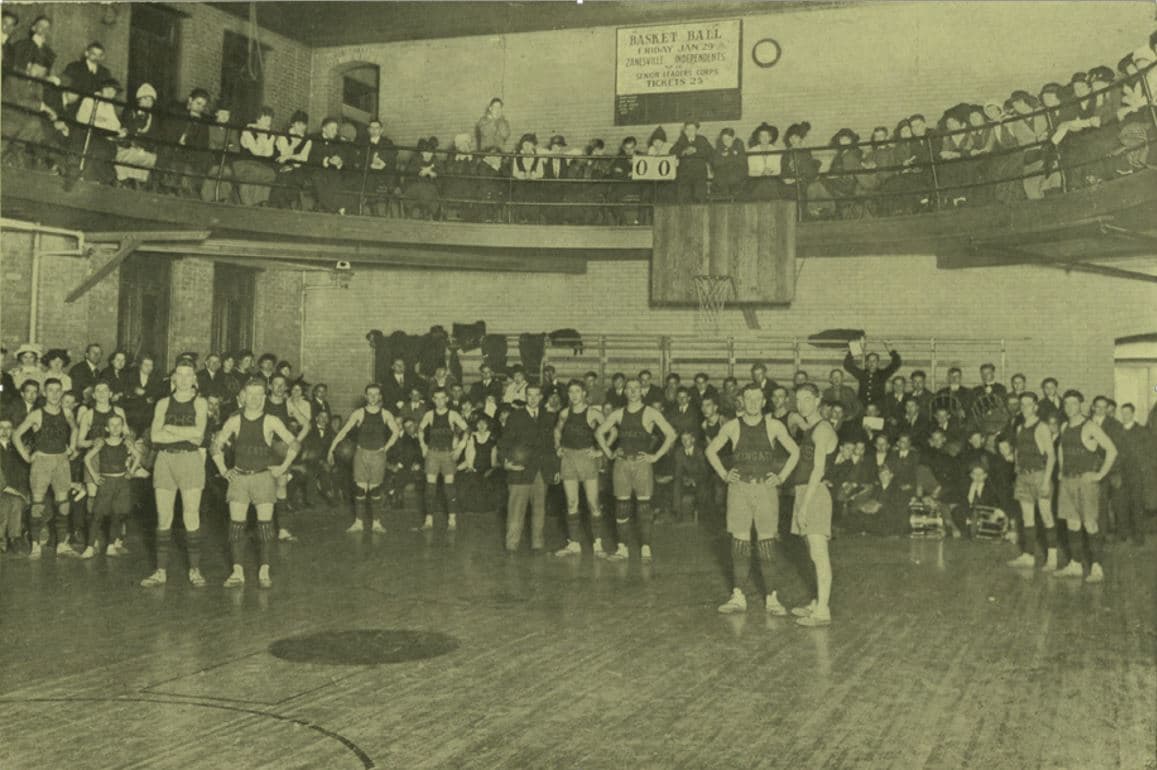
Winning one sectional title is hard. Winning three in a decade, at a school where the senior class has 40 kids and the weight room doubles as a storage closet, requires something more deliberate than talent alone. Across Indiana, a handful of small-school programs have quietly cracked the code on sustained competitiveness, and the blueprint they follow circles back to the same three pillars every time: a culture built to outlast any single player, a recruitment and retention approach that works within community and academic guardrails, and a development system that turns undersized freshmen into college prospects.
This is how they do it.
Building a Culture That Coaches Can't Buy
Culture is the word every coach uses and the thing almost no one defines precisely enough to replicate. In small-school Indiana basketball, culture has a very specific meaning: it is the set of expectations, rituals, and relationships that persist even when the best player graduates and the next three on the roster are sophomores who weren't ready.
The programs that sustain success treat culture as structural, not motivational. That means written standards for practice behavior, clear consequences that apply to the star point guard the same way they apply to the last man on the bench, and off-season commitments that are expected rather than optional. When a program codifies those standards early, new players absorb them from returning players rather than from a coach's preseason speech. The culture becomes self-replicating.
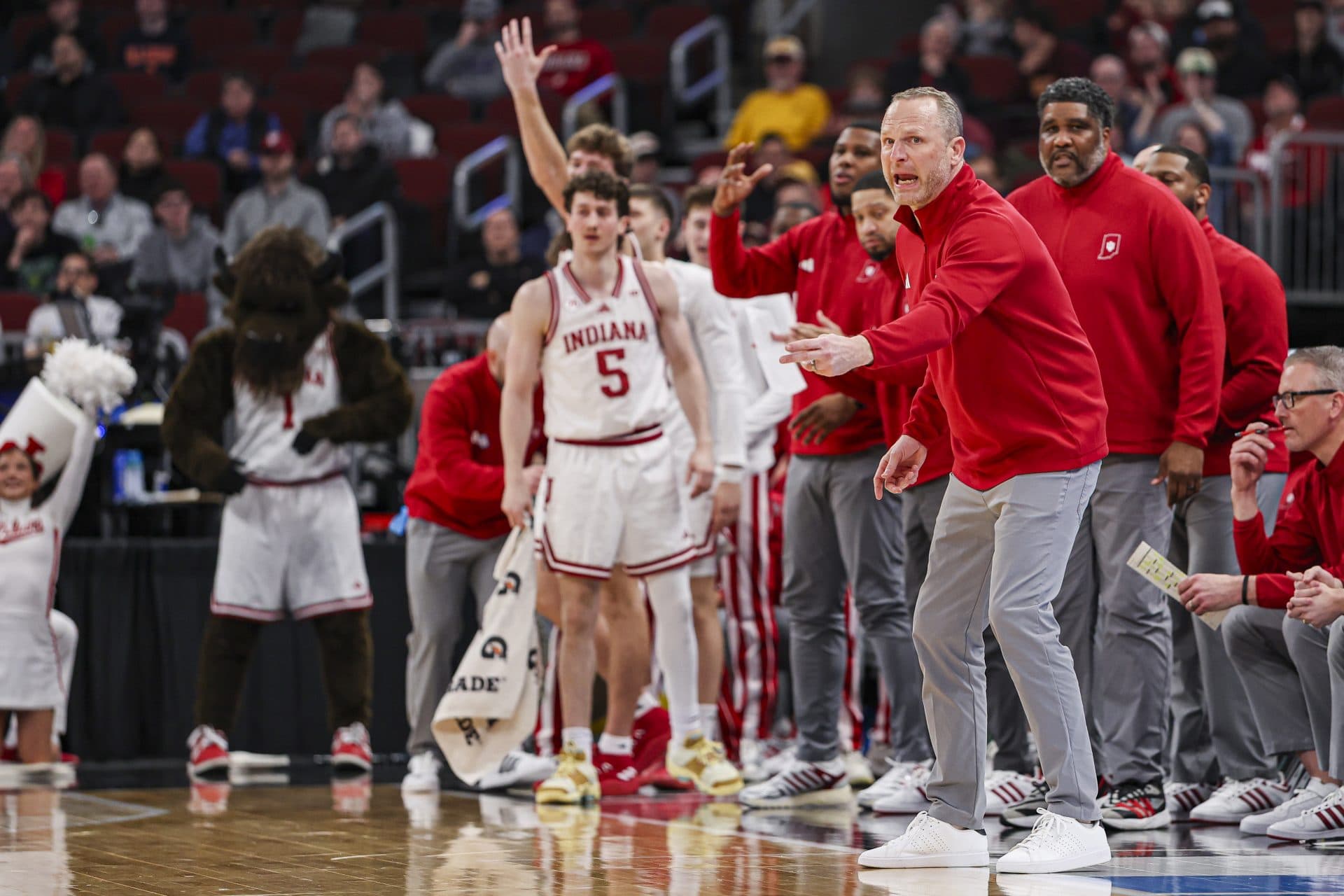
Coaching stability is the load-bearing wall underneath all of it. Small schools in Indiana often struggle to retain quality coaches because salaries are modest and visibility is limited. Programs that have solved this problem typically do so by making the head coach feel genuinely connected to the community, not just employed by the school. Booster involvement, administrative support during difficult stretches, and a clear understanding of the program's long-term vision all make the difference between a coach who leaves after three years for a bigger school and one who builds a 15-year legacy.
When a coach stays long enough, the program stops being defined by any individual player and starts being defined by the system. That shift is the exact moment when a small school crosses from "occasionally competitive" to "annually dangerous."
Recruitment and Retention Within the Rules
Indiana's recruiting landscape for high school basketball is governed by IHSAA transfer and residency rules, and small schools face a specific tension: they cannot recruit their way to a roster the way a university can, but they also cannot afford to lose their best young players to larger programs chasing more exposure.
The most effective approach is not to recruit in the traditional sense at all. It is to make staying the obvious choice.
That starts at the youth level. Programs that invest in feeder systems, whether through direct involvement with local AAU clubs, middle school coaching relationships, or summer camps that bring incoming sixth graders onto the high school floor, develop loyalty before any recruiting conversation ever happens. A kid who has been shooting in the same gym since age 11, who knows the high school coach by name, and whose parents have watched the varsity team for years, is not a flight risk when a school across the county comes calling.
Academic support matters more than most coaches publicly acknowledge. Small Indiana schools often lack the tutoring infrastructure of larger districts, but programs that proactively connect players with study resources, monitor grades before eligibility becomes a crisis, and advocate for players in the classroom build a different kind of loyalty. A player who knows the coaching staff cares about his future beyond basketball is harder to pry away with the promise of more Instagram followers.
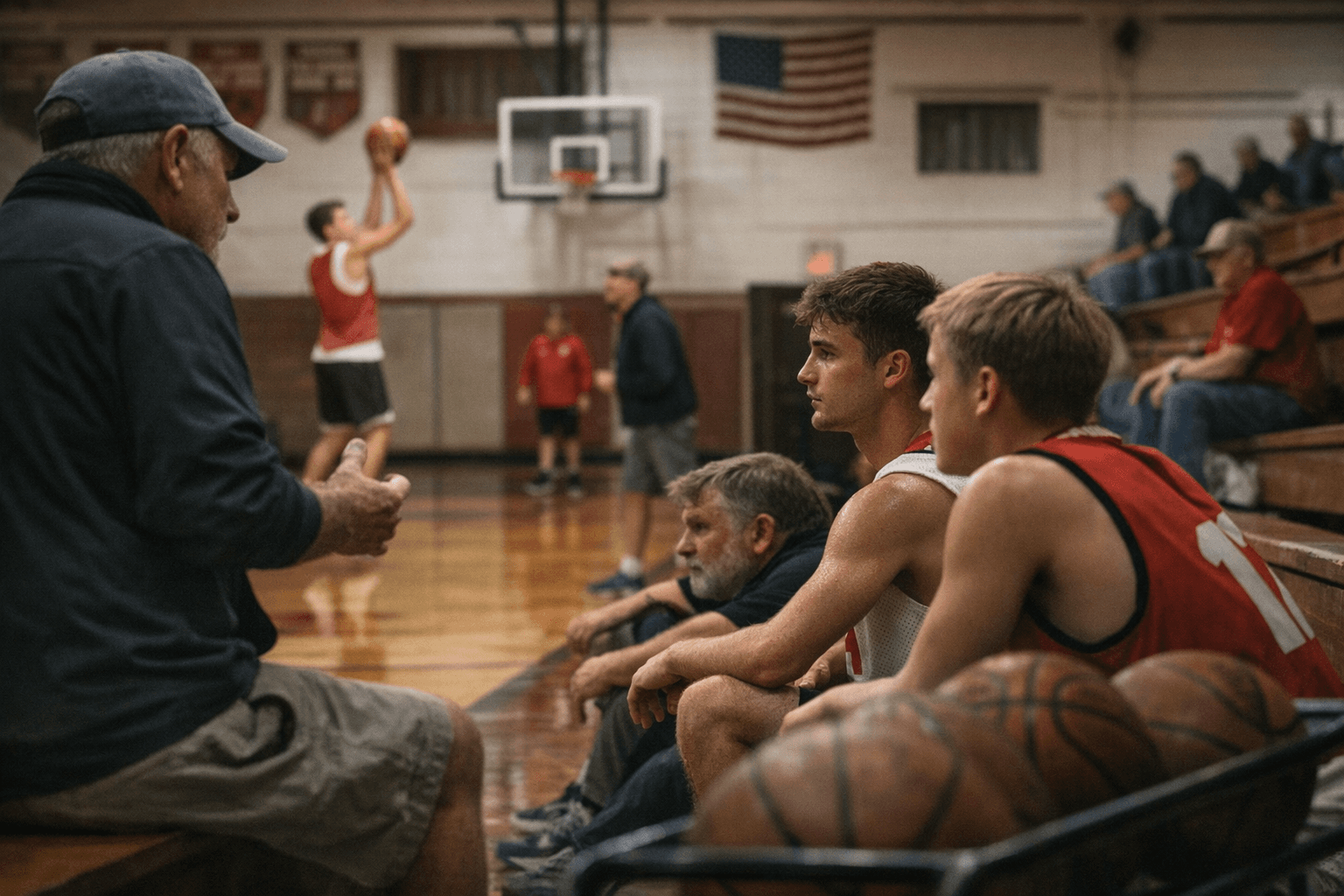
Retention also means managing playing time expectations honestly. One of the most common reasons talented players transfer from small schools is a misalignment between what the player believes his role will be and what the coach actually envisions. Direct, early conversations about development timelines and role expectations prevent the kind of quiet frustration that eventually becomes a transfer request.
Player Development as a Program-Wide System
Individual player development is where small schools can genuinely compete with larger programs, because development is about quality of instruction and repetition, not the size of the facility or the depth of the roster.
The programs that develop players most effectively treat development as a year-round, position-specific curriculum rather than a collection of drills that happen before practice. That means every player in the program, from the JV reserve to the varsity starter, is working on a defined set of skills tied to their position and their current level. Progress is tracked. Weaknesses are addressed directly rather than papered over with favorable matchups.
Skill work in the off-season is non-negotiable for programs at this level. Summer open gyms, individual workout sessions between player and coach, and organized weight training create the physical and technical foundation that makes in-season development possible. A small school that waits until October to start developing its players is already three months behind every program that didn't.
Film study is an underutilized tool at the small-school level. Many programs at larger Indiana schools run organized film sessions as a standard part of their weekly routine. Small schools that adopt the same practice, even informally, give their players a significant edge in understanding defensive rotations, reading screens, and recognizing opponent tendencies. The technology barrier is essentially gone; a coach with a tablet and a free afternoon can run a film session that teaches as much as any practice drill.
Position-specific development also means honest conversations about role. Not every player at a small school will be a ball-handler or a primary scorer. Programs that develop versatile players who embrace multiple roles, defending multiple positions, setting screens that actually spring teammates, making the right pass rather than the highlight pass, win close games against more talented rosters because their depth of understanding exceeds their depth of talent.
The Long View
What separates Indiana's most respected small-school programs from the ones that cycle through good years and bad years is not a single great recruiting class or a generational talent who lifted everyone. It is the compounding effect of doing the foundational work consistently over many years.
Culture built in year one is tested in year three when the wins are harder. Recruitment relationships started with a sixth grader pay off in year seven when that player is a senior captain. Development work done in November of a player's freshman year shows up in March of his senior year when the sectional is on the line.
Small-school Indiana basketball operates in a world of genuine constraints: limited budgets, small rosters, modest facilities, and the constant pressure of community scrutiny in towns where Friday night games are still the center of social life. The programs that thrive inside those constraints do so because they stopped looking for shortcuts and started building systems. The results, measured in sectional banners and the kind of community pride that outlasts any single season, speak for themselves.
This article was produced by Prism’s automated news system from verified source data, official records, and press releases, then run through automated quality and moderation checks before publishing. The system is built and supervised by the people who set the standards it runs under. Read our full AI policy.
Did this article answer your question?