2025 EHV-1 Outbreak Exposes Biosecurity Gaps, Sparks Push for Better Detection Tech
A Texas barrel racing event in November 2025 became ground zero for an EHV-1 outbreak that canceled competitions across disciplines and exposed critical biosecurity failures industry-wide.
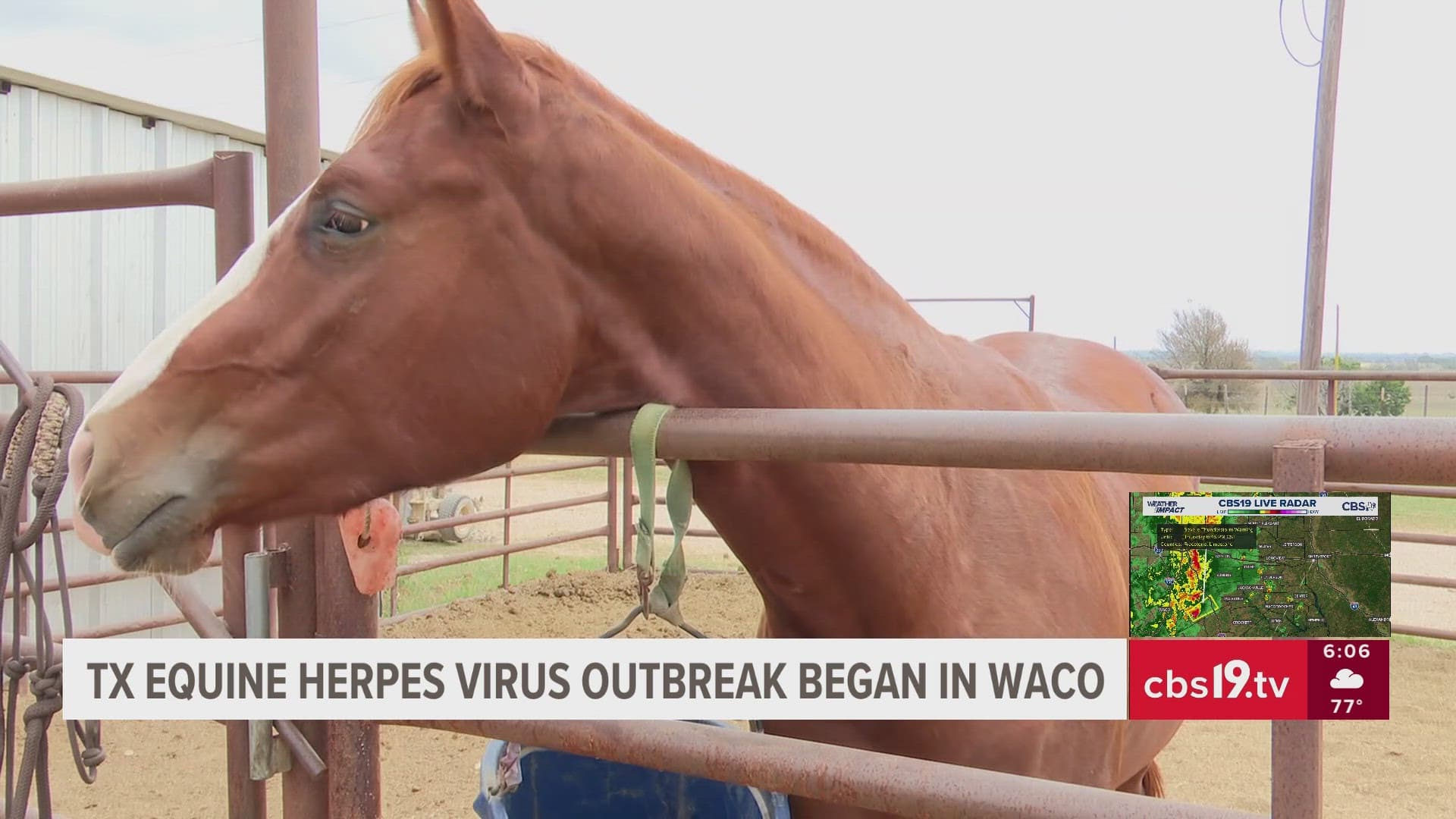
When equine herpesvirus-1 swept through a Texas barrel racing event in November 2025, the damage traveled far beyond the horses that first tested positive. Events were canceled across disciplines, horses were quarantined, and what began as a single biosecurity breach compressed into a cautionary lesson about how quickly one competition venue can unravel an entire season.
The outbreak's most concrete flashpoint came at the Barrel Futurities of America Championship in Oklahoma, where two horses diagnosed with equine herpesvirus myeloencephalopathy, the neurological form of the disease known as EHM, forced organizers to cancel the event outright. Officials responded by urging isolation, temperature checks, and tightened biosecurity across the board.
Now, with horse travel and competition schedules accelerating into 2026, equine health experts are pressing organizers and owners to treat last year's disruptions as a blueprint for what not to repeat. An industry-focused review published March 13, 2026 examined the outbreak in detail, highlighting biosecurity gaps, the importance of early fever detection, and the potential for new technologies to prevent future widespread shutdowns.
The science behind early detection makes the urgency clear. With EHV-1, fever typically appears before nasal shedding begins. "This makes early detection both possible and critical," according to expert guidance published by EquiManagement on March 11, 2026. "As soon as fever is noted, an affected horse can be isolated before it begins shedding virus, shrinking the circle of exposure. It's a narrow window of time, but one that's actionable."
Flynn, cited in the EquiManagement review, recommends that event organizers designate isolation areas before competitions begin and establish mandatory reporting protocols requiring a veterinarian to be notified at the first sign of fever or clinical illness. On the participant side, horse owners should ensure vaccination status is current before arrival, guided by vaccination guidelines from the American Association of Equine Practitioners, applicable organization and show rules, and their own veterinarians. Organizers should also require recent health certificates and proof of EHV-1 and influenza vaccination within the previous six months for all participating horses.
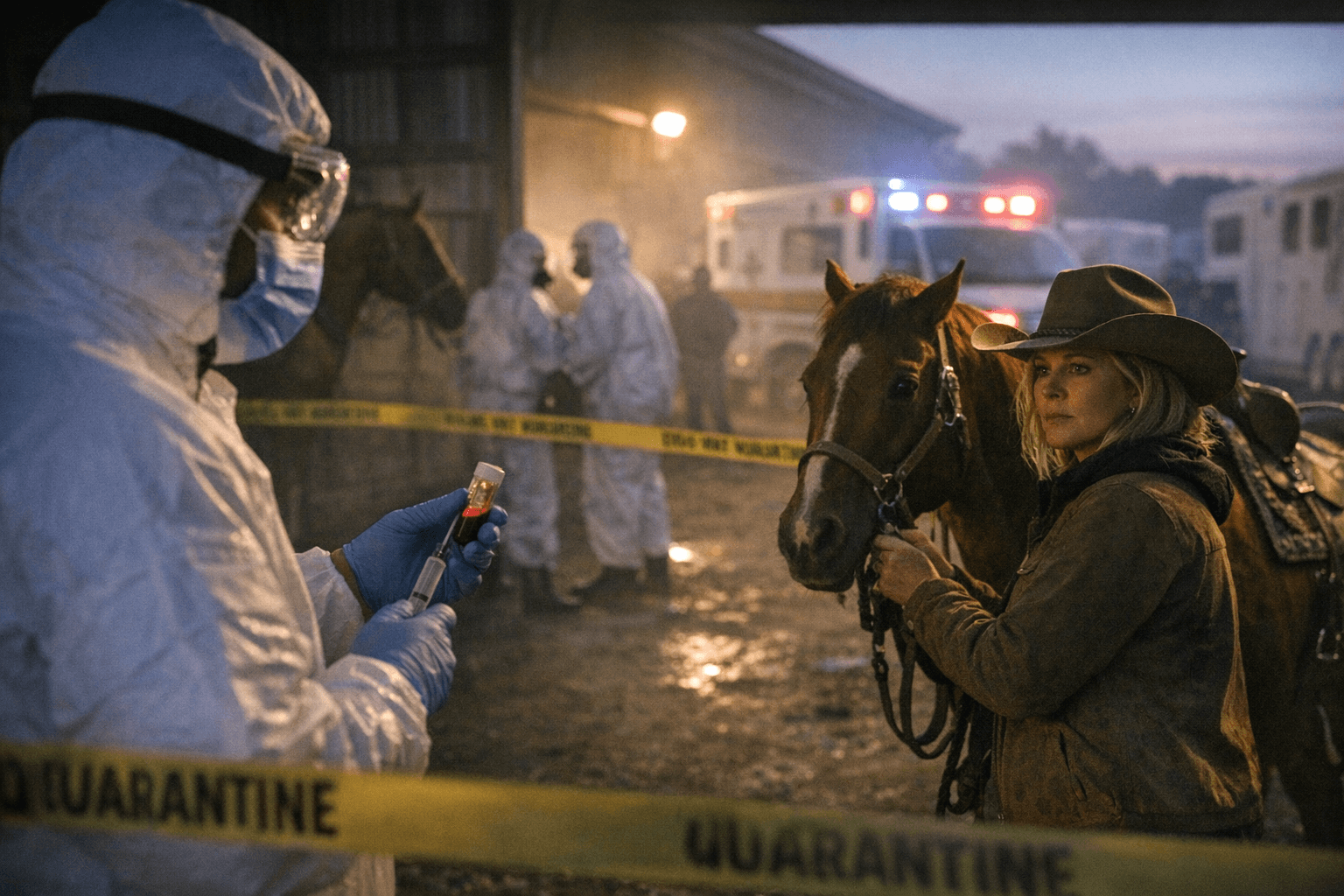
Testing horses that show no symptoms at all adds another layer of protection. Testing asymptomatic horses at equestrian events has been characterized as crucial for early detection and preventing potential outbreaks, a standard that few competitions currently enforce with consistency.
The structural problem, as the EquiManagement analysis framed it in what it labeled Lesson 4, is that events function as vulnerable ecosystems. Large gatherings of horses from different farms and regions, sharing close quarters and water sources, create transmission conditions that routine farm biosecurity simply does not address. Rigorous implementation at the event level, not just at home, is what the 2025 outbreak exposed as the missing link.
Researchers are also probing why the virus produces such different clinical outcomes. Some horses develop respiratory EHV-1 while others progress to EHM, the far more severe neurological syndrome. One researcher noted that differing and possibly delayed immune responses could explain the variation and offer potential for redirecting viral effects, a line of inquiry that carries implications for both treatment and targeted prevention.
The March 13 industry review flagged new technologies as a promising frontier for stopping future outbreaks earlier, though no specific tools or vendors were named in the available analysis. What the 2025 season made undeniable is that the existing framework, relying on visible symptoms and after-the-fact reporting, gave the virus too much runway before anyone acted.
This article was produced by Prism’s automated news system from verified source data, official records, and press releases, then run through automated quality and moderation checks before publishing. The system is built and supervised by the people who set the standards it runs under. Read our full AI policy.
Did this article answer your question?