41 Attorneys General Urge Xylazine Controls, Protecting Legitimate Equine Uses
41 AGs led by NY's Letitia James pushed Congress to federally schedule xylazine while shielding equine vets from the crackdown.

Forty-one state attorneys general, in a coordinated bipartisan push, sent a formal letter to congressional leadership on March 31 urging swift passage of the Combating Illicit Xylazine Act, a federal bill that would bring the veterinary sedative xylazine under controlled-substance scheduling for the first time. The coalition, formalized through the National Association of Attorneys General, was co-led by New York Attorney General Letitia James, with supporting statements from offices in California, Arkansas, Oklahoma, and dozens of other states.
The drug at the center of the debate, known on the street as "tranq," is a legitimate large-animal tranquilizer with decades of use in equine medicine. Its illicit version, diverted into the fentanyl supply chain, has become a compounding crisis: xylazine is resistant to naloxone (Narcan), meaning overdoses involving the combination of xylazine and fentanyl carry a higher lethality risk than fentanyl alone. The coalition's letter cited those public-health stakes as the core rationale for federal scheduling, which would give the DEA authority to track supply chains, prosecute trafficking, and direct grants and data mechanisms to states.
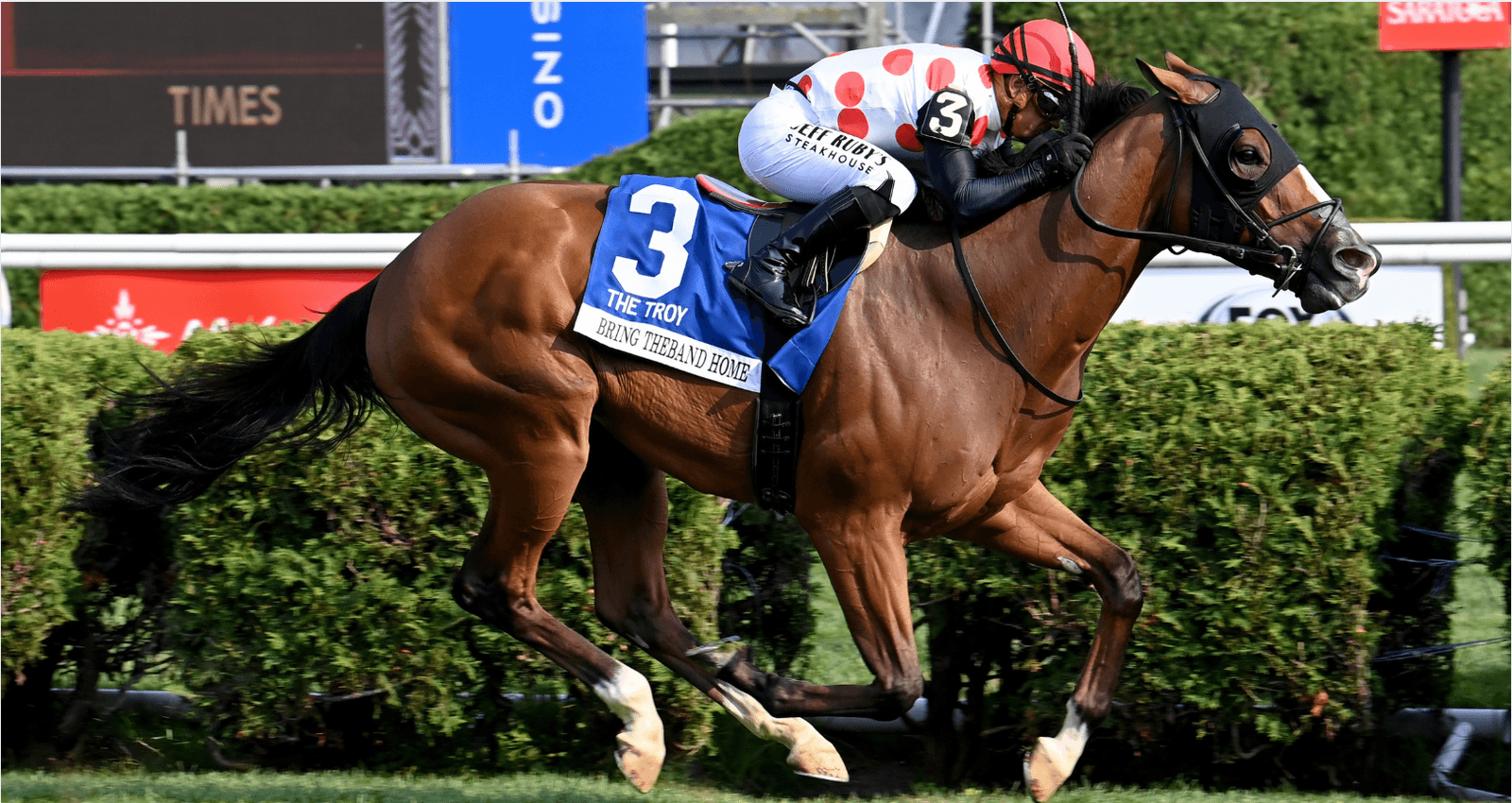
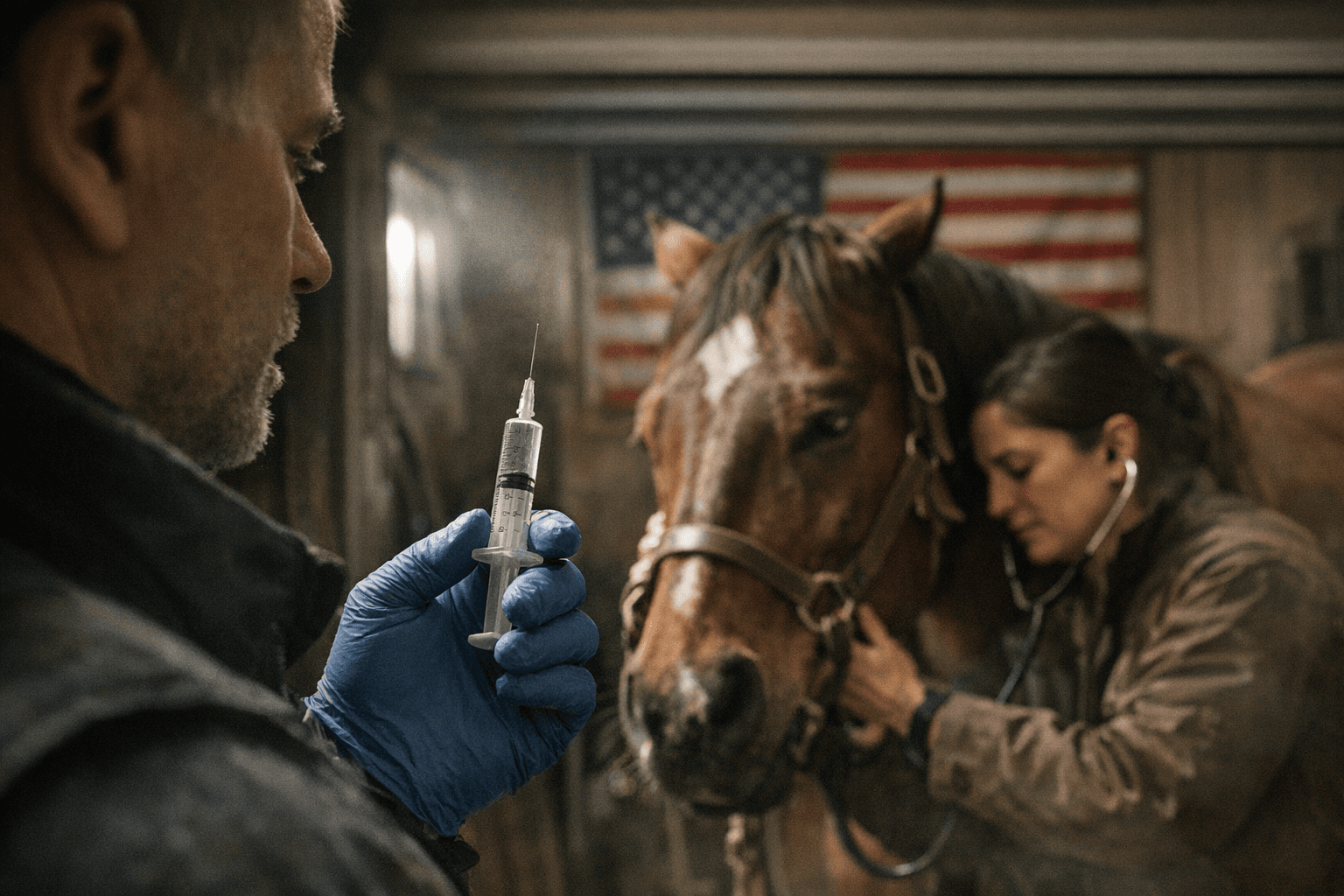
For the racing industry, the policy debate carries a sharper edge than it might seem. Xylazine is a standard tool in large-animal veterinary practice, used routinely in the management and care of racehorses. Federal controlled-substance classification would tighten every link in the drug's chain of custody: record-keeping requirements, supply procurement, and the protocols governing how trackside veterinarians access and administer it. Racing regulators, who already operate under some of the most stringent medication-testing frameworks in American sport, would gain a clearer legal basis for testing and prosecuting illicit uses of the drug in equine contexts. The tradeoff is the administrative burden that controlled-substance compliance imposes on licensed practitioners.
The NAAG letter directly addressed that tension, noting coordination with veterinary organizations and law-enforcement partners to ensure the bill preserves lawful veterinary access through permitted channels while targeting criminal diversion. James and the coalition framed the legislation as narrowly scoped: the goal is scheduling illicit, non-medical diversion, not restricting the drug's use in clinical or agricultural settings.
The legislative path forward is not guaranteed. The Senate Judiciary Committee has already advanced related provisions, and companion measures have drawn supportive hearings on the House side, giving the bill more momentum than most drug-scheduling proposals at a similar stage. The 41-state footprint of the coalition, spanning both parties, signals that congressional leadership will face coordinated pressure from both sides of the aisle.
For trainers, veterinarians, and racetrack medical directors, the near-term question is not whether xylazine will be scheduled, but how quickly those changes arrive and how implementing regulations define "permitted channels" for animal care. If the bill passes in its current form, the racing industry's already complex medication-compliance infrastructure will need to incorporate new DEA-level record-keeping, updated testing protocols where technically feasible, and potential interagency reporting obligations. How tightly those lines are drawn will determine whether the law tightens safety on the backside or creates a supply squeeze for a drug that legitimate equine medicine depends on every day.
This article was produced by Prism’s automated news system from verified source data, official records, and press releases, then run through automated quality and moderation checks before publishing. The system is built and supervised by the people who set the standards it runs under. Read our full AI policy.
Did this article answer your question?