Al Riffa faces stern staying test in Prix Vicomtesse Vigier at ParisLongchamp
Al Riffa tops the ratings, but ParisLongchamp’s 3,100-metre test may expose the true stayers. Fairy Glen and Caballo de Mar give this Group 1 real depth.

A Group 1 that finally asks the right question
The 7:50 Group 1 at ParisLongchamp carries more weight than a standard midweek feature because it is built around a proper staying test, not a speed exercise in disguise. Al Riffa heads the official ratings for the May 21 Prix Vicomtesse Vigier, but the race is set up to expose whether his class can travel through 3,100 metres of tactical pressure and late stamina demands.
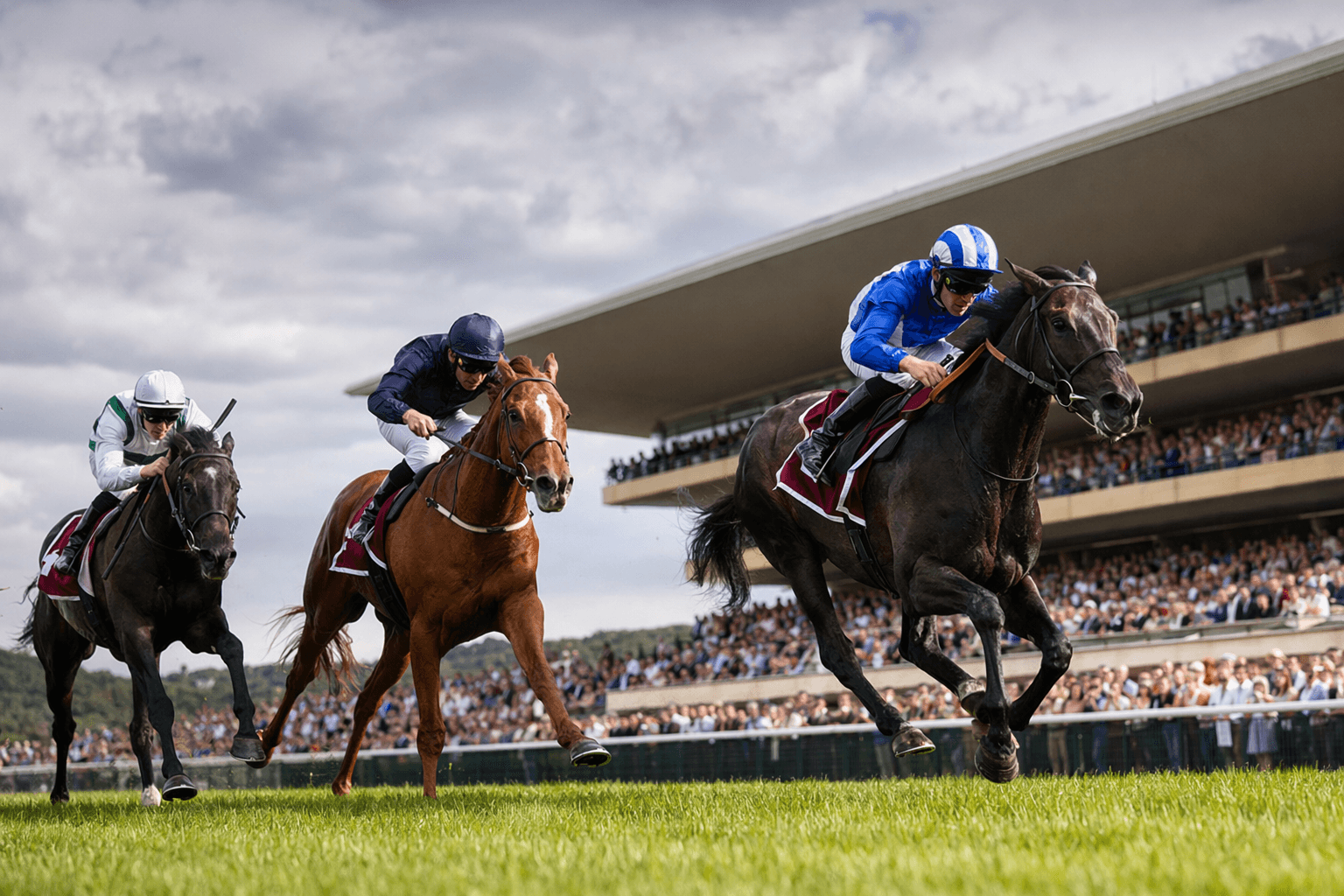
That is exactly why this renewal matters. The race offers €400,000 in prize money, with €251,999 to the winner, and the richer purse has helped attract a field with six top-level winners. Four runners are coming from Britain and one from Ireland, which underlines how far the race has come as an international reference point in the staying division.
From historic staying contest to modern Group 1
The Prix Vicomtesse Vigier dates back to 1859 and was originally named after the Viscountess Vigier, so it arrives at this modern stage with real historical weight. It was part of the Arc-period staying pattern before moving to May in 1991, and that shift has given Longchamp a spring anchor for horses whose season is built around stamina rather than pure pace.
The race was upgraded to Group 1 status in 2025, making the 2026 running only its second edition at the top level. That upgrade already looks justified: the 2025 renewal was won by Candelari in soft going in 3m 19.09s, a reminder that this is a serious examination of endurance. Vazirabad remains the race’s most successful winner with three victories, while Kite Wood, in 2010, was the last non-French winner before the recent era of domestic strength.
Why Al Riffa is the class horse, but not yet the proven stayer
Al Riffa comes in as the name at the top of the ratings, and his presence gives the race a headline horse with international appeal. He is also the type of runner who could still move higher if this race unlocks the next step in his progression toward the Ascot Gold Cup, where stamina and class have to meet in equal measure.
But this is where the race becomes interesting. Being the best horse on paper is one thing; surviving a specialist staying test is another, especially over a trip that sits in that awkward and revealing window just shy of two miles. Al Riffa has to answer a proper distance question here, and if the tempo turns tactical, he will need both patience and a sharp enough turn of foot to settle the debate.
The established stayers with the strongest claims
Fairy Glen and Caballo de Mar are the pair most likely to make this a genuine examination rather than a procession. Bloodlines and reputation matter in staying races, but so does form that has already been stress-tested over a long trip, and Fairy Glen and Caballo de Mar bring exactly that kind of evidence into Longchamp.
Their 1-2 finish in the Dubai Gold Cup at Meydan on World Cup night gives the race immediate international relevance. That form is not a local illusion or a one-race domestic pattern; it is a proven staying line from one of the sport’s biggest stages, and it makes them serious benchmarks for anyone trying to claim hierarchy in this division.
Caballo de Mar brings an extra layer because he has already won the Prix du Cadran over 2 1/2 miles at ParisLongchamp last October. That kind of soft-ground staying credential can matter a great deal if the going changes, and it is one reason this race feels like a proper puzzle rather than a formality. George Scott’s camp has also signalled that there is more to come, with the horse seen as capable of stepping forward again after a solid recent run.
The other contenders who keep the market honest
Consent adds a different kind of intrigue. She steps up from the Prix de Royallieu over 1 3/4 miles, so the question is not whether she has quality, but whether her stamina can stretch far enough against hardened stayers. Sir Mark Prescott’s view of the mathematics around her is encouraging enough to keep her in the live place conversation, and in a race of this depth, that kind of respect matters.
Arrow Eagle also arrives with a genuine staying résumé after winning the Prix Royal Oak. That is the sort of credential that makes a horse dangerous in a Longchamp test, because he has already shown he can handle a searching trip and still find a way to finish strongly. Asmarani and Double Major add further depth, and their newer form helps turn the race from a two-horse debate into a broader examination of the European staying hierarchy.
Ground, tempo and the Longchamp problem
The surface could be decisive. The 2025 edition was run on soft ground, and Caballo de Mar’s record on deeper going makes him especially interesting if the weather adds extra stamina demands. Longchamp staying races rarely reward a simple speed horse, and a long, tactical crawl can expose the difference between a horse that stays and a horse that merely lasts.
That is why this race is so valuable for bettors and horsemen alike. The question is not just who can get the trip, but who can do it after a race shape that may leave little room for error in the final furlongs. In a division where the margins are often hidden until the very last stage, Al Riffa’s class is a major factor, but the proven stayers have the stronger evidence.
Why this race matters beyond one afternoon
The broader significance is that the Prix Vicomtesse Vigier has become a real check-point for the staying division rather than a decorative Group 1. Its mix of history, prize money, and international participation gives it business importance for trainers, owners and breeders who need stamina horses to remain valuable in a market that often leans toward speed.
It also says something cultural about the sport. In an era that can be dominated by sprinting and mile races, Longchamp is still giving a stage to horses that need time, rhythm and endurance to show their best. If Al Riffa can translate his class into this specialist test, he will strengthen a serious Ascot Gold Cup case; if he cannot, the race will have done exactly what a top staying contest should do, which is sort the contenders from the talented horses still asking questions.
Know something we missed? Have a correction or additional information?
Submit a Tip