Appellate Court Vacates Pletcher Suspension, Orders Rehearing on Fairness Concerns
A New York appellate court unanimously vacated Todd Pletcher's 14-day suspension, ruling the gaming commission's lab letters had "no scientific foundation or probative value."
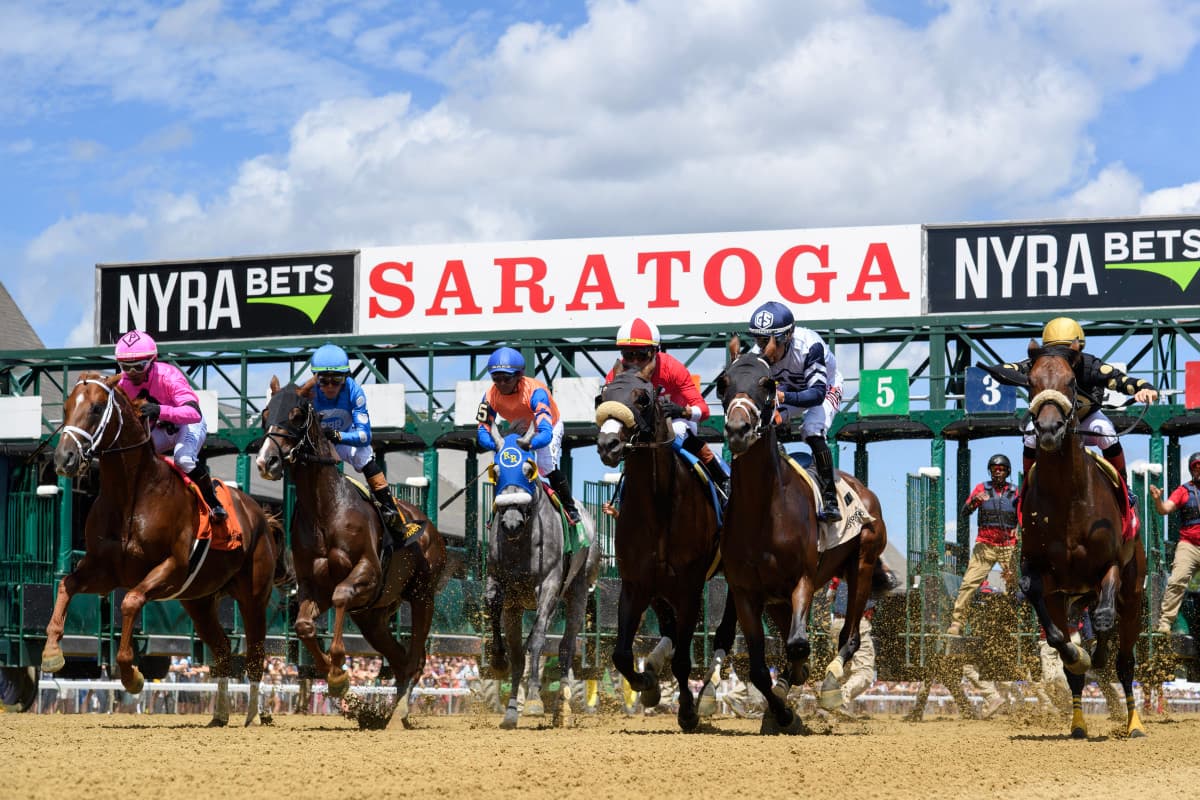
A unanimous New York appellate court threw out Hall of Fame trainer Todd Pletcher's 14-day suspension and $2,000 fine on March 12, ruling that the New York State Gaming Commission built its case on laboratory letters that "lacked any scientific foundation or probative value" and never put a single qualified witness on the stand to defend them.
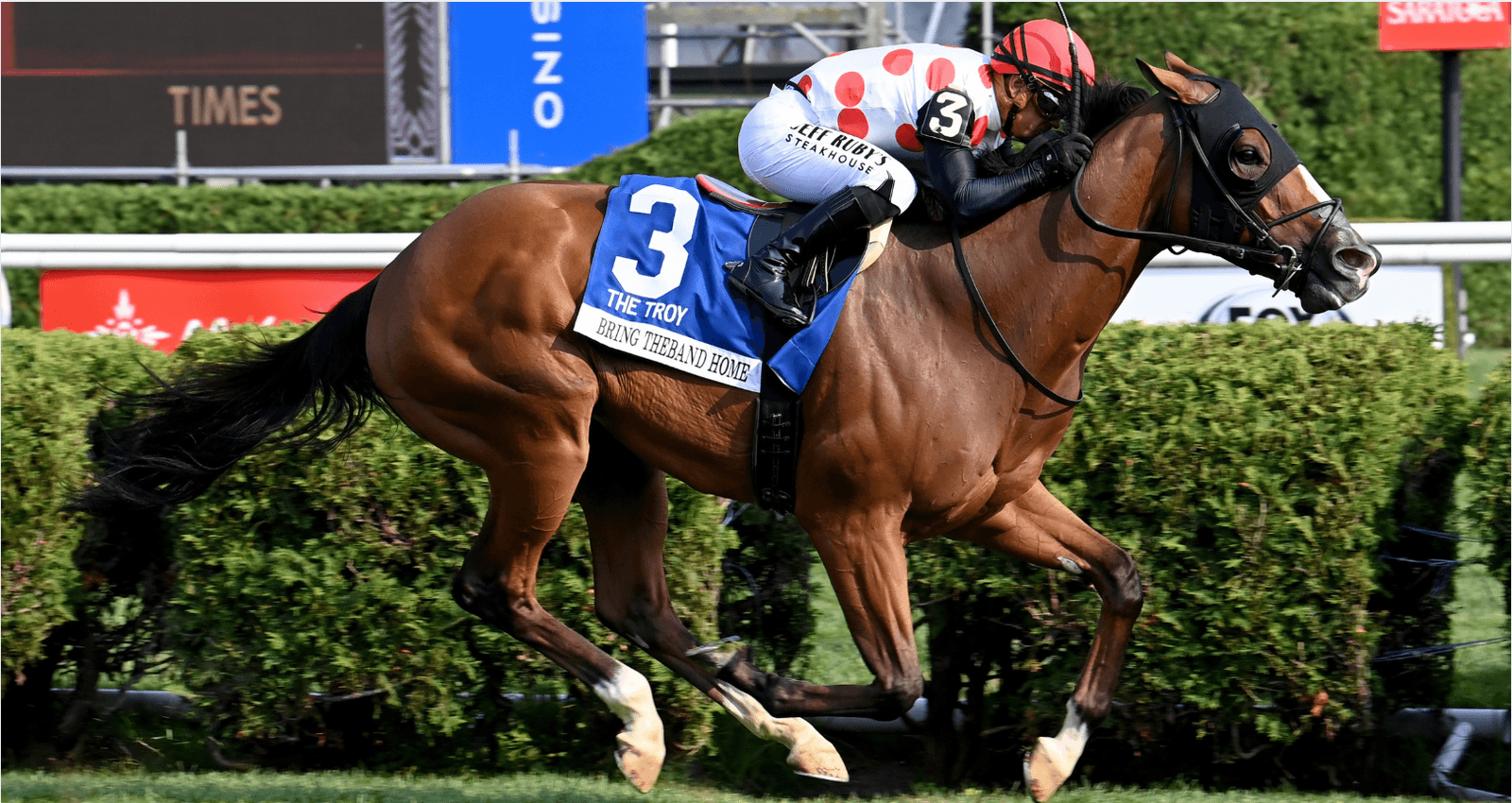
The case traces back to July 30, 2022, when Pletcher's horse Capensis, a Tapit offspring, finished sixth in an allowance race at Saratoga. Postrace testing at the New York State Drug Testing and Research Program returned a bute concentration of 1.56 micrograms per milliliter in plasma. A split sample sent to the Kenneth L. Maddy Equine Analytical Chemistry Laboratory in California confirmed bute at 1.8 mcg/ml. New York's legal threshold at the time was 0.3 mcg/ml, meaning both results cleared that bar by a wide margin. A state steward issued the suspension and fine, a hearing officer affirmed the penalty, and the NYSGC upheld it.
Pletcher and attorney Drew Mollica escalated the fight by filing an Article 78 petition in New York State Supreme Court. Their central argument: the Commission never actually proved the tests were reliable. The Appellate Division, Third Judicial Department, agreed entirely.
The court found "concerns regarding the fundamental fairness" of the original hearing and characterized the Commission's evidence as "hearsay proof." In the clearest language of the ruling, the panel stated that the NYSGC "failed to introduce competent evidence establishing the reliability of the testing that was conducted on the postrace samples that purportedly demonstrated the presence and concentration of bute." The letters from both laboratories, the court concluded, were "the sole proof relied upon by the Commission" and they carried no scientific foundation.
The evidentiary failure was structural. Both lab reports were introduced at the hearing not by anyone from either laboratory, but through testimony from NYSGC equine medical director Scott Palmer. No lab analyst, no testing methodologist, no scientist with direct knowledge of the procedures ever appeared to vouch for the results or explain why the testing methodology should be accepted as reliable. The court noted that neither report "was supported by testimony from anyone who could vouch for the accuracy of the findings or the reliability and general acceptance of the tests in the scientific community."
There is a procedural wrinkle worth noting. The appellate opinion pointed out that a hearsay objection to the lab letters was not preserved at the administrative level; the objection was not raised until after the suspension order had already been entered, which is when Pletcher retained counsel. That procedural gap did not prevent the court from acting on fundamental fairness grounds, but it will almost certainly shape how the remanded hearing unfolds.
The Appellate Division vacated both the suspension and the fine and sent the case back to the NYSGC for a new hearing. No rehearing date has been announced. The Commission now faces the task of rebuilding its evidentiary presentation in a way the court will accept, which almost certainly means producing live, qualified testimony from lab personnel who can establish the scientific foundation for the concentration results. Whether the NYSGC can meet that standard at a second hearing remains the central question hanging over one of thoroughbred racing's most prominent trainers.
This article was produced by Prism’s automated news system from verified source data, official records, and press releases, then run through automated quality and moderation checks before publishing. The system is built and supervised by the people who set the standards it runs under. Read our full AI policy.
Did this article answer your question?