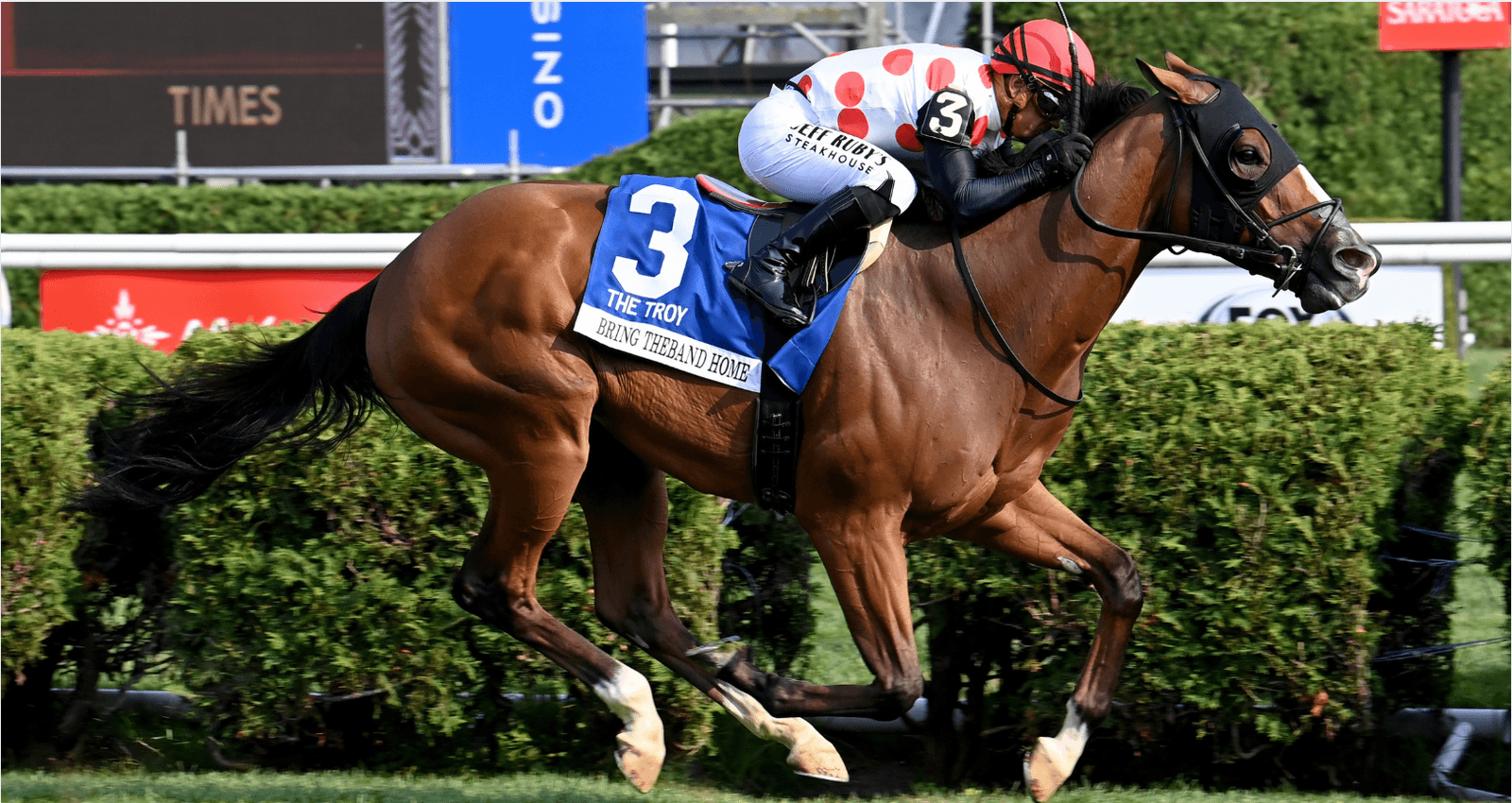
Army Agrees to Buy Middleburg Training Center, Virginia Racing Faces Loss
The Army’s move on Middleburg could pull one of Virginia racing’s key training hubs out of the Thoroughbred pipeline, with ripple effects for horsemen, owners and the local circuit.
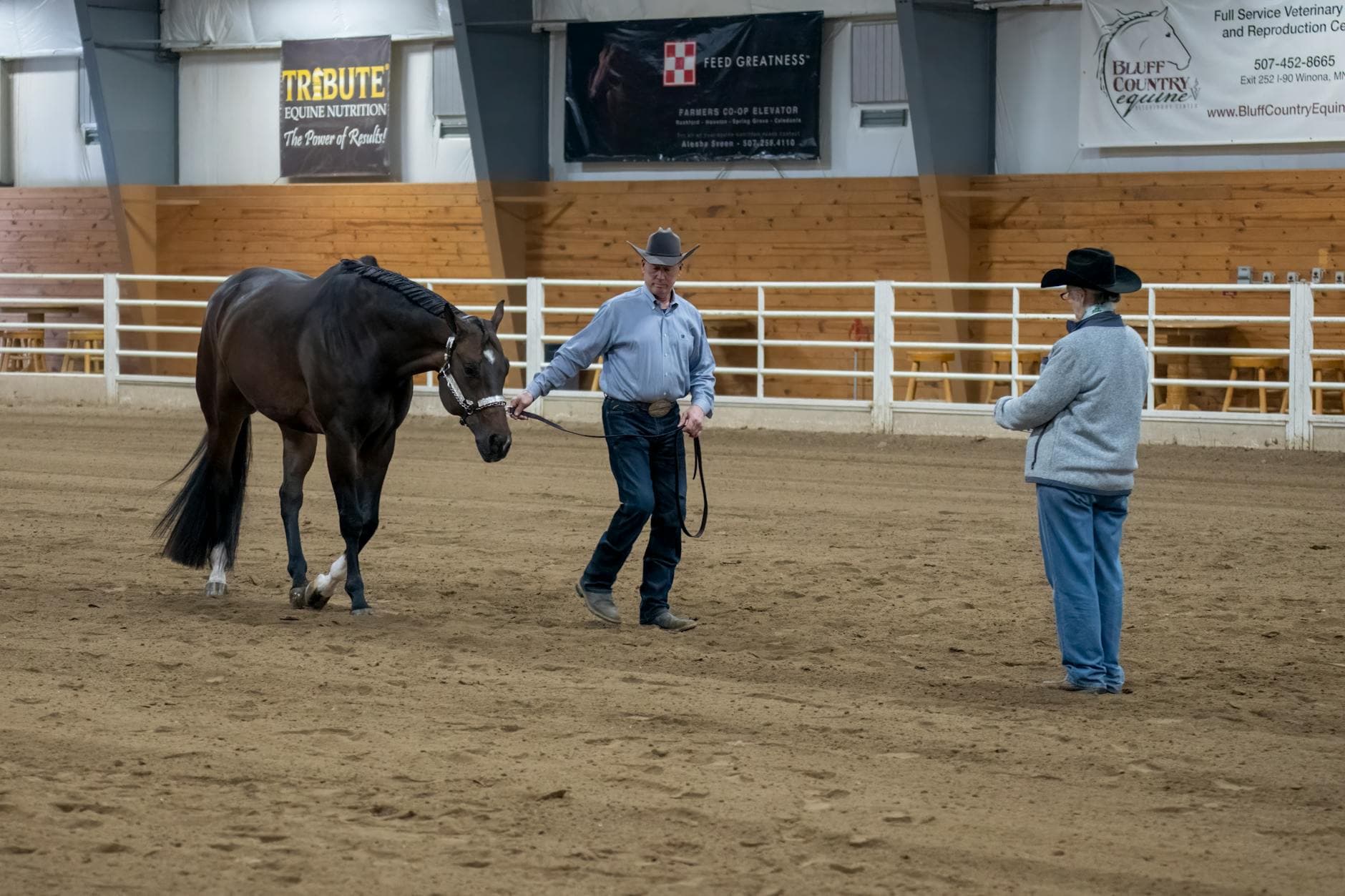
Virginia’s Thoroughbred pipeline took a direct hit when the U.S. Army reached an agreement to buy the Middleburg Training Center, a 149-acre base that has long housed more than 200 horses and helped send Virginia-bred talent toward race days across the region. For trainers, owners and breeders, the immediate concern is simple: if Middleburg leaves the market, where does the next crop of horses in Northern Virginia go?
The facility’s scale explains why the reaction has been so sharp. Built in 1956 by Paul Mellon, Middleburg later passed to a group of 11 local trainers and owners led by Paul Fout and Lewis Wiley, then to Randolph D. “Randy” Rouse in 2006, who later donated it to the Thoroughbred Retirement Foundation. The TRF sold it to Chuck Kuhn in 2017. Kuhn, the founder of JK Moving Services, invested in restoration and upgrades at a property that includes 11 barns, about 220 stalls, 22 paddocks and a 7/8-mile race track. Middleburg’s own history makes it one of the few regulation-track facilities in Northern Virginia capable of housing more than 200 horses in training.
That role has gone well beyond tradition. Virginia horsemen have long called Middleburg a linchpin of the state’s Thoroughbred industry, and one report said that since 2018 more than 15% of the horses enrolled in the Virginia Certified program received early training there. NBC Washington reported that hundreds of racing and steeplechase horses trained at the center, including at least one of this year’s Kentucky Derby favorites. Lose that kind of feeder system, and the state risks losing not just stalls and barn space, but the daily work that helps form future starters.
The Army says the purchase is intended to support the Caisson Detachment of the 3rd U.S. Infantry Regiment, known as The Old Guard, and its 100-horse herd. Army environmental materials say Congress directed the service in the 2024 NDAA to study better stabling, pasture and training space, after 2022 horse deaths and health problems, including parasites and sand colic, exposed problems in the crowded and unsanitary setup at Joint Base Myer-Henderson Hall. The final environmental assessment was released in January 2026.
The Virginia Equine Alliance could not reach a deal to buy the property itself, leaving horsemen to look for compromise where they can find it. State Sen. Russet Perry has urged good-faith discussions about shared use, but the racing side remains uneasy. If Middleburg is removed from the Thoroughbred ecosystem, Virginia could lose one of its most important training grounds and a key link in the path from early prep work to the next race day.
This article was produced by Prism’s automated news system from verified source data, official records, and press releases, then run through automated quality and moderation checks before publishing. The system is built and supervised by the people who set the standards it runs under. Read our full AI policy.
Did this article answer your question?