Ascot to quit Racecourse Association, major British tracks may follow
Ascot’s exit threat put British racing’s power structure on notice, with the Jockey Club also weighing a break if governance changes fail to land.
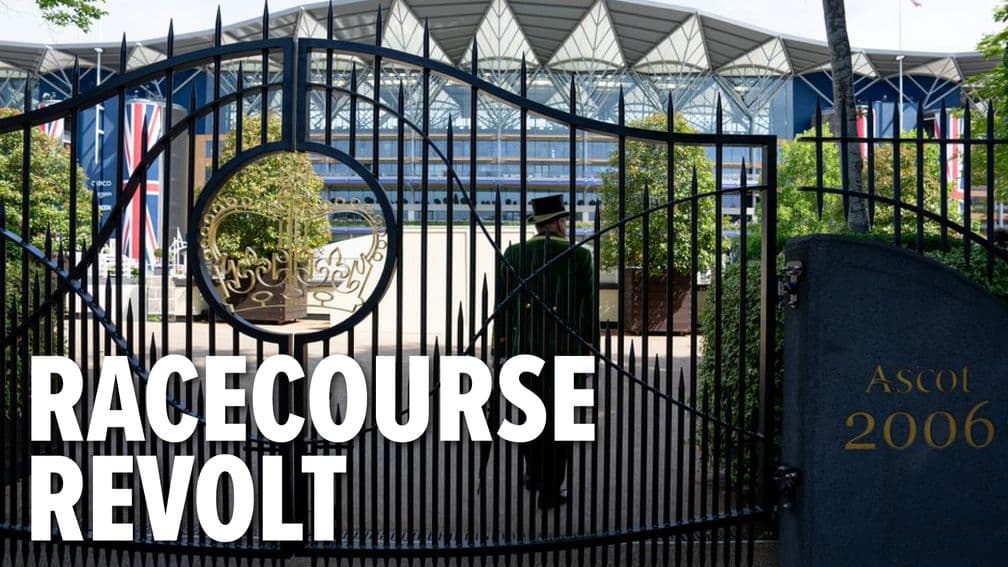
Ascot’s decision to leave the Racecourse Association at the end of the year turned a simmering governance dispute into a fight over who actually controls British racing’s commercial future. One of the sport’s showcase venues is no longer treating the RCA as the right home for its interests, and that matters far beyond a boardroom reshuffle.
The Royal racecourse had already signed a March letter calling for urgent reform of the RCA’s governance structure. After what chief executive Felicity Barnard said was extensive but still insufficient progress, Ascot moved ahead with the threat it had been signaling and set a departure date. The message was plain: the current system does not give the biggest racecourses the representation they want, and they no longer trust the structure to deliver it.

At the center of the break is power. The rebel courses want a board and voting setup they believe is balanced, credible and able to let major racecourse views shape decisions instead of being diluted. They also want stronger central leadership from the British Horseracing Authority and an independent BHA board, a demand that has taken on extra urgency since Lord Allen resigned as BHA chair. In Barnard’s framing, this was not a narrow protest but a move meant to protect the long-term health of the sport.
The stakes rise sharply because Ascot is not just another member venue. It is one of British racing’s signature properties, with the kind of prestige that can shift negotiations and public perception at the same time. If a racecourse of that stature concludes the RCA no longer serves its interests, the question becomes whether other elite tracks will follow and force a wider reset. The Jockey Club is already considering a similar move if the proposed changes do not satisfy it.
That possibility would hit the RCA’s authority at its core. British racing is already juggling familiar pressure points around prize money, attendance and commercial alignment, and a split among major racecourses would only deepen the sense that the sport is struggling to govern itself cleanly. Ascot’s departure threat has made the dispute bigger than process: it has become a test of whether the game’s most powerful venues still believe the current model can protect their money, influence and future.
Know something we missed? Have a correction or additional information?
Submit a Tip