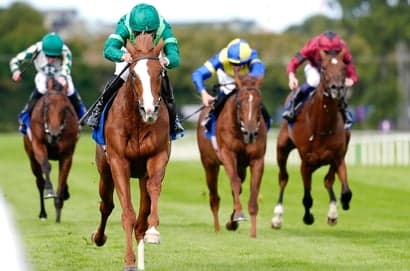
Australian racing faces funding crisis as wagering turnover falls
Racing Victoria’s turnover fell 10.2% to $7.9 billion, deepening fears that softer wagering will squeeze purses, fields and state racing budgets.
Australia’s thoroughbred industry is running into a funding wall as wagering turnover falls and bookmakers become less interested in a product that is delivering less for them. That matters far beyond the balance sheets: when the money stream weakens, prizemoney, field sizes and the day-to-day economics of racing all come under pressure.
Racing Victoria said its FY24 wagering turnover dropped 10.2% to $7.9 billion, down from a peak of $9.1 billion in FY22. The organisation also posted a statutory net deficit of $11.8 million, even as wagering remained its largest source of revenue. Its annual report pointed to cost-of-living pressure, higher interest rates, reduced advertising and promotions from wagering operators, stronger competition from other sports and new government wagering rules as major reasons the market softened.
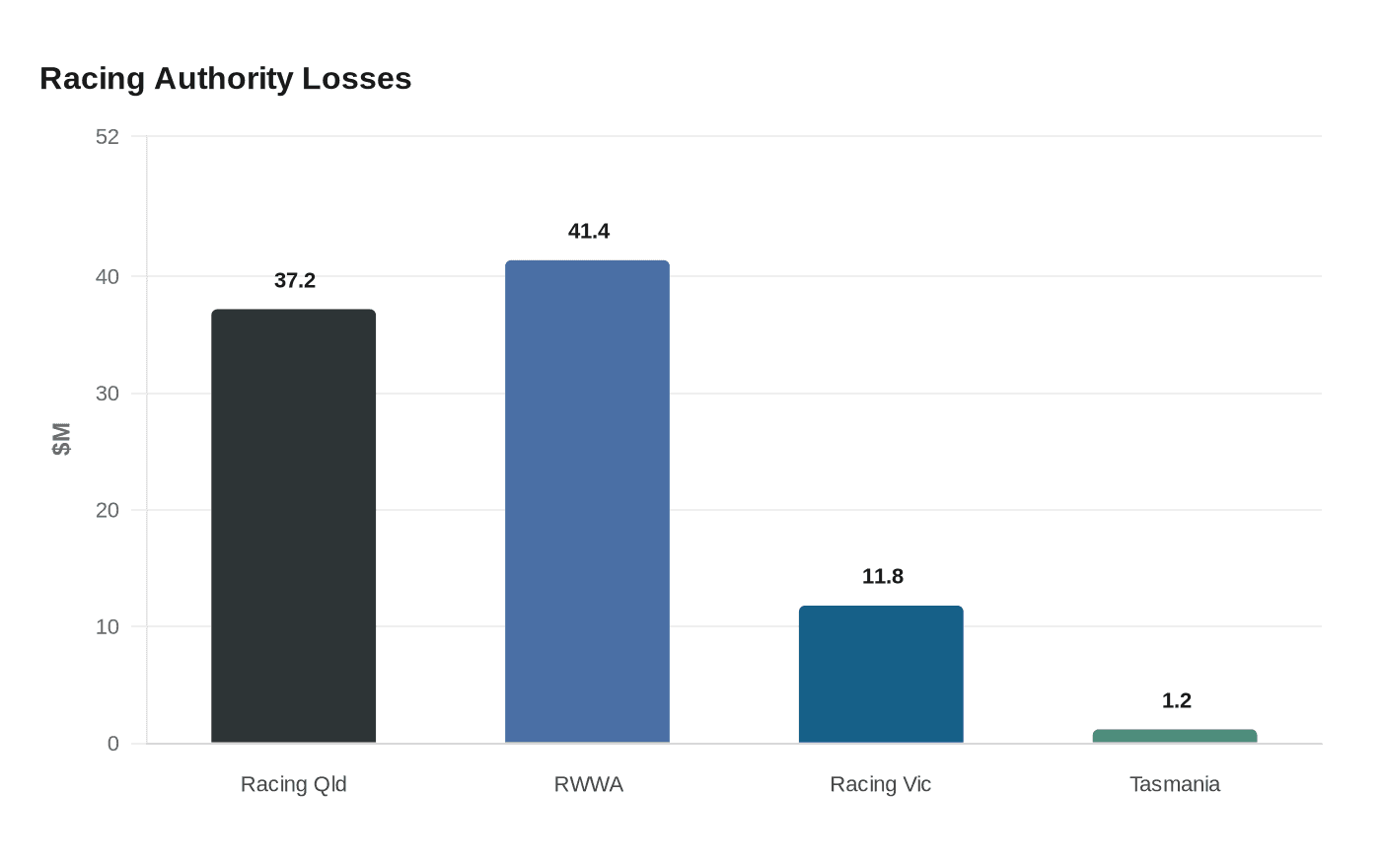
The strain is already showing across the states. Industry analysis put the combined losses of Australia’s principal racing authorities at $77.6 million in 2023/24, with Racing Queensland down $37.2 million, Racing and Wagering Western Australia down $41.4 million, Racing Victoria down $11.8 million and Tasmania about $1.2 million in the red. Racing NSW and Racing SA were in surplus, but Racing SA has already forecast a deficit for 2024/25. The broader racefields funding gap was estimated at about $50 million.
That leaves administrators with a familiar but tougher set of decisions. Racing has built much of its modern spending power on wagering growth, yet the underlying market is no longer expanding in the same way. A 2012 court victory in New South Wales created the 1.5% racefields fee on thoroughbred wagering turnover, a model later copied elsewhere. Racing NSW has collected about $1.4 billion from racefields revenue over the past 12 years, while Victoria’s racefields take rose from $85 million in 2014 to $245 million in 2024, becoming 67% of wagering revenue there.
The scale of what is at stake is enormous. Australian racing supports about 75,000 full-time jobs, includes roughly 380 race clubs, 800 registered jockeys, 3,520 registered trainers and about 35,000 registered racehorses, while staging around 19,000 races a year. About $29 billion was wagered on thoroughbred racing nationwide in 2021/22. With the betting mix shifting away from traditional pari-mutuel pools and toward fixed-odds products, the sport is now more exposed when turnover slips, and that will shape the next fight over prizemoney, programming and how racing is funded in Australia.
Know something we missed? Have a correction or additional information?
Submit a Tip