Ballydoyle visit highlights Benvenuto Cellini and Derby depth at O’Brien base
Ballydoyle is again shaping the Derby from the inside, with Benvenuto Cellini leading a deeper Classic team and Amelia Earhart adding Oaks muscle.
Ballydoyle is the Derby engine room
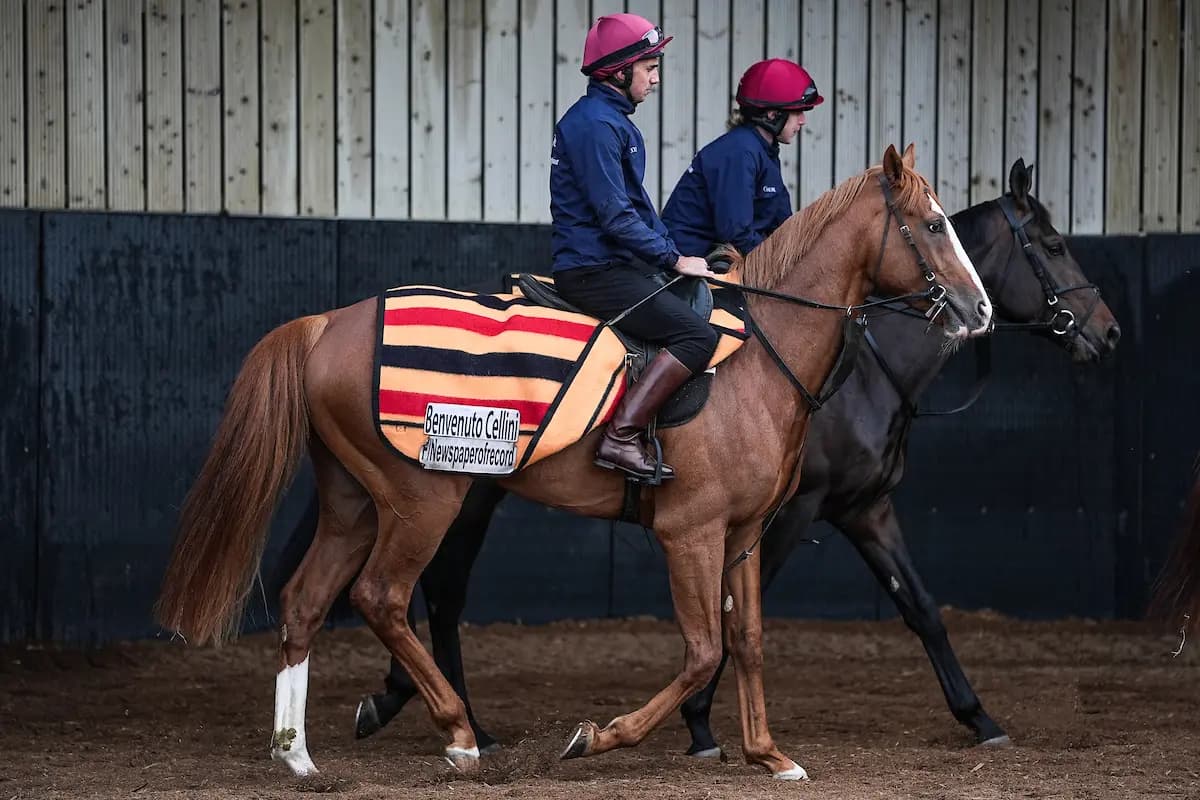
Benvenuto Cellini may have become the headline horse, but the bigger story is the system that keeps producing him. Ballydoyle is not just a famous yard in County Tipperary, it is the working centre of a Classic machine that has prepared 18 Epsom Derby winners and stayed central to Irish racing for more than 70 years. That is why a Monday morning visit there matters so much when the Betfred Derby picture starts to sharpen: the stable’s daily routines often tell you more about the race than the market does.
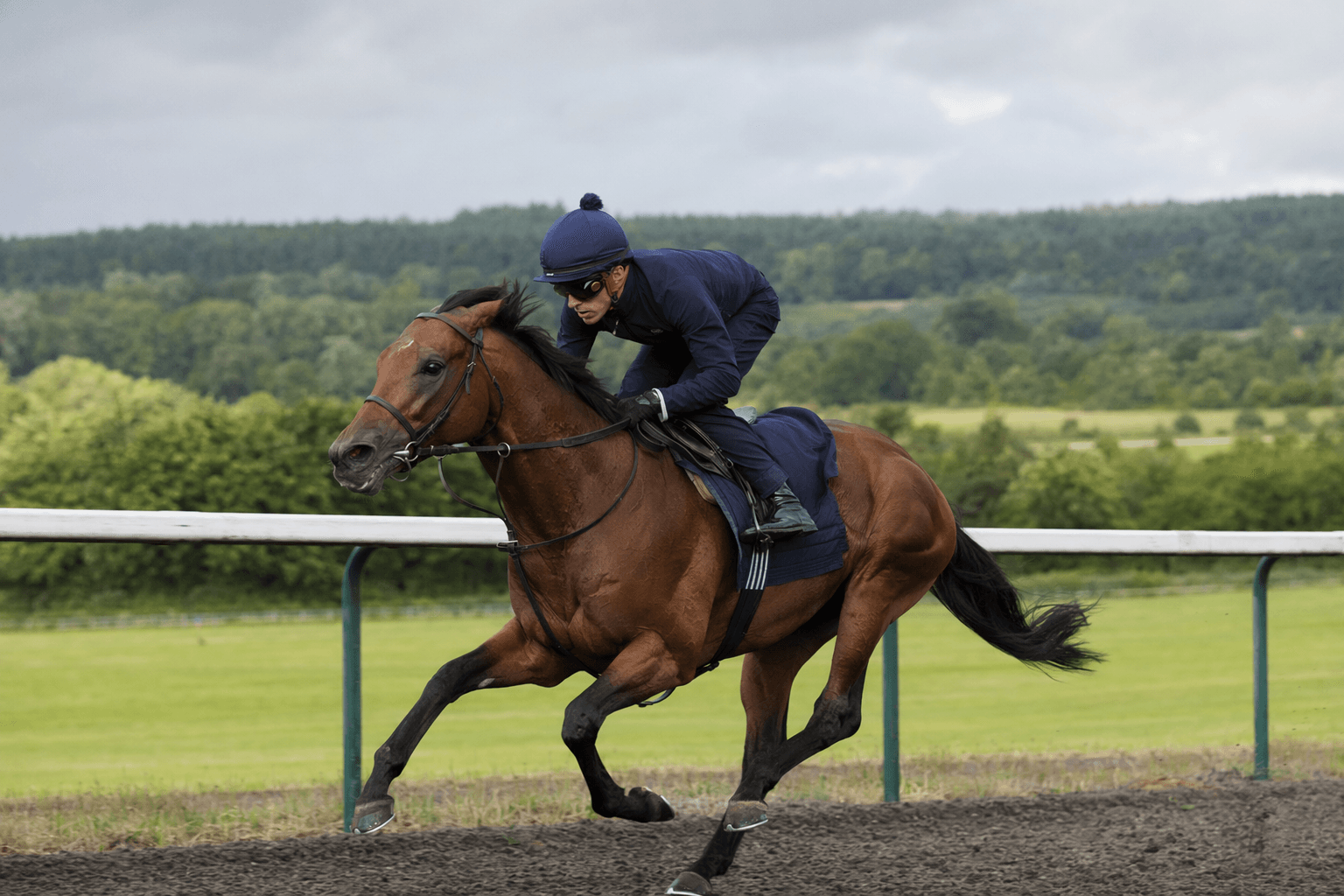
The appeal is not sentimental. Ballydoyle’s influence is structural, because it combines elite stock, disciplined preparation and a decision-making culture built around major targets. When Aidan O’Brien’s base is operating at full strength, it changes the whole spring landscape across Britain and Ireland, from owner confidence to betting patterns and the way rival yards map their own campaigns.
Benvenuto Cellini gives the market a clear front-runner
The most immediate consequence of the latest Ballydoyle momentum is Benvenuto Cellini’s rise to the top of the Derby market. Racing Post reported that he became the new favorite after a hugely impressive win in the KPMG Champions Juvenile Stakes, a result that did more than add another black-type line to his record. It turned him into the colt everyone else must now measure themselves against.
That matters because the Champions Juvenile Stakes has already served as a reliable launchpad for Ballydoyle Derby horses. Racing Post noted that both Australia and Auguste Rodin used that same race before going on to win at Epsom, which gives Benvenuto Cellini’s profile extra credibility. In a season where the Derby conversation often gets crowded with hopefuls, a horse that wins decisively in that pattern race immediately changes the shape of the market.
Why the Ballydoyle method keeps producing Classic horses
The reason Ballydoyle continues to matter is not that it has a famous address, but that it has a repeatable process. The training center’s strength lies in how it develops depth: multiple colts are assessed together, targets are adjusted as form emerges, and the operation is comfortable carrying several live chances at once. That is how a stable avoids depending on a single star and instead builds a pipeline of Derby and Oaks contenders.
The value of the place is also in the way it handles decision-making. Horses are not merely sent to one race because they can win it; they are placed where they can best advance through the Classic season. That approach makes Ballydoyle unusually powerful in spring, when a strong juvenile or early-season Group horse can quickly become the centerpiece of a Derby or Oaks plan.
Tattenham Corner is built into the preparation
One of the most revealing details in the Ballydoyle story is the replica of Tattenham Corner on the gallops. The Jockey Club says Vincent O’Brien had it built decades ago, and Aidan O’Brien has said it remains vital to his training operation. That setup is a practical answer to one of racing’s most unforgiving tests: Epsom is not just about class, it is about balance, positioning and the ability to handle a bend that exposes every weakness.
This is where Ballydoyle’s reputation becomes more than heritage. It shows a training base designed around the specific demands of the Derby, not just the general goal of preparing good horses. The replica corner helps explain why Ballydoyle stories so often begin in Tipperary and end with trophies at Epsom Downs.
A legacy measured in Derby winners
The historical weight behind the current team is formidable. Vincent O’Brien’s name remains central to Ballydoyle’s identity, with six Derby winners in his era, from Larkspur to Golden Fleece. Aidan O’Brien carried that line forward with wins on Galileo and High Chaparral in 2001 and 2002, then Camelot in 2012, before Auguste Rodin gave him a record-extending ninth Epsom Derby win in 2023.
City Of Troy added another layer in 2024, and Coolmore has said O’Brien described him as the best Derby winner he has trained. That is not just a flattering line for the record books. It tells you how high the internal standard at Ballydoyle has become, because a stable that can compare one Derby winner against another at that level is operating in a different category from the rest of the sport.
Amelia Earhart widens the Classic picture
Benvenuto Cellini is not the only reason Ballydoyle is under the microscope. Racing Post also reported that O’Brien was targeting Amelia Earhart as another leading Classic contender in the same Derby and Oaks window. That matters because it shows the operation is not built around one flagship runner, but around a broad and adaptable spring team.
When Ballydoyle has both male and female Classic contenders in the frame, it influences the entire season. The stable can shape race plans across multiple divisions, and that creates knock-on effects for rival trainers, owners assessing future engagements and bettors trying to read which horse is being positioned for which target. A single standout horse can move a market; a stable with depth can move the season.
Why the broader industry watches every step
Ballydoyle’s importance reaches well beyond one race result. When O’Brien’s team is strong, the effects run through the commercial side of the sport, including stallion value and owner appetite, because Derby contenders are not only racing prospects but future breeding commodities. A colt like Benvenuto Cellini is being judged in two ways at once: whether he can win at Epsom, and what that might mean for the stallion market later on.
There is also a cultural dimension to the Ballydoyle phenomenon. In Britain and Ireland, the Derby remains the race that defines a generation of three-year-olds, and Ballydoyle gives that race a steady stream of protagonists. That is why a morning at the yard resonates far beyond the training lot. It reveals the machinery behind the sport’s biggest prize, and in 2026 that machinery once again looks set to send multiple runners into the Classic spotlight.
Know something we missed? Have a correction or additional information?
Submit a Tip