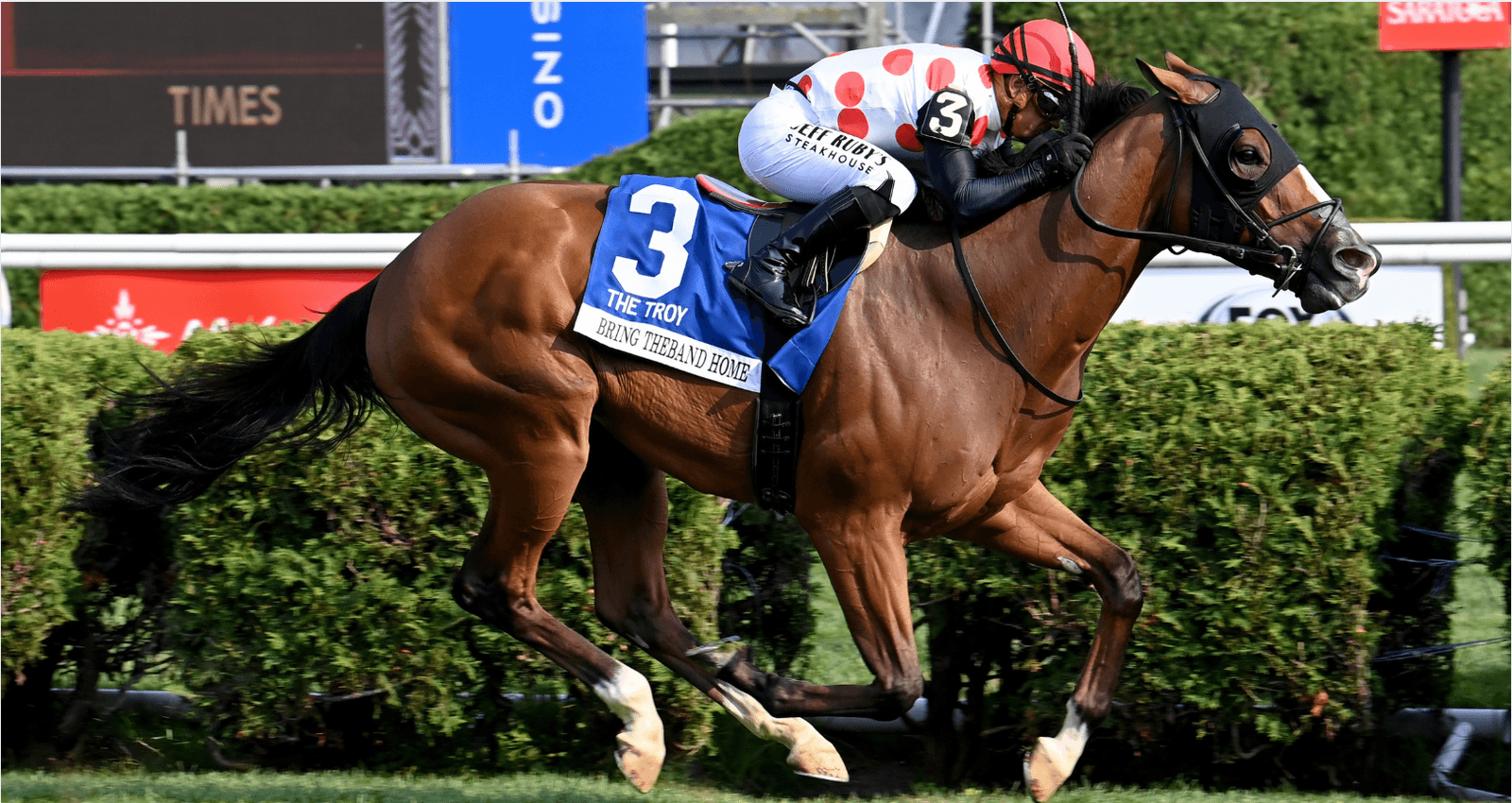
Bayside Boy Emerges as Surprise First-Season Sire with Rapid Winners
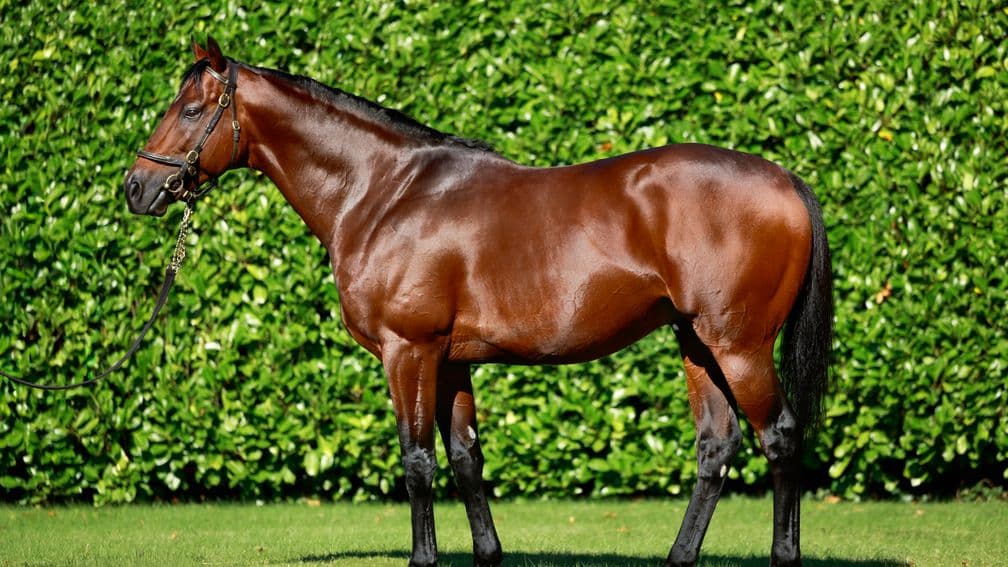
Bayside Boy has turned a modest first-crop profile into a real market story, with four winners from six runners and a fee that looks increasingly sharp.
A fast start that changes the conversation
Four winners from just six runners is the kind of start that forces breeders to rethink a stallion, and Bayside Boy has done it fast enough to become one of the spring’s most intriguing surprises. At Ballylinch Stud in County Kilkenny, the son of New Bay has gone from being priced like a longshot to looking like a sire with real commercial traction, especially because three of those winners scored on debut and two more runners have already placed.

That matters far beyond a simple winners tally. In the first-season sire market, timing is currency. A stallion who gets early two-year-olds to act quickly can shape how breeders, pinhookers, and breeze-up buyers view an entire crop months before the major sales calendar tightens. Bayside Boy was expected to take time, but the evidence has arrived early enough to turn him into a talking point rather than a waiting game.

Why the market is paying attention
Bayside Boy was never a mystery horse. He entered stud with a proper race record and the sort of profile that usually earns respect, even if he did not begin life among the most fashionable names in the freshman ranks. Ballylinch lists him at €12,500 for 2026, and Racing Post shows the same figure, down from €15,000 in both 2024 and 2025. That price movement gives the early results even more bite, because a fast-starting sire can quickly look underpriced once the first black-type hopes and debut winners begin stacking up.
The market response is also being shaped by the quality of the start, not just the volume. Blessed Voyager became Bayside Boy’s first winner when landing the Dubai Duty Free EBF Maiden Stakes at Newbury on debut, and that was followed by Belisa Bay’s win in Bordeaux. Goffs added another layer to the story by confirming that Blessed Voyager’s success earned a €50,000 bonus in the 2026 Goffs Two Million Series after being bought for €80,000 at the Goffs Orby Sale. That is the kind of commercial chain reaction breeders notice immediately: stallion, sale ring, racecourse, bonus, repeat.
The horses behind the headline
The first runner to strike was Blessed Voyager, trained by Ralph Beckett, and the detail that he won at the first attempt matters as much as the victory itself. A debut success sends a different signal from a horse grinding out a later maiden win, because it suggests early maturity and the ability to deliver speed with limited education. For a young sire, that is exactly the sort of proof point that turns curiosity into confidence.
Belisa Bay gave the story more depth by showing that the early success was not a one-off. The Ballylinch-owned and Henri Devin-trained filly winning in Bordeaux widened the geographical and practical appeal of the stallion’s start, and it reinforced the idea that Bayside Boy’s first crop is producing usable, adaptable performers. When a sire can get winners in different settings, at different tracks, and through different trainers, the market starts to believe the horse is passing on something repeatable rather than isolated luck.
John O’Connor’s confidence looks better by the week
John O’Connor has been central to the narrative from the start, and his earlier description of Bayside Boy still frames the case neatly. In 2023, he said the horse had “all the attributes” Ballylinch look for in a stallion prospect and “a lot of natural speed.” That assessment now feels less like promotional language and more like an early blueprint for what the first crop is showing.
O’Connor’s latest view, following Belisa Bay’s win, was that the farm is delighted and not entirely surprised. That is an important distinction. It suggests the early results are validating a belief already held on the farm, rather than forcing a complete reappraisal. When the people closest to the horse see the results as confirmation rather than an accident, outside confidence tends to follow.
A racehorse profile that always hinted at this
Bayside Boy’s own form gave breeders a sensible reason to support him even before the first foals were on the ground. He won the Group 2 Champagne Stakes as a juvenile, then ran with enough quality at two to place in both the Group 1 Dewhurst Stakes and Group 1 Futurity Trophy. By three, he had confirmed elite-class ability by winning the Group 1 Queen Elizabeth II Stakes at Ascot in 2022, one of the most visible late-season mile races on the calendar.
That profile matters because it ties speed to class. The Queen Elizabeth II Stakes win at Ascot was the public statement, but the juvenile form and Group 1 placings gave Ballylinch a stallion prospect who looked like he could leave precocious stock with enough class to progress. The current early return from his first runners is so interesting precisely because it seems to match the racecourse version of the horse.
What this means for Ballylinch and the wider sire market
Ballylinch already has established power in its stallion roster, including Lope de Vega and New Bay, so a successful Bayside Boy would not just be a nice bonus. It would deepen one of Europe’s strongest commercial programmes and give the farm another angle in a market that increasingly rewards speed, early runners, and visible momentum. If Bayside Boy keeps turning out winners this spring, his place in that lineup will stop looking like a development project and start looking like a serious commercial pillar.
The timing is especially important because first-season sires are often judged brutally fast. That pressure can be unfair, but it also creates opportunity for the horses that move early. Bayside Boy’s six-runner sample is still small, yet the combination of four winners, three debut scorers, and two further placings is exactly the sort of statistical start that travels through breeding circles, sales barns, and bloodstock conversations with unusual speed.
Why the surprise is valuable
The most interesting part of the Bayside Boy story is not simply that he has winners. It is that he is winning while carrying the label of a horse many expected to come later. That inversion is what creates the market spark. A sire who is quick off the mark can change breeder perception before the season is even deep, and in bloodstock, perception often becomes value faster than any formal adjustment in fee.
Bayside Boy has now moved from “interesting” to “watch closely,” and that is how commercial momentum begins. If the early pattern continues, Ballylinch may have unearthed a stallion whose biggest asset is not only the quality of his race record, but the speed with which he has already translated it into winners.
This article was produced by Prism’s automated news system from verified source data, official records, and press releases, then run through automated quality and moderation checks before publishing. The system is built and supervised by the people who set the standards it runs under. Read our full AI policy.
Did this article answer your question?