Bill Betz’s breeding legacy grows with Echo Zulu, Mine That Bird, When Light Won Up
When Light Won Up extends a breeding run that already includes Echo Zulu and Mine That Bird, proving Bill Betz built more than a farm, he built a durable pipeline.
The result that keeps the ledger moving
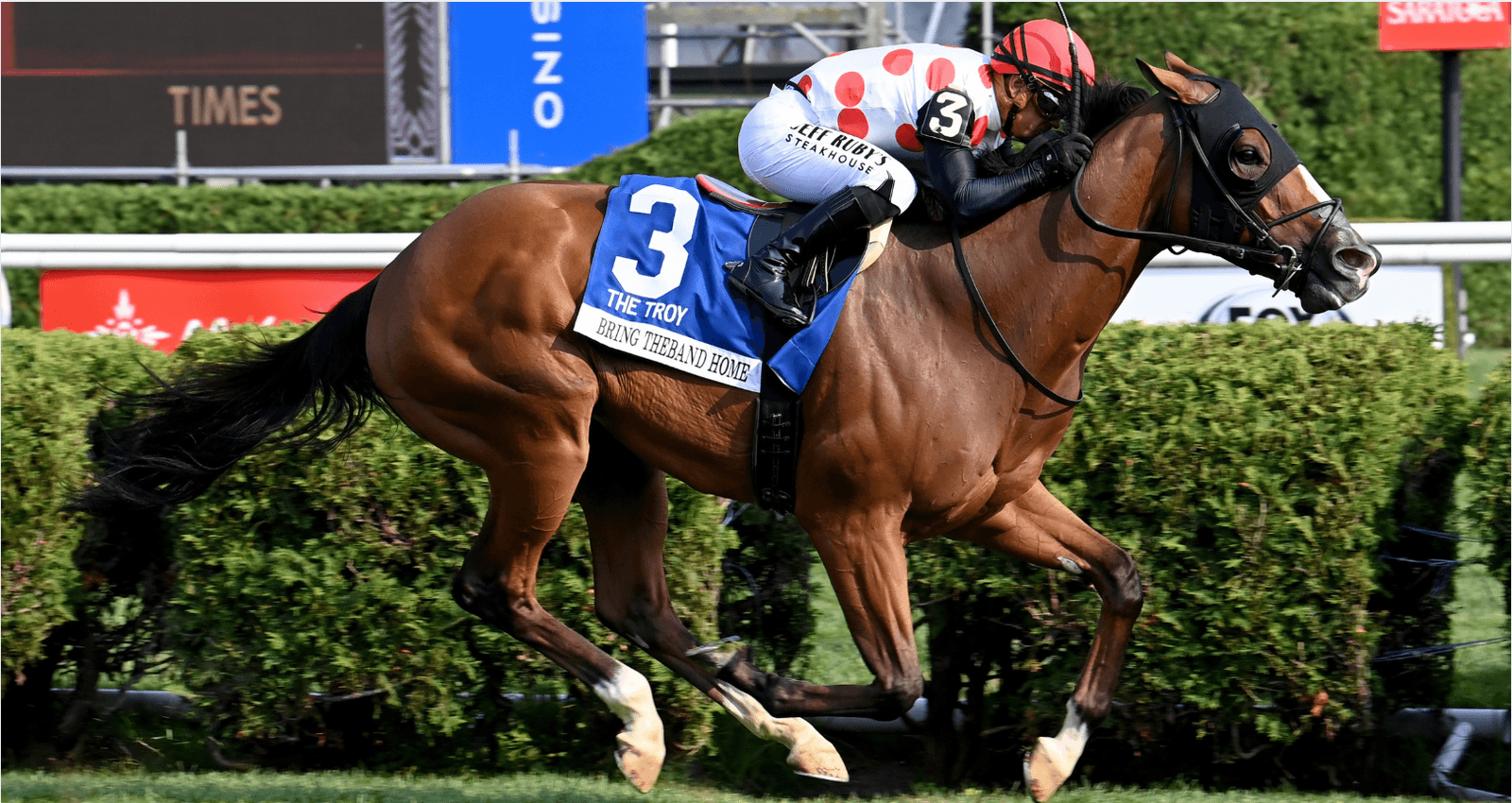
When Light Won Up won the $103,000 Sweet Life Stakes at Santa Anita in 1:12.85, the headline was not just a stakes score. The bigger story is that a $200,000 Keeneland September Yearling Sale purchase kept the Bill Betz breeding tree producing horses that can jump from the auction ring straight into black-type company. She is owned by Purple Rein Racing, Janie Buss and Mark Davis, and trained by Doug F. O’Neill, but the foundation traces back to Betz Thoroughbreds and partners who keep finding ways to turn breeding decisions into marketable runners.
That is the part worth paying attention to. A breeder’s reputation is not built on nostalgia or one giant upset. It is built on repeatable output, and Light Won Up is another clean example of a horse bred by Betz, sold into the market, and still good enough to win when the purses and the pressure rise.
How a Pennsylvania detour became a Kentucky blueprint
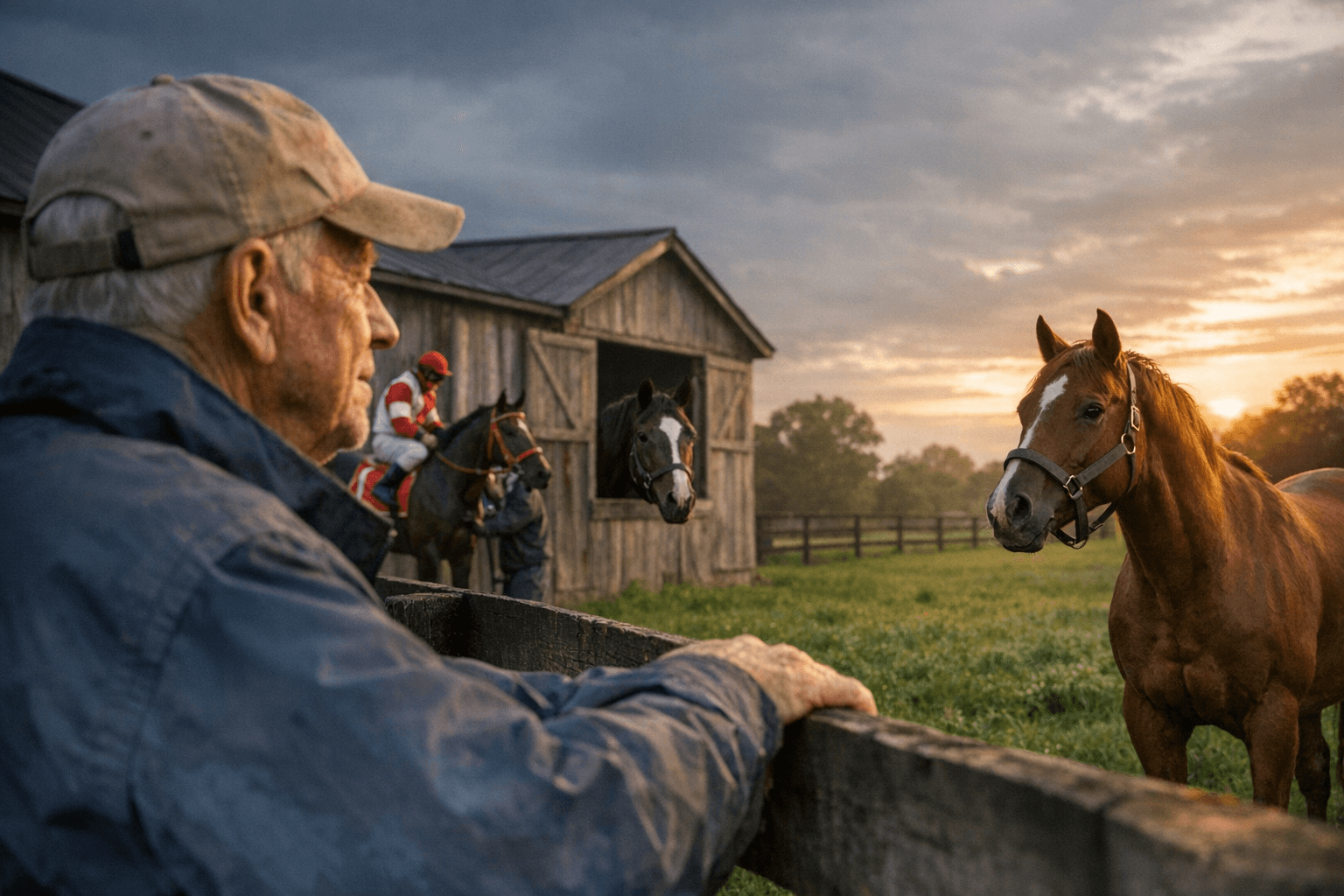
Betz’s story starts far from the Bluegrass, in Pennsylvania, but the important move came when he drove through Kentucky horse country in the mid-1970s and saw what the place really offered. Paris Pike, the stone walls, the pastures, the mares and foals, all of it hit with the force of a permanent conversion. He had already been around horses through a horse-trading great uncle, and by age 15 he was showing Quarter Horses around the country for $25 a head. That is not a ceremonial introduction to the sport. That is a working education, earned one paycheck at a time.
What changed in Kentucky was scale and possibility. The Thoroughbred business gave him a path out of the small-time horse trade and into an industry where breeding, sales, land, and timing all mattered at once. Betz did not inherit a ready-made operation; he saw a system and decided to build inside it.
He built the curriculum himself
The period he entered was not the modern version of the industry. Stallion books were smaller, veterinary routine was less advanced, and formal farm-management education barely existed as a road map. There were also far fewer women in visible roles, which tells you something about how narrow the business still was. Betz had to assemble his own education in breeding, pasture management, nutrition, foaling, and the business side of the game.
That matters because his later success looks less like luck than accumulated knowledge. He worked for breeder Lee Eaton and Dr. William McGee while taking graduate classes at the University of Notre Dame, which adds another layer to the picture. He was not simply learning from the ground up; he was building a framework that blended practical horse sense, professional mentorship, and academic discipline.
Echo Zulu shows what a top-end broodmare program can do
If you want a single horse that explains why Betz’s footprint is durable, Echo Zulu is a strong place to start. Bred by Betz and partners, she became the 2021 Champion Two-Year-Old Filly after winning the Breeders’ Cup Juvenile Fillies. That kind of horse does more than pad a résumé. It changes the level of the operation, because it proves the breeding program can produce elite talent instead of only useful runners.
Echo Zulu’s record is stacked with major races, including the Spinaway, Frizette, Fair Grounds Oaks, Dogwood, Winning Colors, Honorable Miss, and Ballerina. When a breeder puts a champion juvenile filly and a list of Grade 1 wins on the page, the market notices. More important, it confirms that the Betz operation can identify or assemble bloodlines that peak at the highest level and stay relevant across more than one season.
Mine That Bird gave the operation classic credibility
Mine That Bird remains the cleanest long-view argument for Betz’s influence. He was foaled on May 10, 2006, in Kentucky at a farm belonging to Blackburn & Needham and Betz Thoroughbreds, and then he did the kind of thing that can define a breeding career for decades. In 2009, he won the Kentucky Derby at 50-1 odds, then went on to finish second in the Preakness and third in the Belmont.
That is not just a famous horse. That is a case study in what happens when a breeder’s decisions hold up under classic pressure. Betz was back in Churchill Downs’ winner’s circle for the Derby trophy presentation as a representative of the horse’s breeders, which is exactly where a breeder belongs when the program has done its job. Mine That Bird still matters because he shows that the Betz pipeline was never limited to precocious juveniles or sale-ring success. It could reach all the way to the first Saturday in May.
The graded-stakes run was already there in 2017
The current run did not appear out of nowhere. TOBA’s 2017 profile said Betz and his partners had already co-bred three graded stakes winners that year, including J Boys Echo, who won the Gotham Stakes on March 4, 2017. That detail matters because it shows a pattern, not a peak.
A breeder who can keep turning out graded stakes horses across different years is doing something structurally right. It suggests more than a good mating or two. It points to consistency in selection, placement, and the kind of farm strategy that can survive market shifts without losing its edge.
Why the latest stakes winner still belongs in the same conversation
Light Won Up brings the whole story into the present tense. She was bought for $200,000 at the 2024 Keeneland September Yearling Sale, then showed up in the Sweet Life Stakes and ran fast enough to matter. That is exactly how a strong breeding program should look: the market values the horse, the racecourse validates the profile, and the breeder stays attached to the outcome.
Betz’s lasting influence in Kentucky bloodstock comes from decisions that keep paying off in different forms. A Derby winner, a champion two-year-old filly, a graded-stakes pipeline, and now a Sweet Life winner all point to the same conclusion. He did not just join the Bluegrass establishment, he helped build a version of it that still produces horses worth watching.
This article was produced by Prism’s automated news system from verified source data, official records, and press releases, then run through automated quality and moderation checks before publishing. The system is built and supervised by the people who set the standards it runs under. Read our full AI policy.
Did this article answer your question?