Black-type analysis sharpens Derby and Oaks picture at Epsom
Ballydoyle’s bid for a 12th Derby win, plus a nine-runner Oaks and Precise’s withdrawal, make Epsom a test of stamina, ground and timing.

The Ballydoyle pressure point
Aidan O’Brien arrived at Epsom with the kind of pressure only history can create: Benvenuto Cellini headed a 14-runner Betfred Derby field, and the trainer was chasing a 12th win in the Classic after already landing it 11 times. That is not just a number, it is a shadow over the race, because every O’Brien Derby bid is measured against the stable’s own standard for precision, patience and timing.
The £2,000,000 prize fund only adds to the scale. A race with that kind of purse, at a venue as exacting as Epsom, demands more than raw class. It pulls in elite operations, deep pedigrees and a betting market that wants a clear answer, then rarely gets one until the final climb to the line.
Benvenuto Cellini being the favourite mattered because he represented the most obvious expression of Ballydoyle power. With four O’Brien runners in the line-up, the stable was not just trying to win the Derby, it was trying to shape it. That is the familiar Epsom challenge for the yard: turn depth into dominance, then make sure the camber, the positioning and the pace all fall into place.
What history demands at Epsom
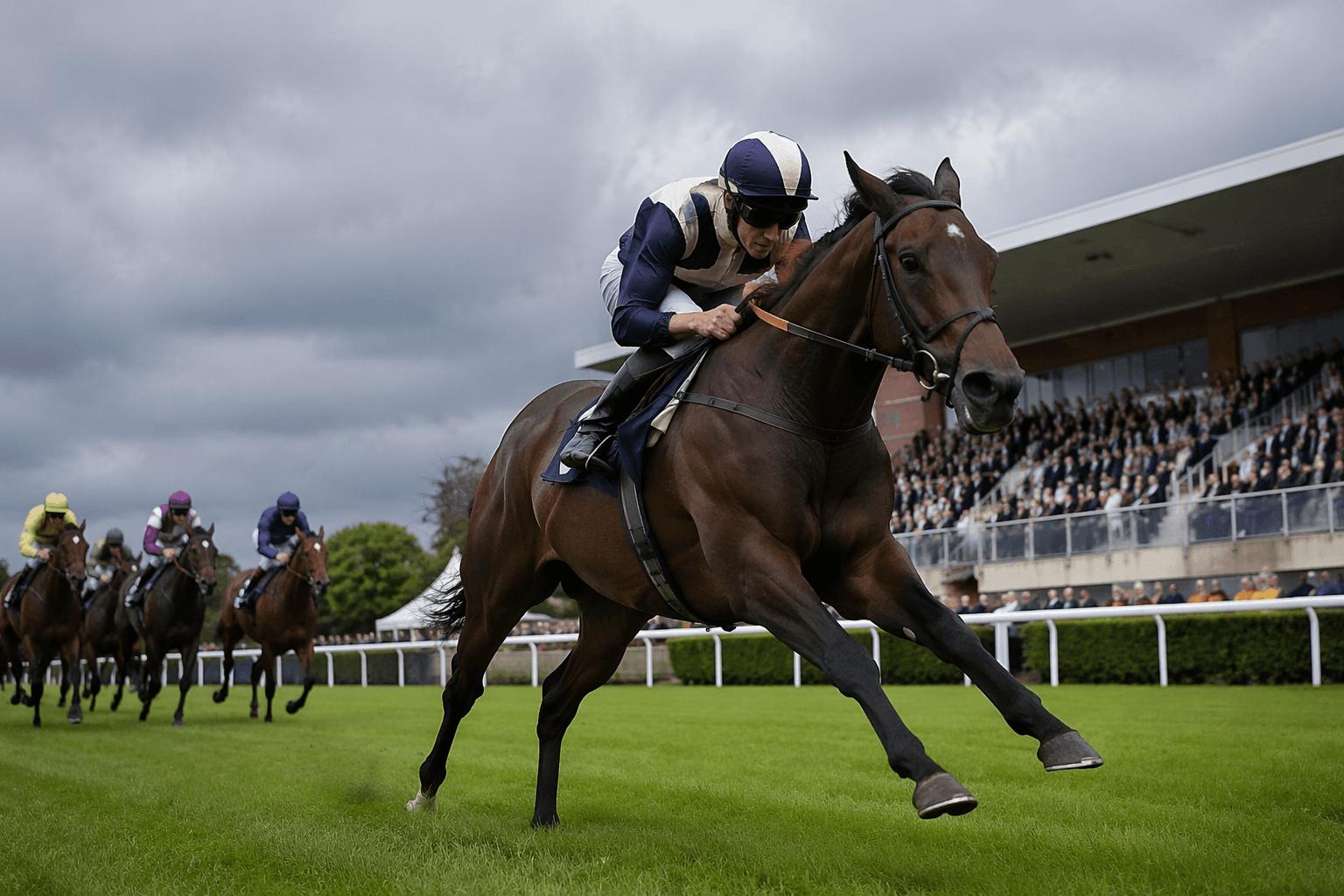
The Derby at Epsom rarely rewards the most straightforward horse in the field. It usually exposes whether a colt can stay 1m4f under pressure, hold balance on the turns and settle into a rhythm before the track starts asking hard questions. O’Brien’s previous Derby winners have tended to share that blend of class and composure, with enough pedigree substance to handle the trip and enough tactical discipline to survive the unique geometry of the course.
That is why this Derby was not simply a question of whether Ballydoyle had the best horse. It was whether the best horse could also be the most adaptable horse. Epsom punishes hesitation, and the stable’s greatest strength has often been its ability to prepare a colt to travel smoothly, conserve energy and finish with authority when others are scrambling for position.
The 14-runner field sharpened that pressure. In a smaller, more orderly race, class can carry a colt a long way. At Epsom, traffic, balance and stamina collide, so the horse that looks strongest on paper still has to solve the track itself.
The Oaks was just as open as the market suggested
If the Derby revolved around Ballydoyle’s bid for another milestone, the Betfred Oaks was shaped by uncertainty and momentum. The final declarations left nine runners after Precise came out because of rain-softened ground, and that withdrawal immediately underlined the most important theme of the race: conditions mattered as much as form.
Amelia Earhart came in as the Cheshire Oaks winner and one of the leading lights of the race, but her challenge was not simply to repeat that form. She had to prove she handled softer ground and stayed the full trip at Epsom. Those two doubts are the kind that can move a filly from market leader to vulnerable favourite in the space of a few furlongs.
Legacy Link offered a different profile. She had won the Musidora Stakes at York and had been routed toward the Oaks by John Gosden, who said, “I was very happy with her,” after an Epsom workout on the official gallops morning. That mattered because it showed intent, not just talent. She also brought a form edge through separate trial wins, with stronger Topspeed figures than Amelia Earhart, which strengthened the case that she was more than a place-holder in the market.
Then came Thundering On, the filly with the most obvious upward curve. Her G3 Salsabil Stakes win at Navan gave her the profile of a horse still improving, and the rain only sharpened interest in her because heavy ground had already become one of the weekend’s defining talking points. Her draw in stall 5 also carried a neat Epsom echo, since Ezeliya had won from the same stall in 2024 after taking the same Navan trial route.
Why the black-type lens matters
This is exactly where black-type analysis earns its keep. It cuts through the noise and puts the race in the proper order: proven Group form, upwardly mobile trial winners, and the tactical realities that decide whether a horse can actually convert promise into a Classic. At Epsom, pedigree and trackcraft are not abstract concepts. They are the difference between looking good at the gallops and lasting the final climb.
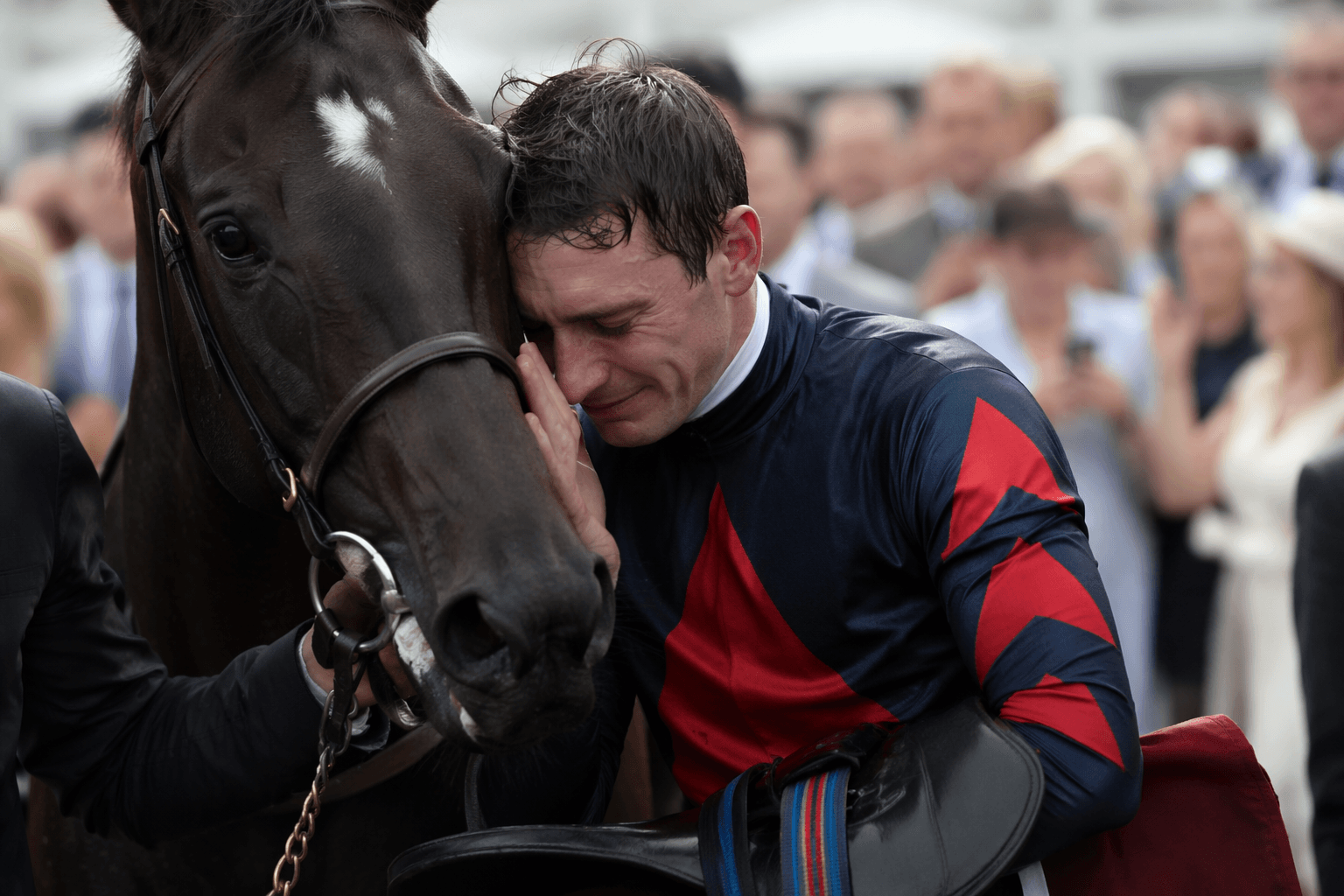
That was especially true in the Oaks, where market movement, rainfall and stamina doubts all pointed toward one central question: who was still moving forward? Thundering On answered that most forcefully, and her eventual Oaks win gave the pre-race debate a clear verdict. The filly who looked like a fresh improver when the declarations were made was the one who turned the race into a breakthrough for Joseph O’Brien.
For Ballydoyle, the Derby posed a different kind of exam, but the same rule applied. Epsom does not simply reward strength in numbers. It rewards the stable that can turn pedigree, tactics and timing into one clean, decisive performance. That is the burden O’Brien carried again, and the reason every Derby he enters feels like a test of whether history is being repeated, or rewritten.
This article was produced by Prism’s automated news system from verified source data, official records, and press releases, then run through automated quality and moderation checks before publishing. The system is built and supervised by the people who set the standards it runs under. Read our full AI policy.
Know something we missed? Have a correction or additional information?
Submit a Tip