CHRB Carmoterol Case Against Arrossa Complicated by Destroyed Split Samples
Arrossa's carmoterol case turns on a split urine sample purged four days before investigators were even told the original test was positive.
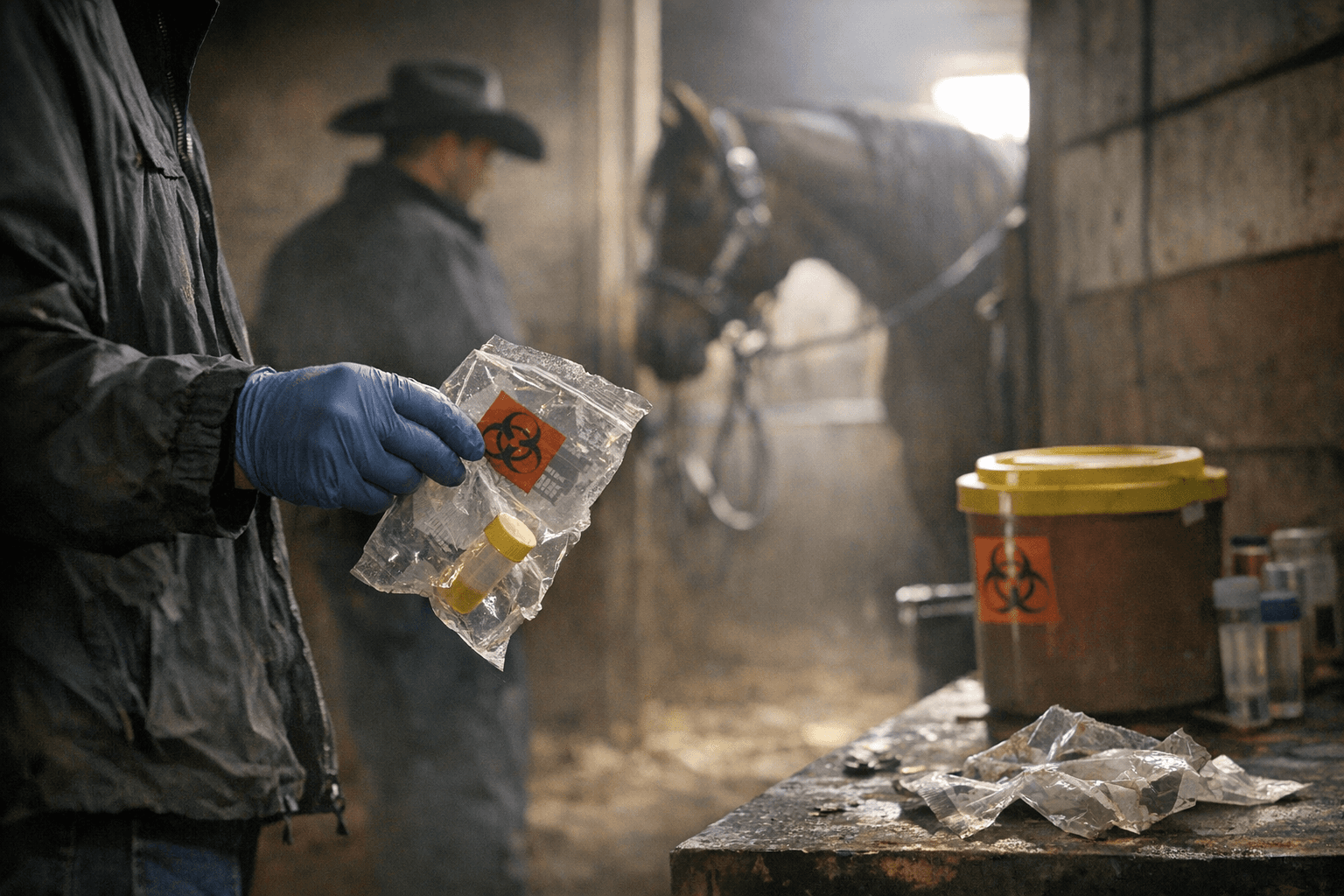
The procedural flaw at the center of Monty Arrossa's medication case is stark: a split urine sample that could have offered the trainer independent confirmatory testing was destroyed four days before the California Horse Racing Board even knew the original test had come back positive.
That timeline cuts to the heart of why this case has become a due-process flashpoint in Quarter Horse racing. American Dreamin', trained by Arrossa and owned and bred by Dunn Ranch, provided a post-race urine sample on Oct. 27, 2024. The Kenneth L. Maddy Equine Analytical Chemistry Laboratory later identified carmoterol in that specimen, but did not communicate the positive finding to investigators until Nov. 30. Under CHRB rules, split samples are retained for 30 days before destruction. The urine split had already been purged on Nov. 26, four days before the notification arrived. By the time Arrossa's defense could have formally requested confirmatory testing, the split no longer existed.
A CHRB hearing officer's report acknowledged the outcome without finding misconduct. The officer stated explicitly that there was no evidence the sample was purged to intentionally deny Arrossa the right to test the split, framing it as an unfortunate procedural outcome rather than deliberate obstruction. That distinction matters legally, but it also exposes the gap between what split-sample retention rules promise, a meaningful opportunity to challenge the original finding, and what the framework actually delivered in this instance.
The case does not rest entirely on the purged urine split. A blood sample drawn from American Dreamin' at the same Oct. 27 race was reported by the Maddy lab to contain carmoterol, with that finding arriving on or about May 9, 2025. The split blood sample remained available for testing, giving regulators a second evidentiary track that survives the chain-of-custody problem on the urine side.
Carmoterol is a Class 1/A prohibited substance, a potent long-acting beta-2 agonist that regulators place in the same functional category as albuterol and clenbuterol. Compounds in that class have drawn recurring scrutiny in Quarter Horse racing for their capacity to enhance respiratory performance.
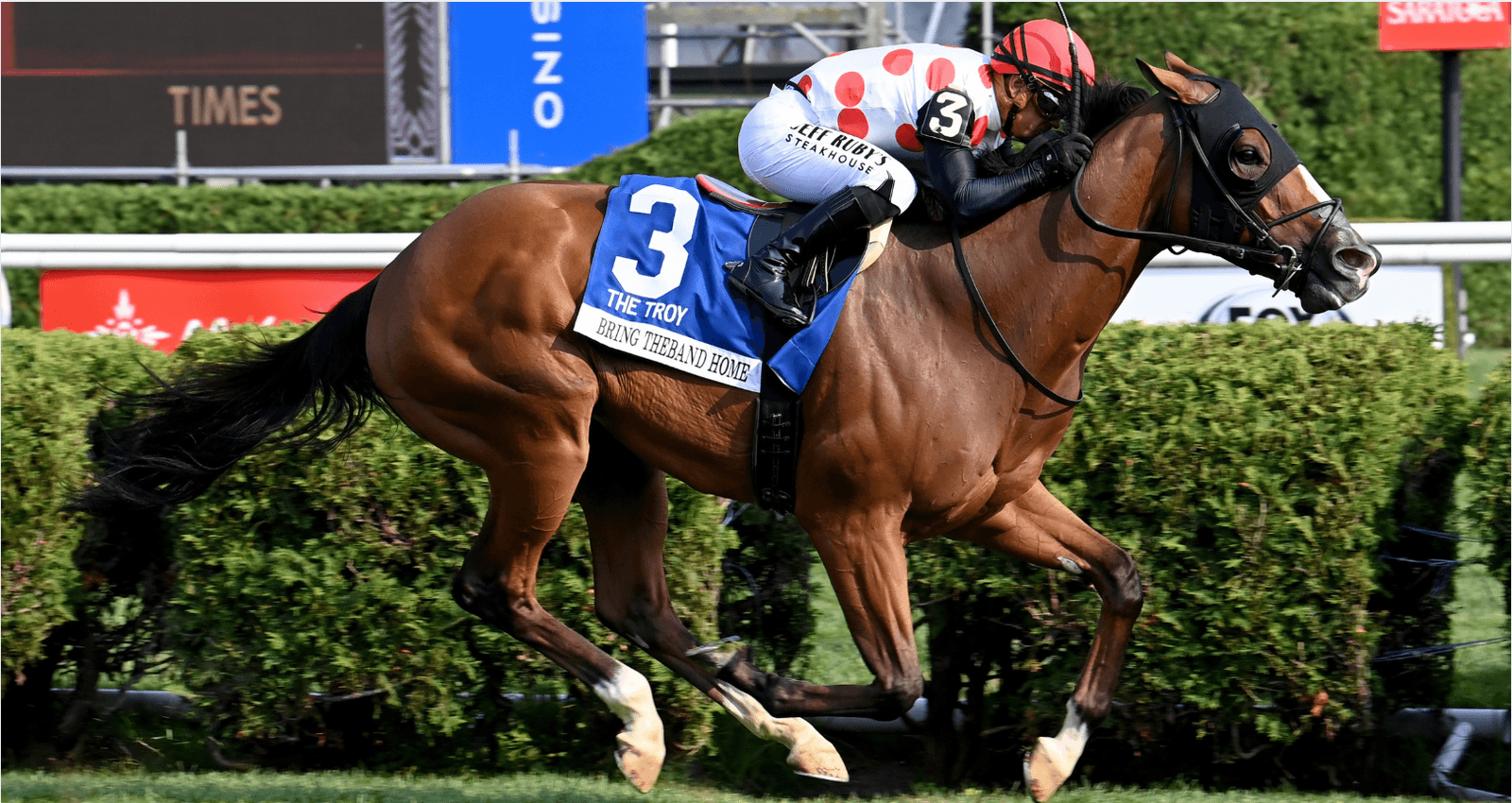
The CHRB had already acted before the hearing officer's report became public, disqualifying American Dreamin' from a Grade 1 win and charging Arrossa with multiple medication violations tied to carmoterol positives. Purse redistribution proceedings followed. Arrossa and his legal counsel contested the findings, pointing to procedural irregularities and questioning whether the Maddy lab's confirmation steps met required standards.
A CHRB hearing scheduled for mid-April is expected to take up at least some of the allegations. The outcome carries weight beyond Arrossa's license. The 34-day delay between the Oct. 27 sample collection and the Nov. 30 notification from the Maddy lab exposes a structural vulnerability in California's split-sample framework, one that could undermine any trainer's due-process rights when lab timelines and retention windows fall out of sync. Whether the CHRB treats this case as a reason to revisit those notification protocols may prove as consequential as any ruling on Arrossa himself.
This article was produced by Prism’s automated news system from verified source data, official records, and press releases, then run through automated quality and moderation checks before publishing. The system is built and supervised by the people who set the standards it runs under. Read our full AI policy.
Did this article answer your question?