Croix du Nord edges Tenno Sho (Spring) by a nose at Kyoto
Croix du Nord outlasted Wurttemberg in a nose photo at Kyoto, then turned a 3,200-meter grind into proof that Japan’s stayers still set the standard.
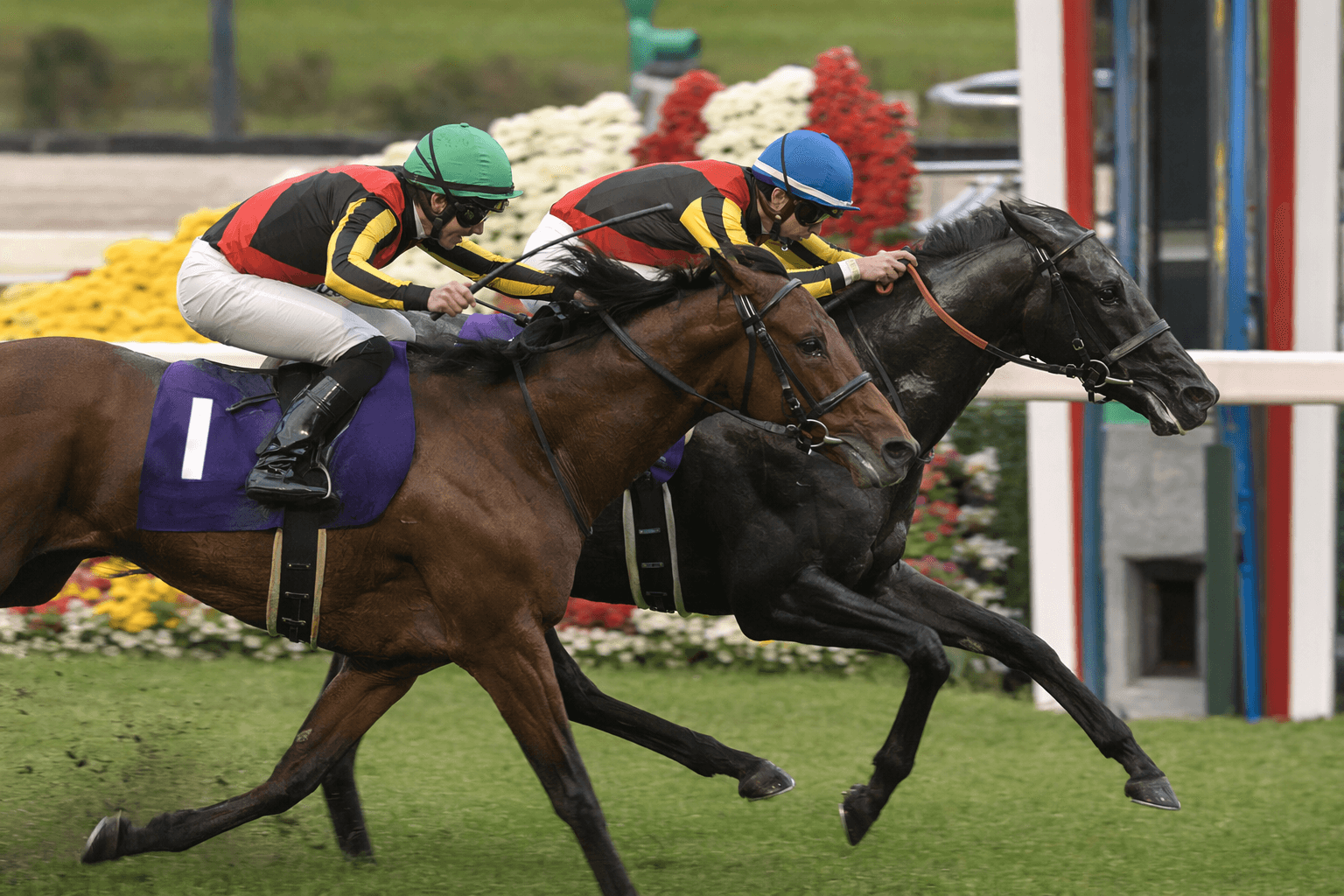
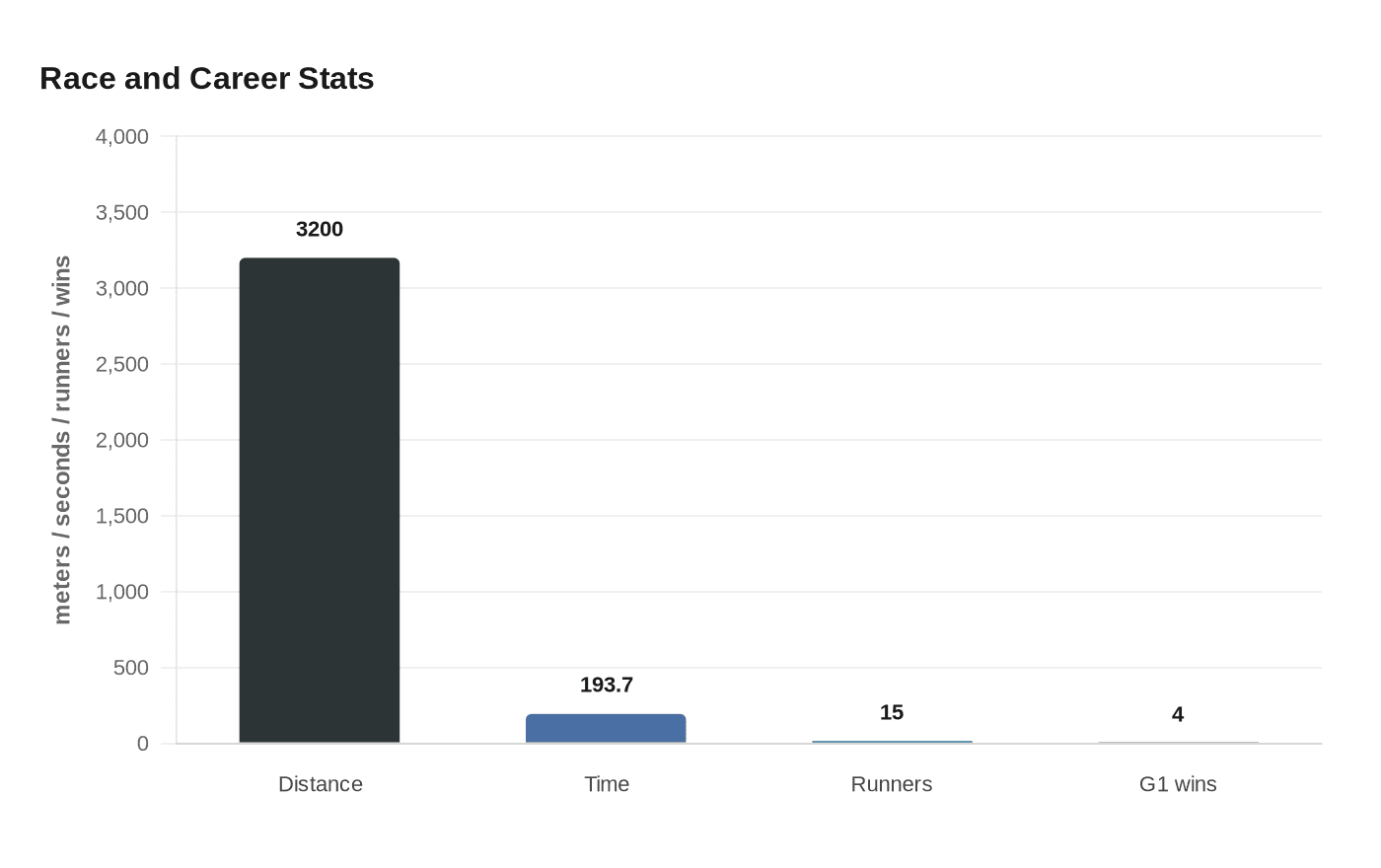
Croix du Nord survived one of Japan’s tightest staying-race finishes of the year, edging extreme longshot Wurttemberg by a nose in the Tenno Sho (Spring) at Kyoto Racecourse. The favorite covered 3,200 meters in 3:13.7 and had to wait for a steward’s review before the result was confirmed, but the photo finish only sharpened the meaning of the win: in an era that often rewards speed, the deepest tests still belong to horses with real stamina and class.
The 15-runner Group 1 unfolded the way elite staying races often do, with Croix du Nord breaking smoothly, settling around sixth and traveling three-wide for much of the journey. Jockey Yuichi Kitamura asked for more early in the stretch and briefly looked home, only for Wurttemberg to launch a late challenge that forced the race to the line. Croix du Nord held on, and the margin, narrow as it was, gave him a victory that felt bigger than the photo.
It was also a landmark result for the colt’s résumé. Already a winner of the 2024 Hopeful Stakes, the 2025 Tokyo Yushun and the 2026 Osaka Hai, Croix du Nord claimed the fourth Group 1 victory of his career and became the first Japanese Derby winner to take the spring Tenno Sho since Meisho Samson in 2007. The performance also answered a distance question, because this was the first time he had stretched successfully beyond 1 1/2 miles.
The win carried added weight for trainer Takashi Saito and Kitamura. Saito recorded his 11th JRA Grade 1 victory, while Kitamura earned his ninth, and the pair had already partnered with Croix du Nord for victory in the Osaka Hai. Sunday Racing owns the colt, whose record now stands at seven wins from 10 starts, with his defeats coming only in top company, including the Arc and the Japan Cup.
The result also linked generations. Croix du Nord is by Kitasan Black, who won the Tenno Sho (Spring) in 2016 and 2017, and their victories made them the seventh father-son combination to win the race in JRA history. For Japan’s staying division, that is more than a pedigree note. It is a reminder that the country still produces horses capable of handling the toughest tests and, when the race becomes a war of attrition, finishing with something left at the end.
Know something we missed? Have a correction or additional information?
Submit a Tip