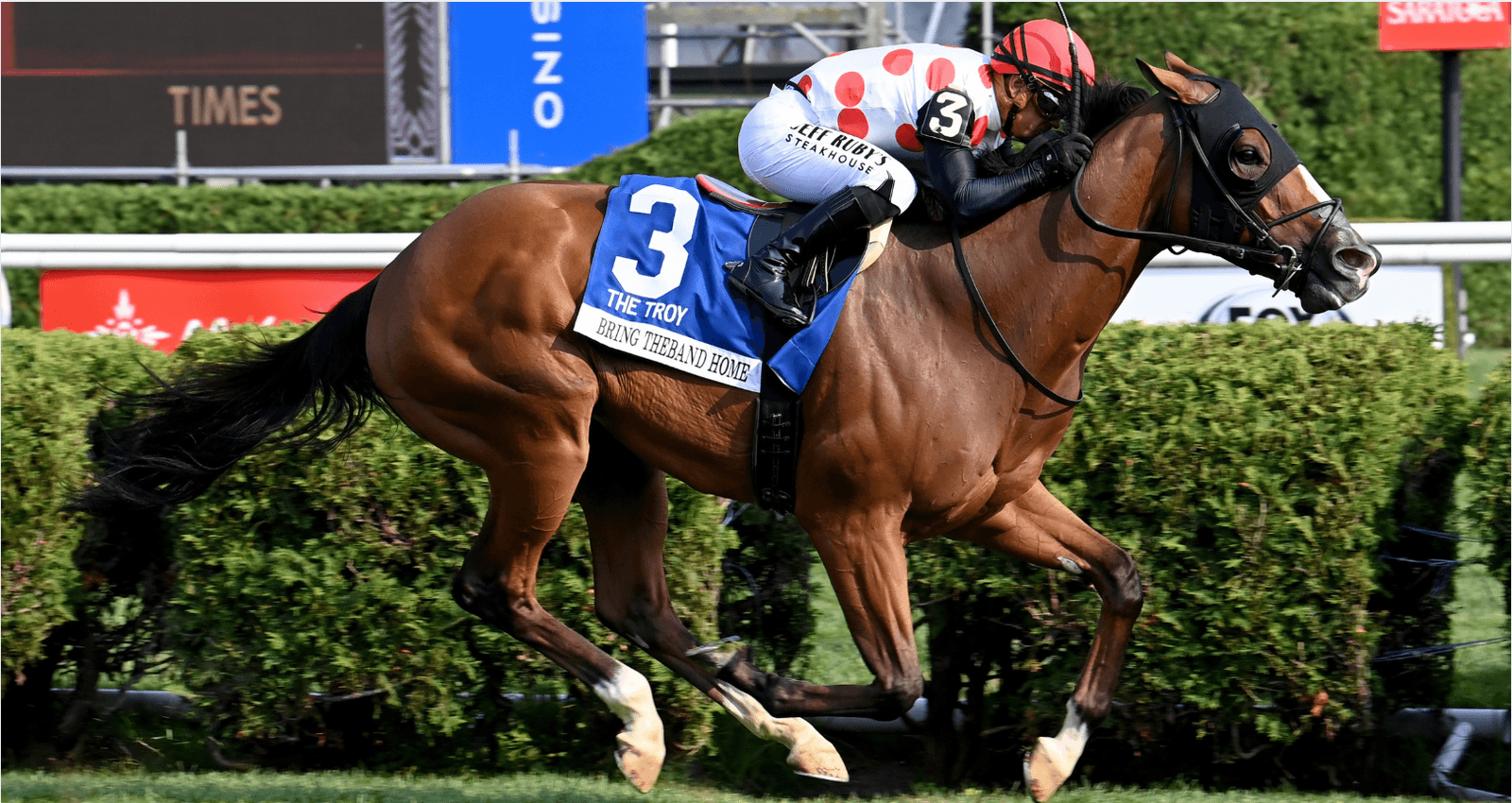
Cross Traffic Moves to Virginia for 2026 Stud Season at Weehaw Farm
Grade 1 sire Cross Traffic will stand the 2026 season at Weehaw Farm in Virginia, a move that strengthens regional breeding options and taps statebred incentives.
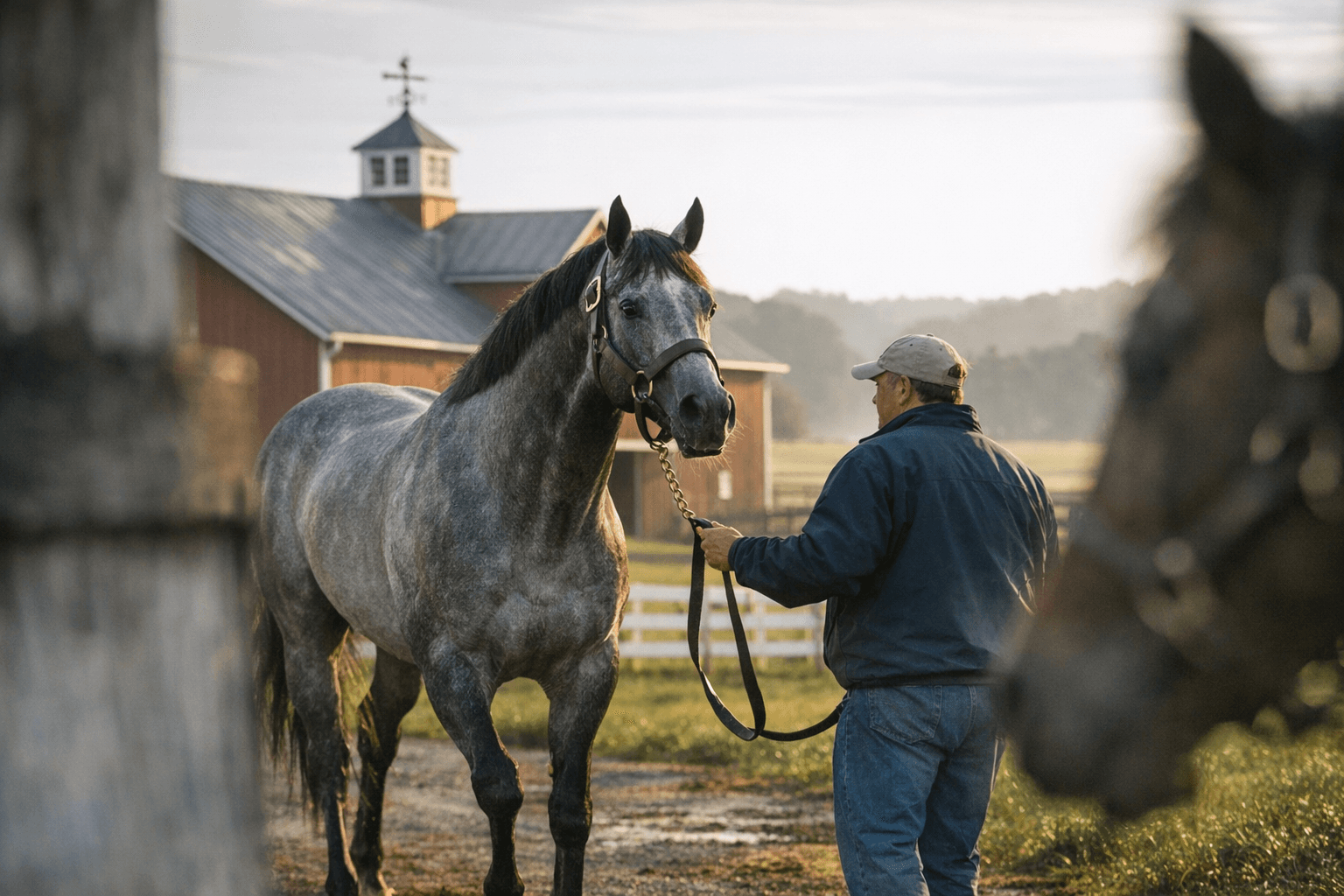
Cross Traffic, the Grade 1-winning son of Unbridled's Song, will stand the 2026 breeding season at Weehaw Farm in Berryville, Virginia, owner John Funkhouser confirmed. Announced January 23, the relocation follows plans to place the 17-year-old stallion at Mt. Airy Farm that fell through, and Funkhouser chose Weehaw for its facilities and its proximity to his O’Sullivan Farms operations in West Virginia.
The move is immediately significant for breeders tracking stallions with proven commercial appeal. Cross Traffic began his stud career at Spendthrift Farm in 2015 and was the leading freshman sire of 2018, a title highlighted by Jaywalk, his Breeders’ Cup Juvenile Fillies winner. From nine crops, Cross Traffic has produced 271 winners and progeny earnings reported in the $20 million to $30 million range, figures that underline both consistency and marketable results.
From a performance perspective, Cross Traffic’s record as a sire carries tangible selling points. Jaywalk remains the marquee example of top-level juvenile success from his first crop, and the presence of stakes winners in his lineup gives Virginia breeders a competitive option when building statebred and open-market matings. For regional programs, a stallion with proven Grade 1-producing offspring boosts the perceived quality of statebred stock and can elevate yearling and broodmare values within the state.
Business dynamics drove the decision. Weehaw Farm’s facilities and location near West Virginia mean easier logistics for O’Sullivan Farms and for mare owners in the Mid-Atlantic and Appalachian regions. The arrangement also reflects a wider trend in the Thoroughbred breeding industry: established stallions moving to regional farms to capitalize on state incentives and localized demand. Those shifts respond to both economics and policy - statebred programs offer purse supplements and nomination advantages that can make regional stallions more attractive to broodmare owners focused on maximizing returns.
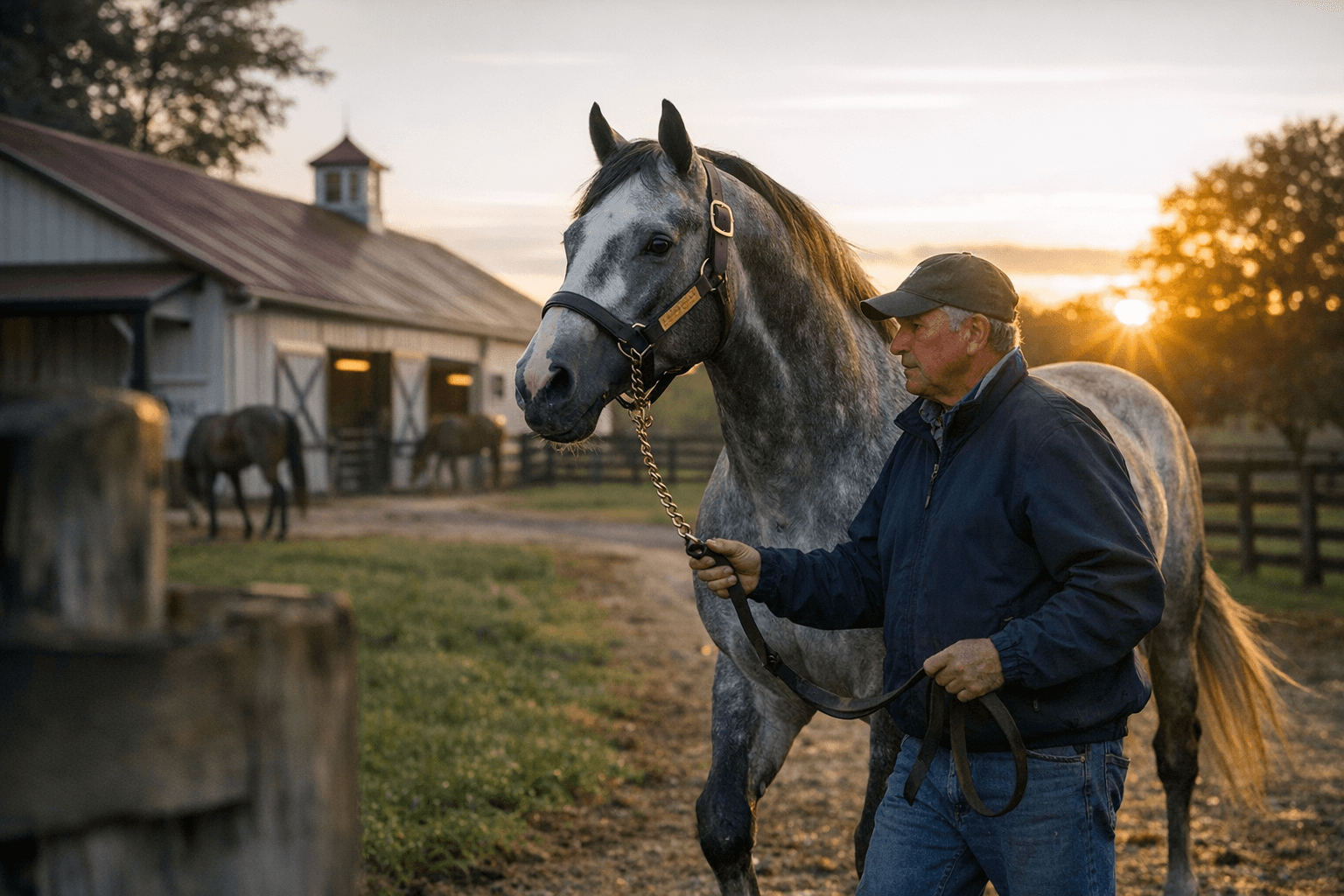
Culturally and socially, Cross Traffic’s arrival could stimulate Berryville’s equine economy. Increased stallion traffic supports ancillary services - agri-vets, farriers, feed suppliers and transporters - and can draw buyers and consignors to Virginia sales rings. For small and mid-size breeders, access to a proven sire without sending mares across the country reduces costs and encourages local investment.
Looking ahead, the key metrics to watch will be the size and composition of Cross Traffic’s book at Weehaw, early season coverings, and the response from Virginia breeders eager to leverage statebred programs. If his progeny continue to win at stakes level, the move could reshape regional pedigrees and give Virginia-based operations a higher profile in national sales and racing circuits.
This article was produced by Prism’s automated news system from verified source data, official records, and press releases, then run through automated quality and moderation checks before publishing. The system is built and supervised by the people who set the standards it runs under. Read our full AI policy.
Did this article answer your question?