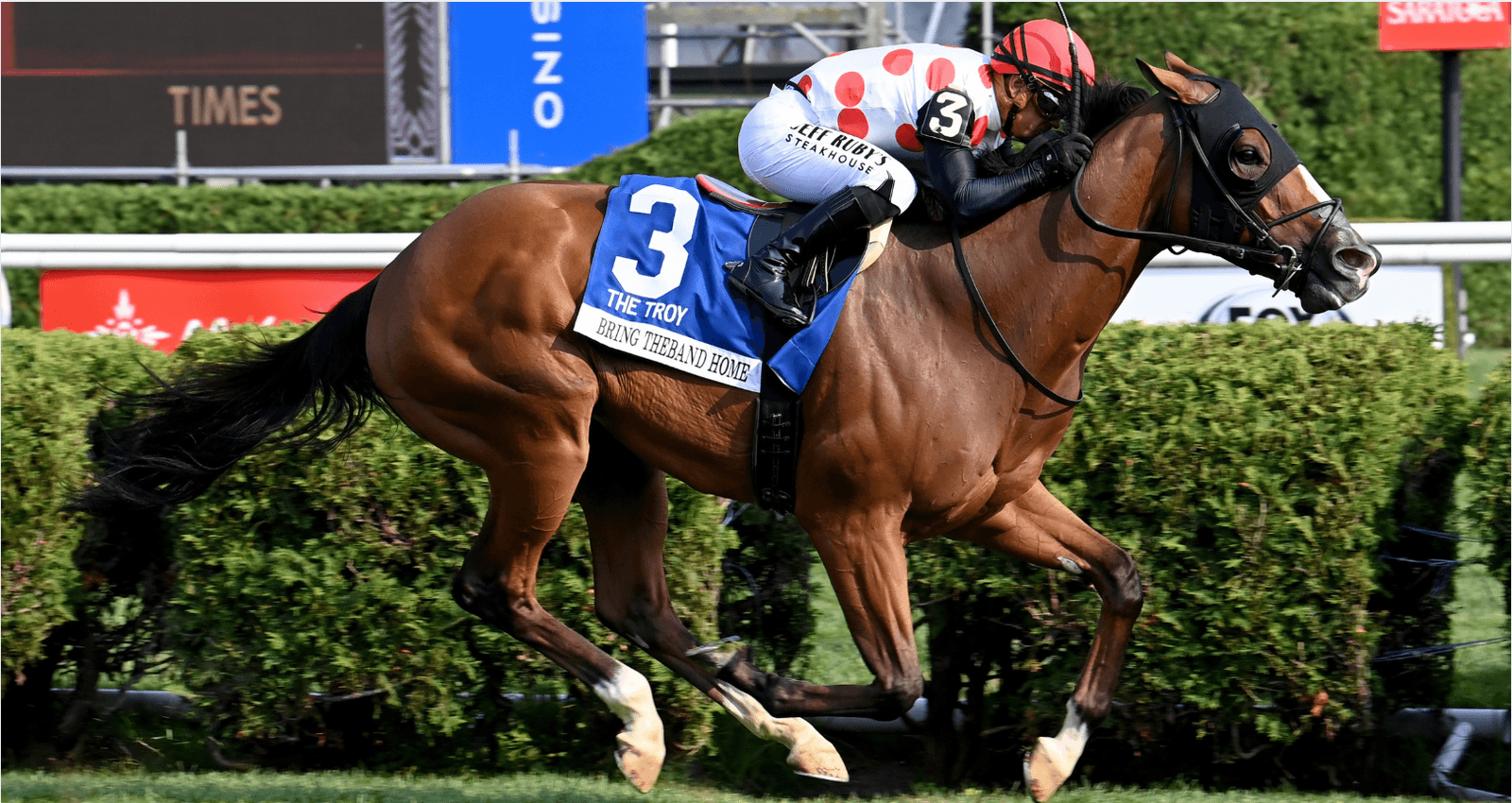
Dan Skelton defends careful handicap planning amid racing success
Dan Skelton has turned patient handicap plotting into a title-winning edge, passing £4 million in prize money and sealing Britain’s jumps crown after Aintree.
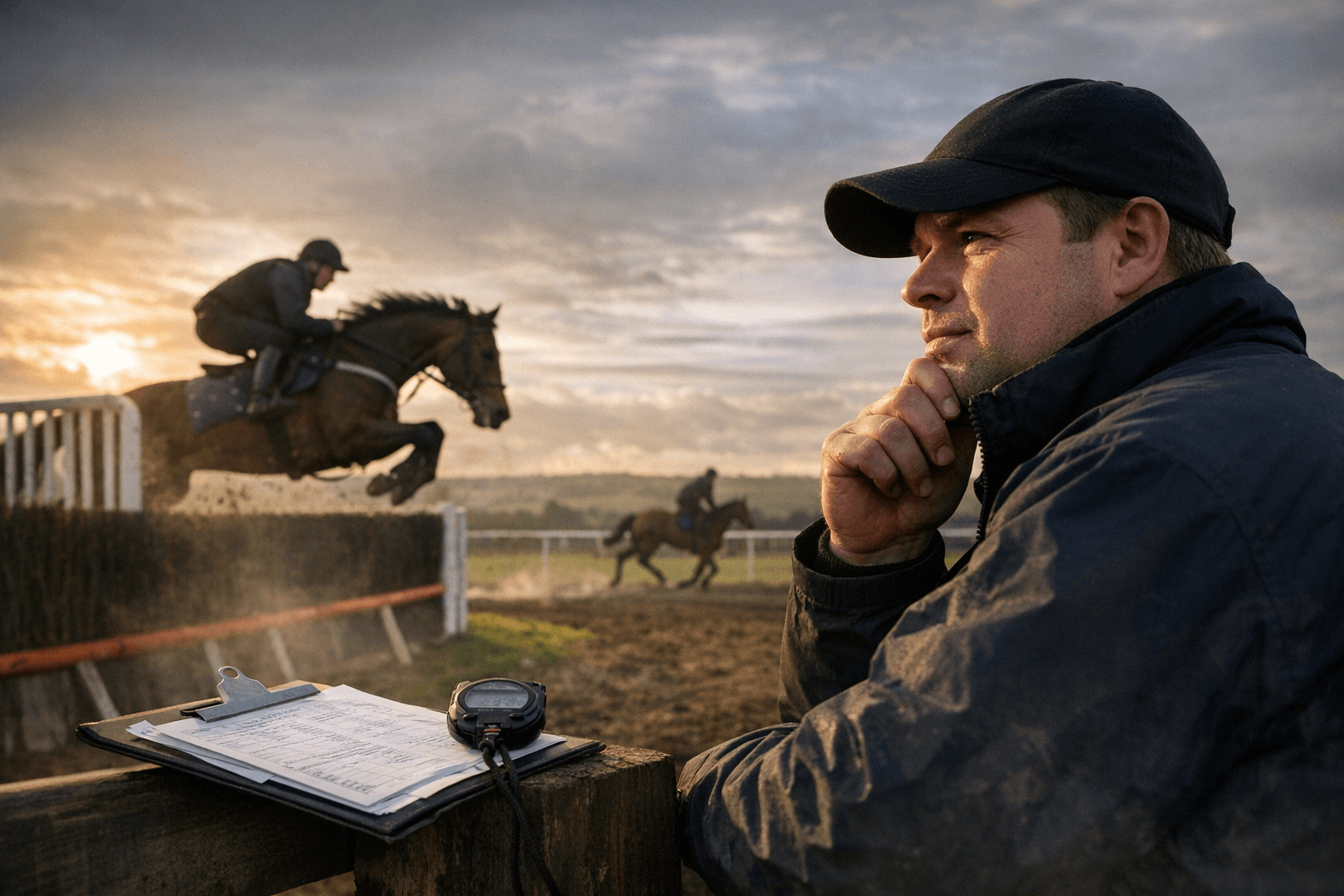
Dan Skelton’s success is forcing an old racing argument into the open: is he simply placing horses cleverly, or is he showing how modern handicap campaigning really works? The answer may be both. After Aintree’s Grand National meeting left him unassailable, Skelton became Britain’s champion jumps trainer for the first time, while his season tally climbed to £4,762,920 and he became the first trainer to break through £4 million in British prize money in the 2025-26 campaign.
That scale matters because it is not built on one-off fireworks. It is built on timing. Skelton’s team has made a habit of peaking horses once a season, then carrying that form through the spring, and the results have been hard to ignore. Madara won the Cheltenham Plate by seven and a half lengths after Skelton had marked him down as one of his best chances of the week, then said the horse had been laid out for the race after finishing second at Cheltenham in December 2024. Supremely West went one better in the 24-runner Pertemps Network Final Handicap Hurdle at Cheltenham after what Skelton described as a patient campaign, with the plan in place from the moment the horse qualified.
That approach is exactly why rivals and punters read so much into Skelton’s declarations. He had already argued in January 2025 that Aintree should be moved to the end of the season, a view that fitted the way he has trained his horses to stay fresh for spring targets. In practical terms, that means top yards are not just aiming to win today. They are mapping a horse’s year around a single prime objective, then using races such as Cheltenham or Aintree as staging posts rather than end points.
The pattern is visible across the yard. Langer Dan became the only back-to-back Coral Cup winner in Cheltenham history, while Grey Dawning and Unexpected Party have also shown how precisely Skelton can target a handicap. He learned his trade with Paul Nicholls, and he has now overtaken his former mentor’s championship-winning prize-money benchmark after L’Eau Du Sud earned £42,440 by finishing third in the Champion Chase at Aintree. That was more than a stat line; it was another sign that the Warwickshire operation has become a force built on planning, patience and spring timing.
The wider backdrop only sharpens the picture. Willie Mullins remains the major rival, but Skelton has kept his yard in form throughout the season and has spoken about focusing on what he could control as the title race tightened. After the 23-5 Prestbury Cup defeat for Britain in 2021, Cheltenham also carried a stronger political charge for British trainers, and Skelton has become one of the clearest figures in that response. His success suggests the real lesson for fans is simple: in top-level jumps racing, the best yards do not just find winners, they schedule them.
This article was produced by Prism’s automated news system from verified source data, official records, and press releases, then run through automated quality and moderation checks before publishing. The system is built and supervised by the people who set the standards it runs under. Read our full AI policy.
Did this article answer your question?