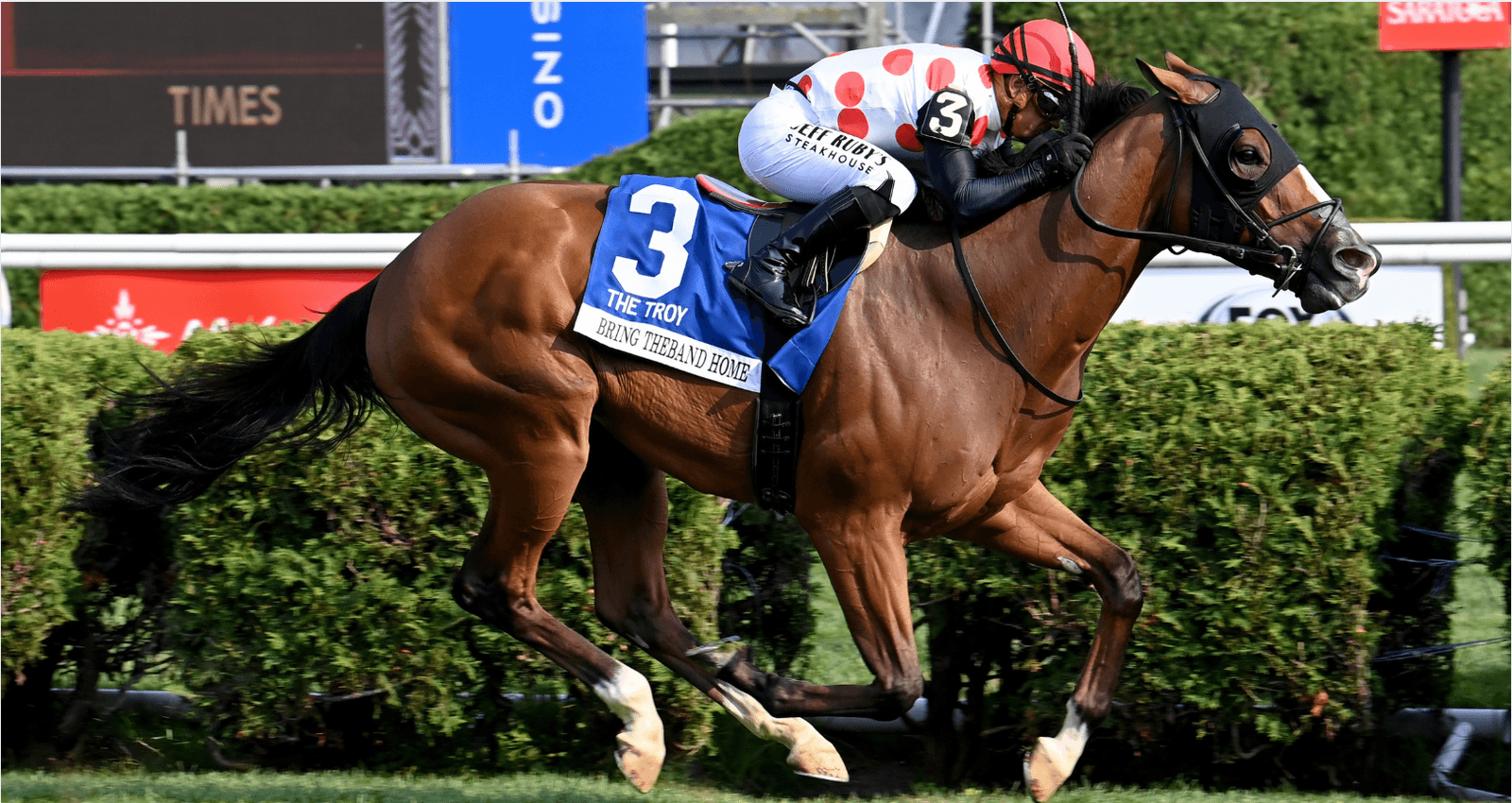
David Aragona Breaks Down Kentucky Derby Pace, Contenders Ahead of Draw
Aragona’s pace map suggests a Derby without much built-in speed, making the draw and trip as important as raw talent in a 20-horse field.
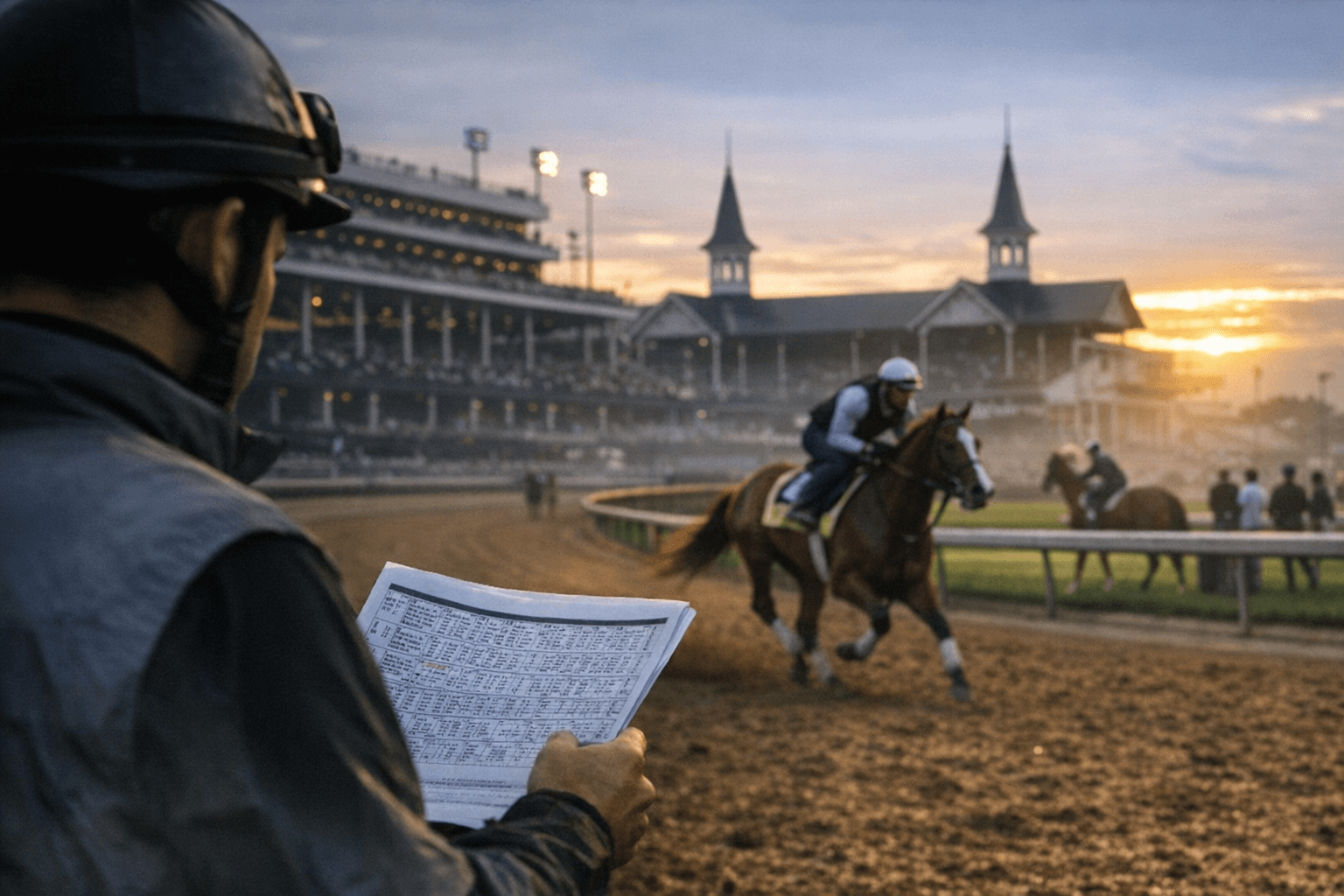
The Derby pace picture may hinge on who wants the lead first
David Aragona’s latest read on the Kentucky Derby is less about labels and more about traffic. By sorting the prospective runners by running style, he is pointing readers toward the real question that will shape the 2026 race at Churchill Downs: will the first half-mile be honest enough to set up the closers, or soft enough to let the best-positioned horses steal the day?
That question matters because the field is now set. The top 20 are guaranteed their spots in the starting gate, with 17 coming from the main Road to the Kentucky Derby leaderboard and as many as three more from the international pathway. Since 1975, Churchill Downs has capped the Derby at 20 starters, and this year’s race is expected to have a full gate again. In a race this crowded, the break, the first turn and the first trip through traffic can matter as much as the horse with the strongest final furlong.
Why the draw is the first major Derby test
The post-position draw on Saturday, April 25, during Derby Week Opening Day is the first moment when the pace puzzle starts to take shape. Churchill Downs opens the gates at 11:30 a.m. ET, with the first race set for 12:45 p.m. ET, and both the Kentucky Derby and Kentucky Oaks post-position draws are part of that program. With the field already locked and the leaderboard finalized after the qualifying races, the draw will tell bettors and horseplayers which contenders must overcome outside pressure and which ones might land in a trip that lets them save ground.
That is why Aragona’s running-style breakdown is so useful now. When a Derby field may not have obvious early speed, the post can either become a major advantage or a dangerous trap. A horse that draws well and breaks sharply can control the kind of trip every Derby runner wants, while a horse caught wide or pinned behind slower rivals can lose precious ground before the race even reaches the backstretch.
The names at the center of the pace discussion
Brad Cox enters the final stretch with more than one legitimate player, and that alone complicates the pace map. Commandment, the points leader with 150, sits at the top of the standings, while stablemate Further Ado is right behind on 135 points. Further Ado’s stock rose sharply after an 11-length Blue Grass victory that earned a division-best 106 Beyer Speed Figure, and Daily Racing Form lowered him to co-second choice at 5-1 after that performance.
The rider assignments matter too. John Velazquez has the mount on Further Ado, Luis Saez is on Commandment and Irad Ortiz Jr. remains aboard Renegade for Todd Pletcher. Those are the kinds of changes that can shape a Derby trip long before the field leaves the gate, because a rider’s willingness to send, wait, or settle can turn a neutral pace into a fast one in a hurry. Around them, the Derby picture also includes qualifiers from barns led by Bob Baffert, Kenny McPeek, Chad Brown, Doug O’Neill and Mark Casse, which adds even more layers to a field that is still being sorted by style as much as by numbers.
What happens if the fractions get hot
If the early pace turns aggressive, the race begins to favor horses that can sit just off the first wave and keep coming. In a 20-horse Derby, that usually means the runners that are not forced into the first fight for the lead but still stay close enough to avoid giving away too much real estate. A hot pace can also punish any horse that expends too much energy trying to secure position too early, especially after a messy break or a long run into the first turn.
That is the scenario where Aragona’s analysis becomes most valuable for everyday Derby readers. If multiple riders decide they have to be forward, the race can unravel into a stamina test, and the horses with the best late punch gain the edge. But if the speed is spread thin and nobody commits hard enough, the race can stay deceptively manageable, which changes the value of every running style in the field.
What happens if the early pace stays soft
A softer pace creates a different kind of pressure. Instead of a meltdown, the race can become a positioning contest, with the horses that break cleanly and secure the first flight getting first run on the field. That kind of setup makes the draw even more important, because it rewards tactical speed, efficient rail work and riders who can place their mounts without wasting ground.
That is where a horse like Commandment, with his 150-point resume, and a horse like Further Ado, fresh off that Blue Grass breakthrough, become even more interesting. The race could come down to which contender can turn a good break into a clean stalking trip rather than asking a runner to make up too much ground after the fact. Renegade, with Irad Ortiz Jr. aboard, also sits squarely in that conversation because a disciplined, forward trip can be just as dangerous as a late charge if the pace does not collapse.
A Derby week that already has extra shape
The calendar around the race adds another layer of anticipation. Sunday Funday on April 26 marks the first Sunday racing during Derby Week since 2010, so the week is stretching beyond the usual sprint toward the first Saturday in May. That gives the sport a longer runway to dissect the draw, study the pace map and debate whether the race profile is leaning toward speed, stamina or something in between.
What Aragona is really offering is a road map for how the Derby could unfold from the break to the far turn. If the early fractions are too hot, the closers get their chance. If they are too soft, the horses with position and tactical speed can make the rest of the field chase them. In a 20-horse Derby, that difference is everything, and the draw on April 25 may tell the story before the gates ever spring on May 2.
This article was produced by Prism’s automated news system from verified source data, official records, and press releases, then run through automated quality and moderation checks before publishing. The system is built and supervised by the people who set the standards it runs under. Read our full AI policy.
Did this article answer your question?