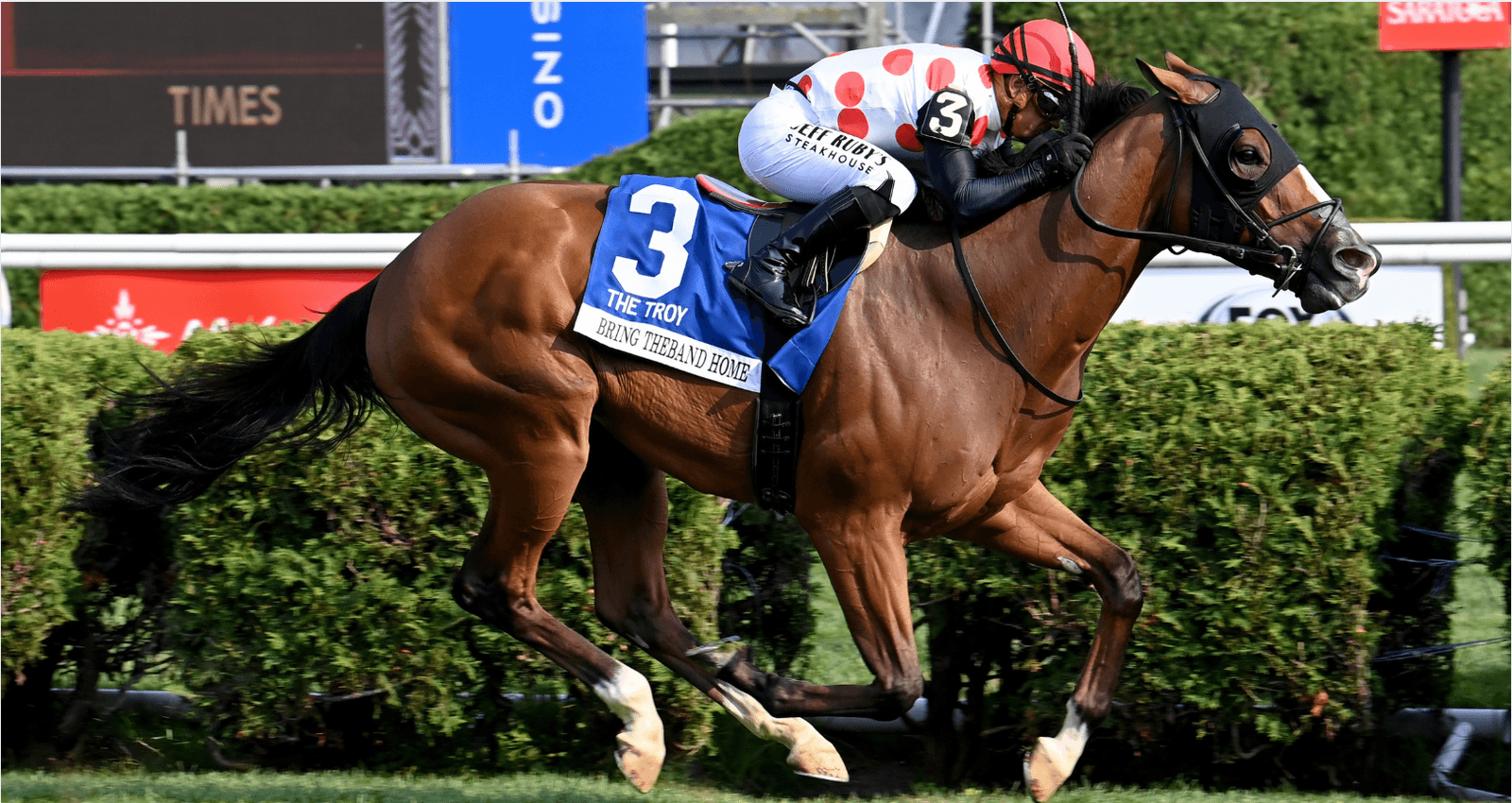
Deep Kentucky Oaks field, top fillies separated by little on Beyers
The Oaks looks more like a puzzle than a coronation, with nine fillies clustered in the 87-92 Beyer range and the favorites coming in with questions.
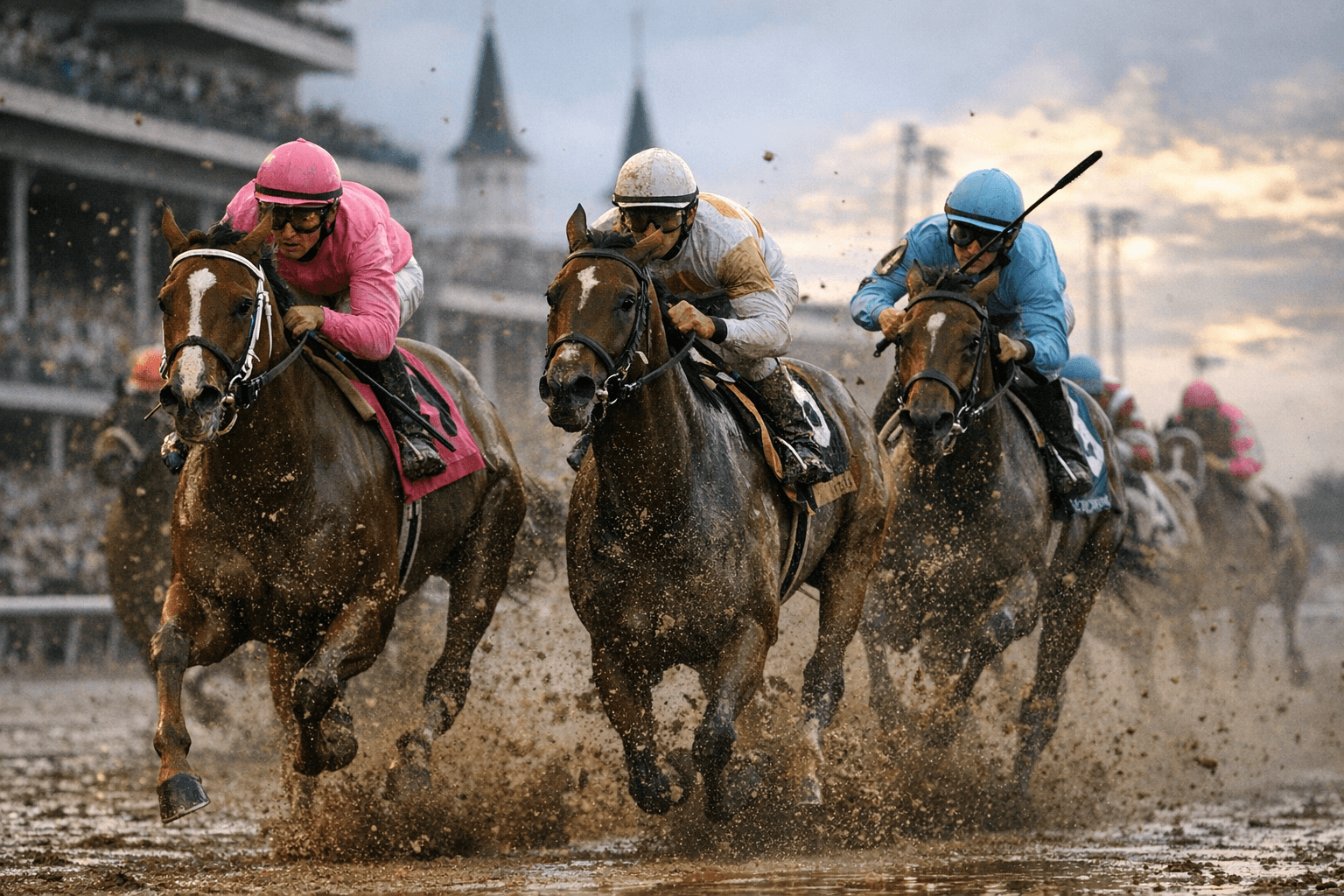
A crowded Oaks where the figures barely separate the field
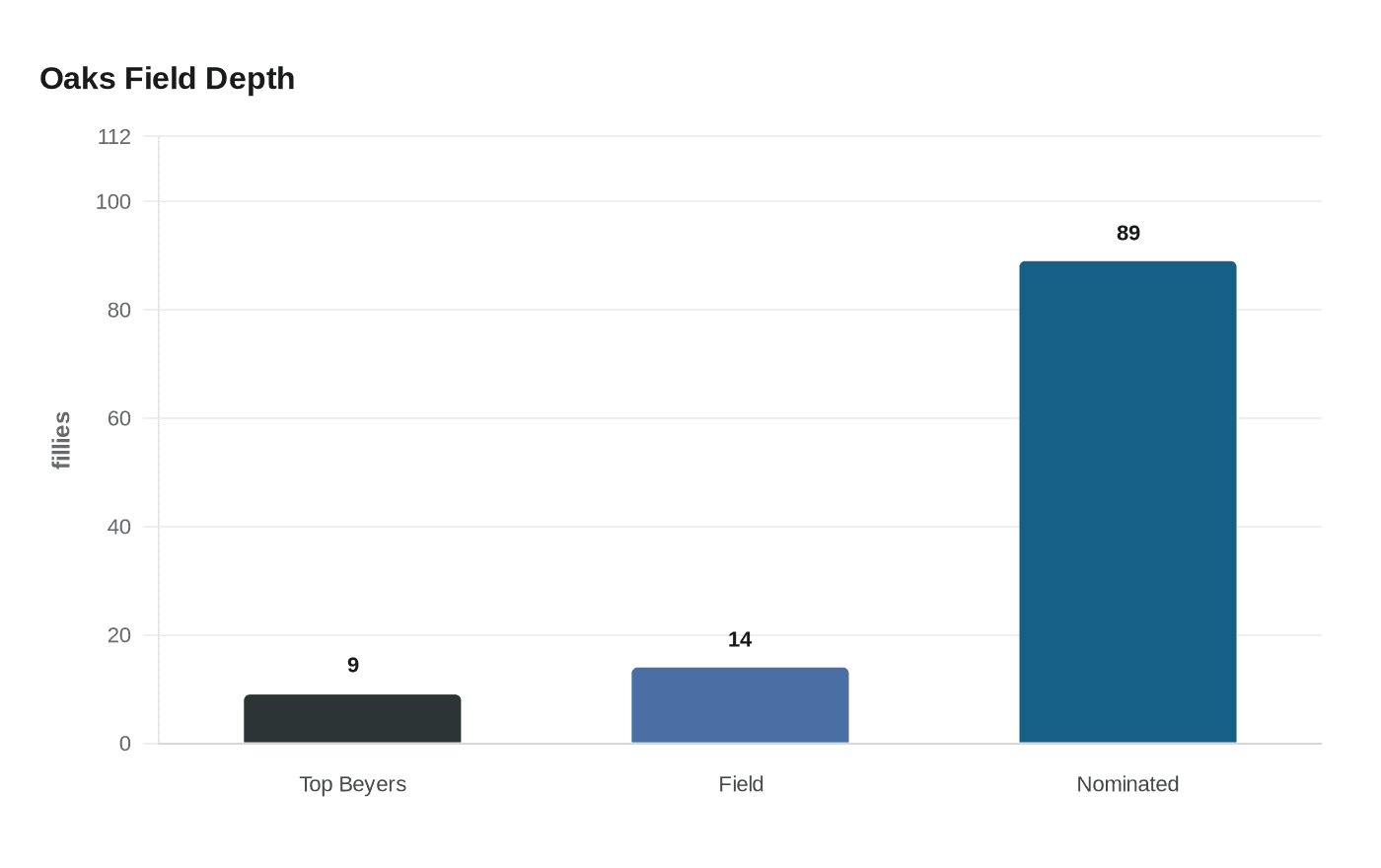
The 152nd Kentucky Oaks has the feel of a race waiting to be solved rather than one ready to be handed to a favorite. Daily Racing Form handicapper David Aragona points to a field where nine of 14 fillies own top Beyers between 87 and 92, a narrow band that leaves very little room between the established names and the live longshots.
That kind of compression matters. When the figures bunch up this tightly, the race often turns on details that do not show up in the headline number: the break, the pace flow, the trip through traffic, and which filly is peaking at exactly the right time. Aragona’s read is that the likely favorites did not fire their best race last out, which opens the door for an upset from a filly whose recent work suggests she is moving forward while the market stays fixed on the more obvious names.
Why the Beyer profile changes the betting shape
In a race with a clear standout, the bettor can lean heavily on class and speed. This Oaks does not offer that luxury. A top Beyer range from 87 to 92 across nine contenders says the separation is thin, and that usually means value lives in interpretation rather than raw ability.
That is where current form becomes decisive. A filly with a slightly lower number can still be the better play if she is improving, worked sharply, and had an excuse in her most recent start. In a race this balanced, a bad trip can matter as much as a four-point figure edge, and the market often overprices the names that look most familiar while underestimating the one that is pointed the right way.
The favorites’ recent underperformance is the key wrinkle. If the public assumes those runners will simply rebound because they are supposed to be the class of the race, the price on a fresher, sharper rival can become attractive fast. That is the kind of betting puzzle the Kentucky Oaks has produced before, and this year’s numbers suggest it is primed for the same kind of uncertainty.
Churchill Downs gives the race its big-stage frame
The race itself is a centerpiece event, not just on the 2026 calendar but in the sport’s annual rhythm. The Longines Kentucky Oaks is set for Friday, May 1, 2026, at Churchill Downs in Louisville, Kentucky, and it carries a $1.5 million purse. Churchill Downs calls it America’s premier race for 3-year-old fillies, and the track is leaning into the occasion with a full Oaks Day program built around the race.
Gates open at 11:00 a.m. ET, and the first race is scheduled for 12:30 p.m. ET. That early start matters because Oaks Day is much more than a single race. The card draws a big audience, the atmosphere builds through the afternoon, and the main event arrives after the entire day has already been shaped by the track’s biggest stage for fillies.
Churchill Downs also continues its Pink Out tradition on Oaks Day in support of breast cancer awareness. The visual identity of the day, paired with the trademark “Lilies for the Fillies” garland awarded to the winner, gives the race a ceremony that stands apart even in a crowded Triple Crown season. The business of the day is high-end racing, but the presentation is part of why the Kentucky Oaks keeps its own cultural weight.
The nomination list shows how deep the crop looked from the start
The race’s depth was no accident. Churchill Downs said in late February that 89 3-year-old fillies were nominated to the 2026 Kentucky Oaks, with Godolphin’s undefeated Bella Ballerina leading the early list. That number signaled immediately that the crop was going to be large, competitive, and potentially messy to handicap.
Bella Ballerina’s unbeaten record made her the first obvious focal point, but the nomination list itself hints at the broader shape of the race. With so many fillies in play early, the path to the starting gate has required proving stamina, class, and resilience across a long spring build-up. The result is a field where early prestige has not translated into a simple hierarchy, and that is exactly why the Beyer clustering matters so much.
Where the separation may actually come from
If the numbers are this close, the edge likely comes from three places: improvement, excuse, and pace. A filly who has progressed in her last two or three starts can outrun a rival with a slightly better peak figure if that rival is flat or vulnerable to regression. A filly who had trouble last time, whether from a compromised trip or an uncomfortable setup, can look far better on paper than she actually ran. And in a race with this much parity, the pace scenario can flip the result in a hurry.
Aragona’s read that several contenders have been breezing sharply at Churchill Downs adds another layer. Works like that matter because they can confirm that a filly is sitting on a forward move even if her last race did not fully show it. In a field where many of the top figures sit in the same narrow corridor, sharper recent drills can be the signal that separates a true contender from one whose best number may already be behind her.
That is also where the wagering angle gets interesting. The most obvious names may attract money because they fit the usual Oaks profile, but a race this level can punish bettors who stop at reputation. If a filly’s recent run was better than it looked, or if her numbers are rising just as the favorites look vulnerable, the upside may be hidden in plain sight.
The case for treating the Oaks like a puzzle, not a script
This Kentucky Oaks does not ask you to search for the superstar. It asks you to sort through a deep field where the margins are tight, the favorites are not arriving in peak form, and the trip may matter as much as the resume. That combination is what makes the race unusually dangerous for anyone expecting the most obvious horse to simply assert herself.
With 89 nominees to begin the season, a $1.5 million purse, a packed Churchill Downs card, and a Beyer spread that leaves little daylight between the best fillies, the 2026 Oaks looks built for a sharp ride, a timely move, or a price that should not be ignored. In a race this compressed, the winner may not be the filly with the loudest reputation. She may be the one who is improving at exactly the right moment.
This article was produced by Prism’s automated news system from verified source data, official records, and press releases, then run through automated quality and moderation checks before publishing. The system is built and supervised by the people who set the standards it runs under. Read our full AI policy.
Did this article answer your question?