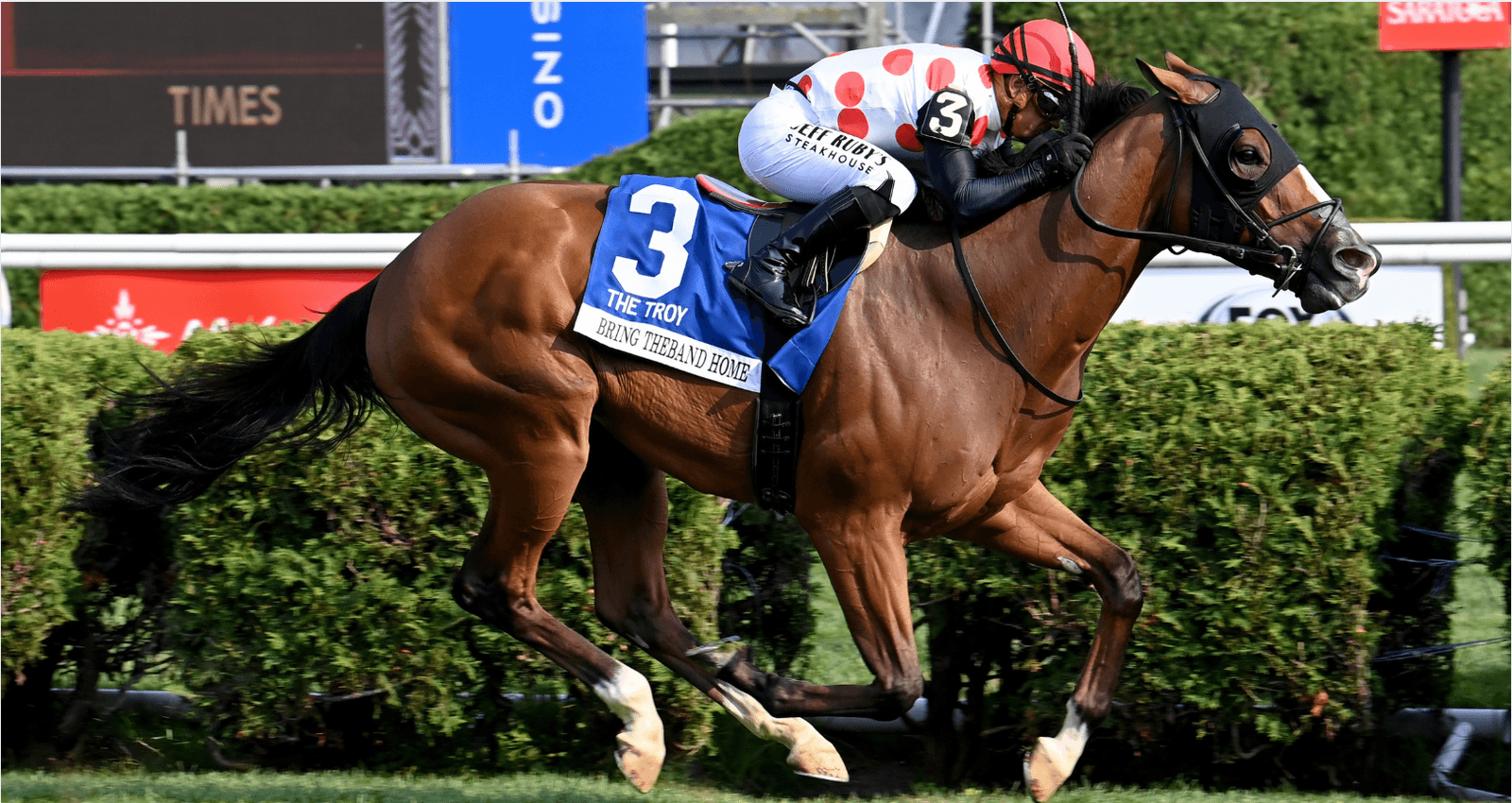
Diamond Knot leads loaded NHK Mile Cup field at Tokyo
Diamond Knot chased Yuichi Fukunaga’s first JRA Grade 1 win as a trainer in a Tokyo mile that often resets Japan’s 3-year-old pecking order.
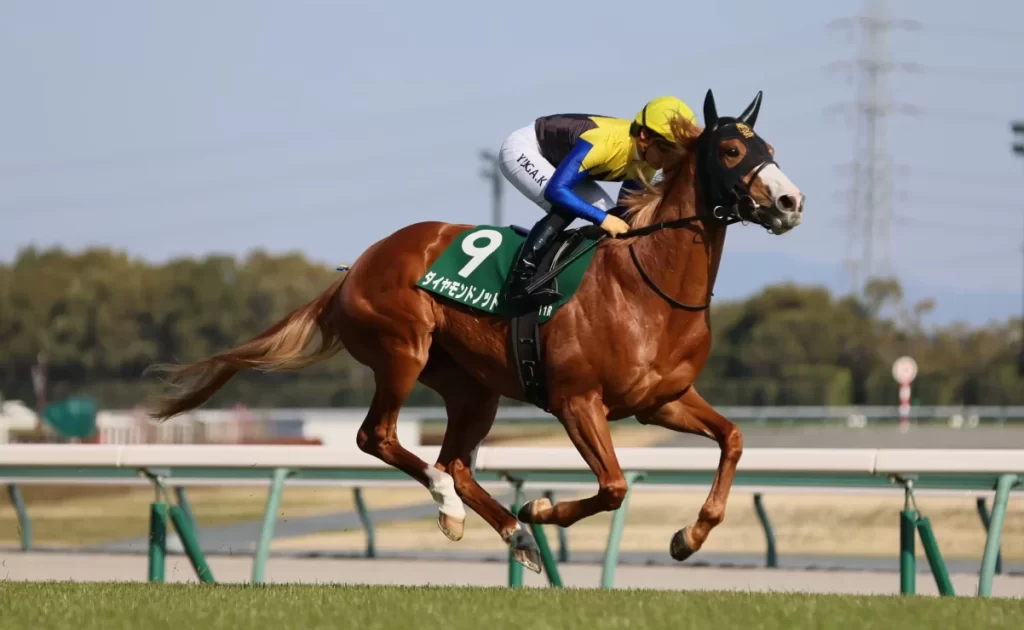
Diamond Knot carried the spotlight into the 31st NHK Mile Cup at Tokyo Racecourse, a 1,600-meter turf Grade 1 that opened a five-week stretch of top-level racing in the capital. Trained by former jockey Yuichi Fukunaga and ridden by Yuga Kawada, the colt arrived off a second-place finish in the 2025 Asahi Hai Futurity Stakes and a win in the Chunichi Sports Sho Falcon Stakes, form that made him the clearest benchmark in a deep field.
The race came down to tempo and the shape of the run to Tokyo’s long straight. The mile starts near the end of the backstretch, and JRA’s course notes make the demand plain: runners need both pace and finishing acceleration to handle the uphill section near the line. That setup put a premium on Diamond Knot’s ability to settle early and finish with enough authority to withstand pressure from Ecoro Alba, Rodeo Drive and the unbeaten Ask Ikigomi, with Cavallerizzo, Admire Quads, Reservation, Thunderstruck and Valsecito also in the mix.
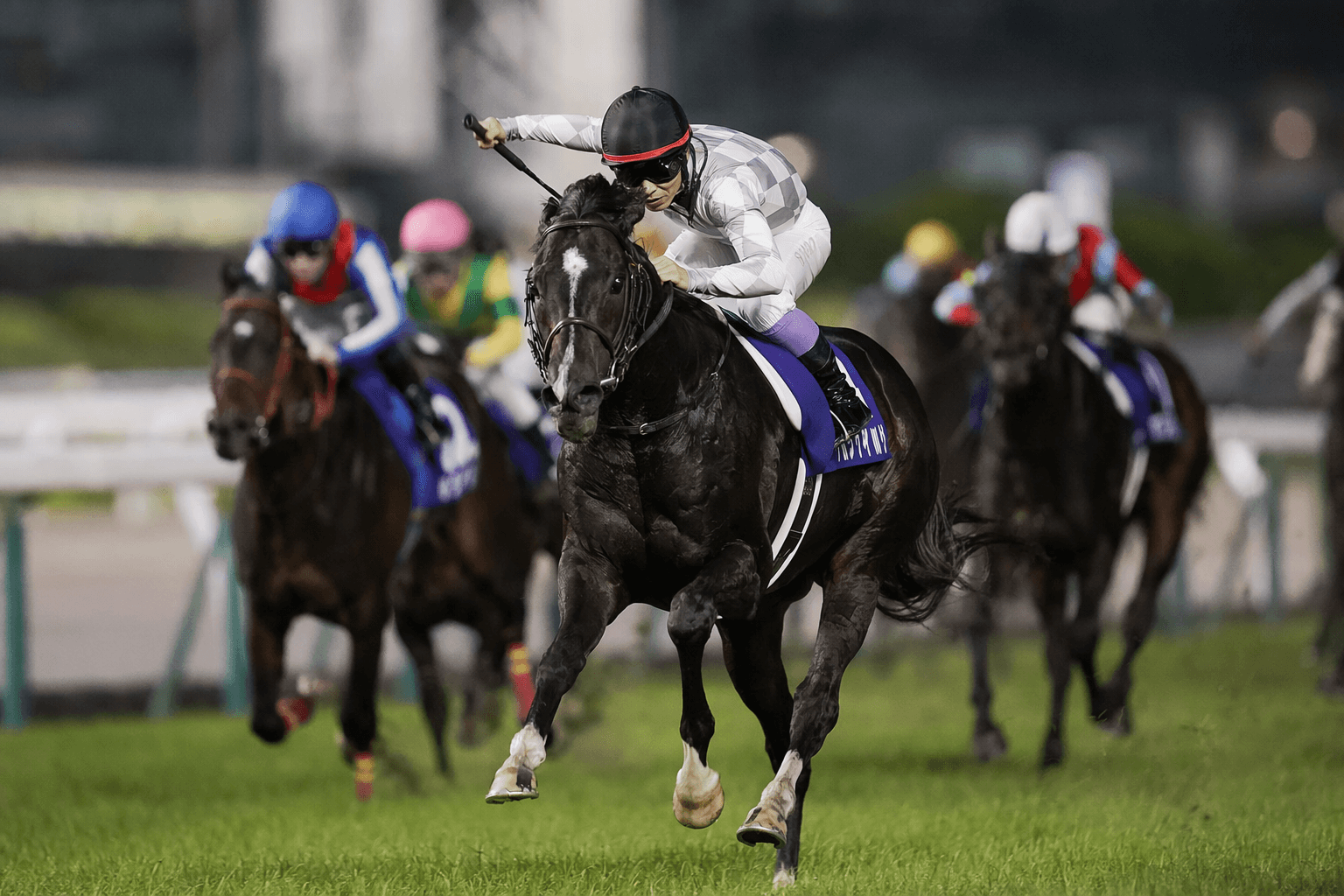
Fukunaga entered with a major personal stake. The NHK Mile Cup offered him a first JRA Grade 1 victory as a trainer, and Diamond Knot gave him a realistic path to it. Kawada’s booking only sharpened that case, especially after the colt’s sharp final work and his status as a dual graded stakes winner.
Beyond the immediate race, the NHK Mile Cup again served as one of Japan’s key sorting grounds for 3-year-old milers. Since its first running in 1996, when Taiki Fortune won the inaugural edition, the race has often marked the point where late-developing sprinter-milers separate themselves from classic-distance horses. It became an international race in 2009, and before 2001 it was the only colt-and-filly Grade 1 open to non-Japanese-bred 3-year-olds, a detail that still underlines its place in the sport’s evolution.
The winner also mattered because recent champions have used this race as a launchpad to bigger things. Panja Tower won in 2025 after Jantar Mantar, Champagne Color, Danon Scorpion, Schnell Meister and Lauda Sion. El Condor Pasa remains the landmark name in the race’s history, winning in 1998 before adding the Japan Cup and major French prizes. Another breakthrough from this year’s renewal would reshape the conversation around Japan’s best 3-year-old miler, and Diamond Knot stood at the center of that argument as Tokyo began its biggest spring sequence.
This article was produced by Prism’s automated news system from verified source data, official records, and press releases, then run through automated quality and moderation checks before publishing. The system is built and supervised by the people who set the standards it runs under. Read our full AI policy.
Did this article answer your question?