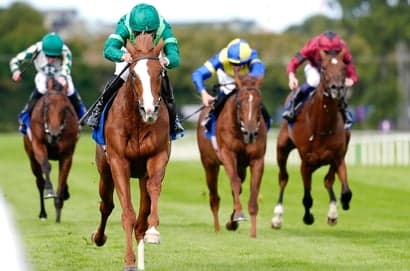
Domínguez champions second careers for jockeys after retirement, injury
Ramon Domínguez turned a traumatic brain injury into a second act focused on helping jockeys find work, support and purpose after riding.

Ramon Domínguez has become one of racing’s clearest voices on a problem the sport too often leaves to chance: what happens to jockeys after the riding stops. In his new role helping riders succeed in second careers, the Hall of Famer is speaking from experience, not theory, after a 2013 spill at Aqueduct Racetrack ended a career that once defined the sport’s top tier.
Domínguez arrived in North America in 1996 and climbed to the peak of the business quickly. He led North American jockeys in earnings in 2012 with a record $25,639,432 and set a Saratoga Race Course single-season wins mark with 68 victories that same year. He retired on June 13, 2013, after the Jan. 18 spill at Aqueduct caused a traumatic brain injury, and the National Museum of Racing and Hall of Fame announced his induction in 2016.
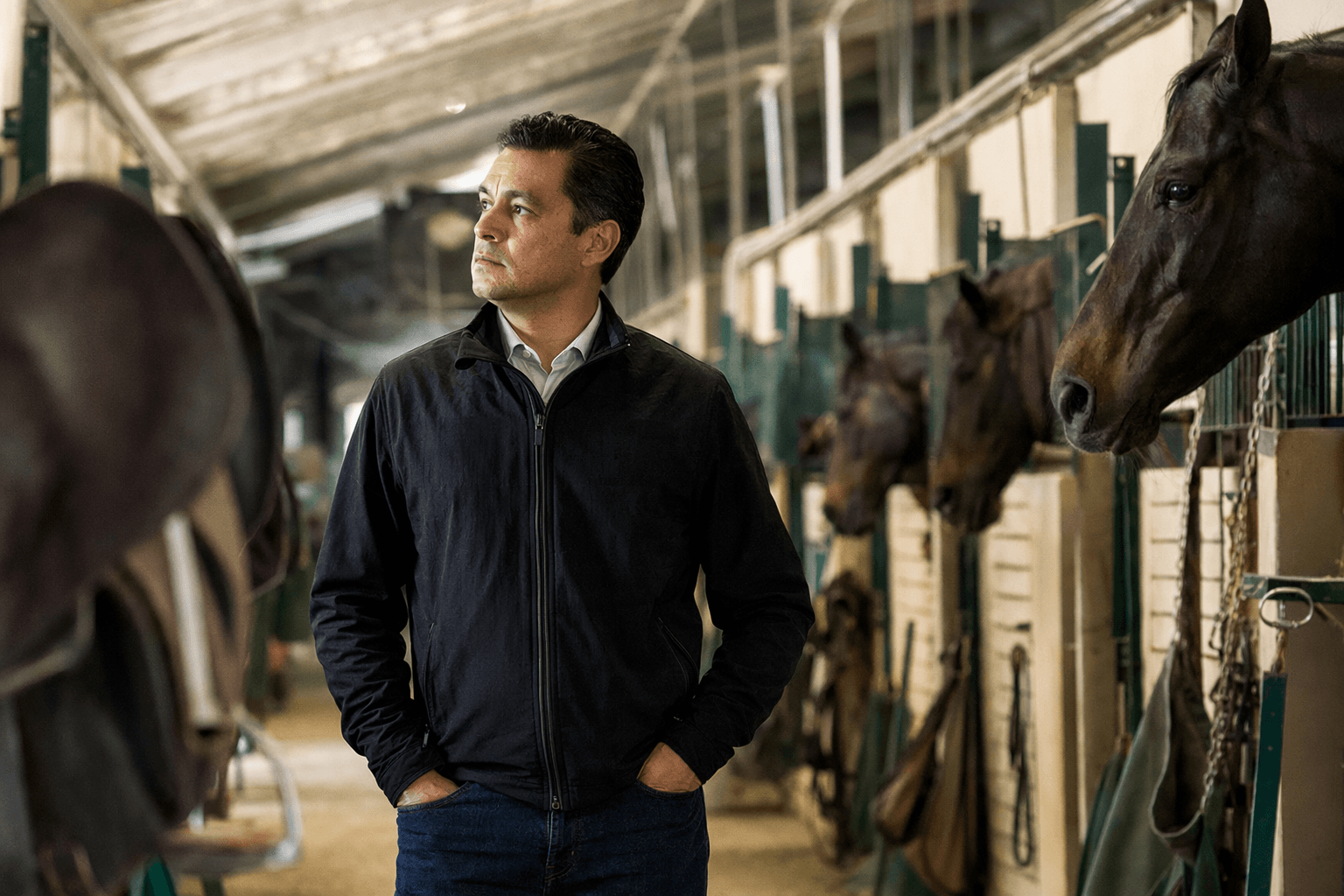
What makes his current work matter is the gap it tries to fill. Racing has long celebrated achievement in the saddle, but the transition out of the saddle can be abrupt, medically complicated and financially uncertain. Domínguez understands that disorientation firsthand. After the accident, he initially wanted to stay away from the racetrack, then slowly found his way back through family encouragement and repeated visits, turning recovery into service.
His post-riding work has already reached several corners of the game. In February 2020, the New York Race Track Chaplaincy of America named him president, a role that put him closer to riders navigating injury, housing, family stress and career uncertainty. He has also been visible through the Permanently Disabled Jockeys Fund, which says it was created in 2006, became a freestanding charity in 2009, supports more than 50 former riders and has dispersed more than $15 million since founding. The group says many of its beneficiaries are former jockeys who suffered paralysis or brain injuries, often in their 20s or 30s.
That broader safety net has deep roots. The Jockeys’ Guild traces its founding to 1940, when riders needed financial aid and protection after injury and had little else. Domínguez’s new role extends that tradition into a newer reality, where second careers, retraining and institutional support matter as much as race-day form. Brooke USA has also named him a Thoroughbred racing ambassador focused on equine welfare, another sign that his influence now stretches beyond results charts and into the long-term health of the sport.
Know something we missed? Have a correction or additional information?
Submit a Tip