Equibase Upgrades Rating Algorithm With Class Anchors, Early Win Boosts
Equibase updated its rating algorithm with class-specific par anchors and a maiden win boost, giving racing offices a sharper tool for writing competitive condition books.
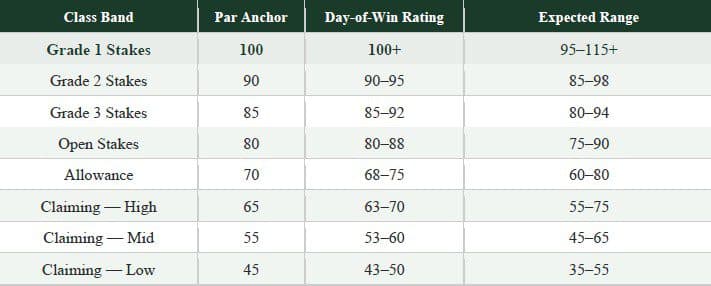
Equibase retooled its horse rating algorithm this week, introducing two targeted fixes that address the system's most criticized blind spots since its debut last fall: a set of class-specific par anchors and an upward adjustment for horses that break their maiden in their first or second lifetime start.
The par anchor change is the more structurally significant of the two. Rather than evaluating a horse's performance against a single universal baseline, the updated algorithm now measures each rating relative to an expected benchmark specific to the race class, spanning the full ladder from Grade 1 stakes down through the lower allowance and claiming tiers. The practical effect is that horses competing at elite levels get credit appropriate to that level, instead of having their marks diluted by comparisons to claiming horses running at a fraction of the conditions.
The maiden winner adjustment tackles a different problem. Under the previous version, a horse that dominated a maiden special weight field on its first or second career start could emerge with a rating that undersold the performance, particularly if the win came against a deep, well-bred field. The revised algorithm flags those early wins and bumps the rating upward to reflect the significance of the result. According to Chance Moquett of Equibase, the changes came directly out of feedback from racing offices and were designed to bring numerical ratings into closer alignment with the qualitative judgment racing secretaries have relied on for decades.
The operational stakes are real. Equibase reported that ratings were already in use at multiple tracks for race-planning purposes before this update, with Keeneland specifically cited. Racing secretaries writing condition books can now lean on a tool that speaks their language more fluently. A horse receiving the early-win boost could move into a higher rating band faster, making it eligible for upper-conditioned races sooner and potentially thinning the field in lower conditions where it would previously have been parked.

For bettors and owners, the adjustment offers a cleaner picture of where a horse actually stands in the class hierarchy. The updated ratings will appear on Equibase entries and past performances, with sample scenarios and a brief Q&A available through Equibase's press materials to walk users through the numerical specifics.
The original rating system launched last fall with broad ambitions to give the industry an objective, data-driven grading tool. Three algorithmic months in, the racing office feedback has already produced a more calibrated version. Whether it fully reconciles the tension between raw performance data and the nuanced class intuition secretaries carry in their heads is the question the next condition book cycle will start to answer.
This article was produced by Prism’s automated news system from verified source data, official records, and press releases, then run through automated quality and moderation checks before publishing. The system is built and supervised by the people who set the standards it runs under. Read our full AI policy.
Did this article answer your question?