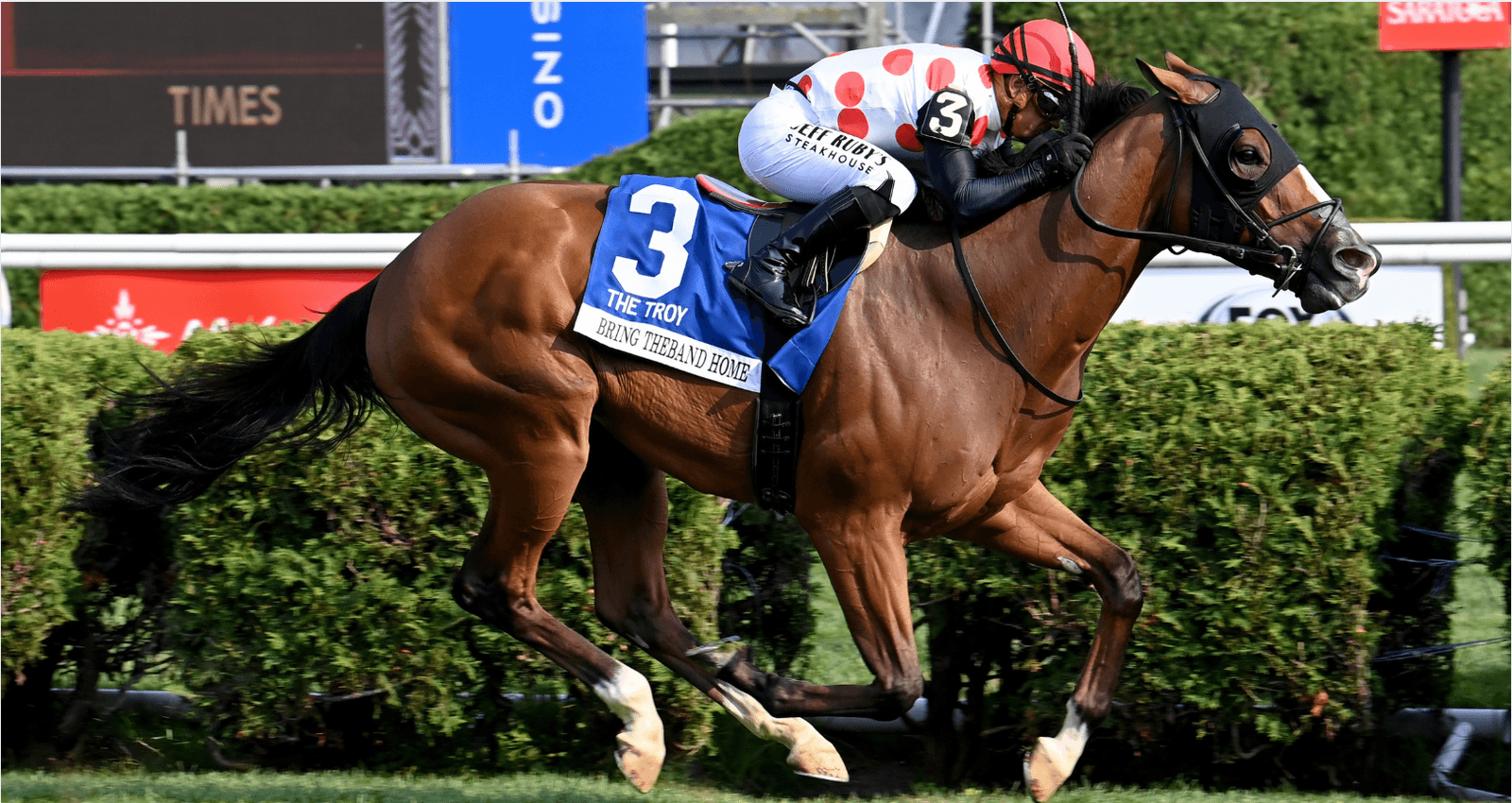
Fasig-Tipton tests untimed under-tack show, new whip rules at Midlantic sale
Fasig-Tipton will strip the stopwatch from Timonium and limit whip use, turning its Midlantic May show into a test of how buyers value raw athleticism.
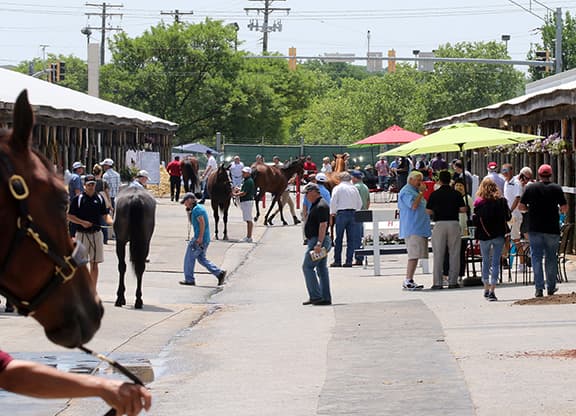
The stopwatch is gone, and so is the old shortcut for sorting 2-year-olds. Fasig-Tipton’s Midlantic May sale will ask buyers to judge horses on stride, balance and finish instead of official breeze times, a change that could expose how much of the juvenile market was built on speed worship rather than horse sense.
The under-tack show is set for May 12-14 at the Maryland State Fairgrounds in Timonium, Maryland, with the auction following on May 18-19 after the Preakness Stakes. Fasig-Tipton cataloged 593 entries, making this one of its deepest Midlantic May fields in years and giving the company a large test sample for a format that removes one of the market’s loudest signals.
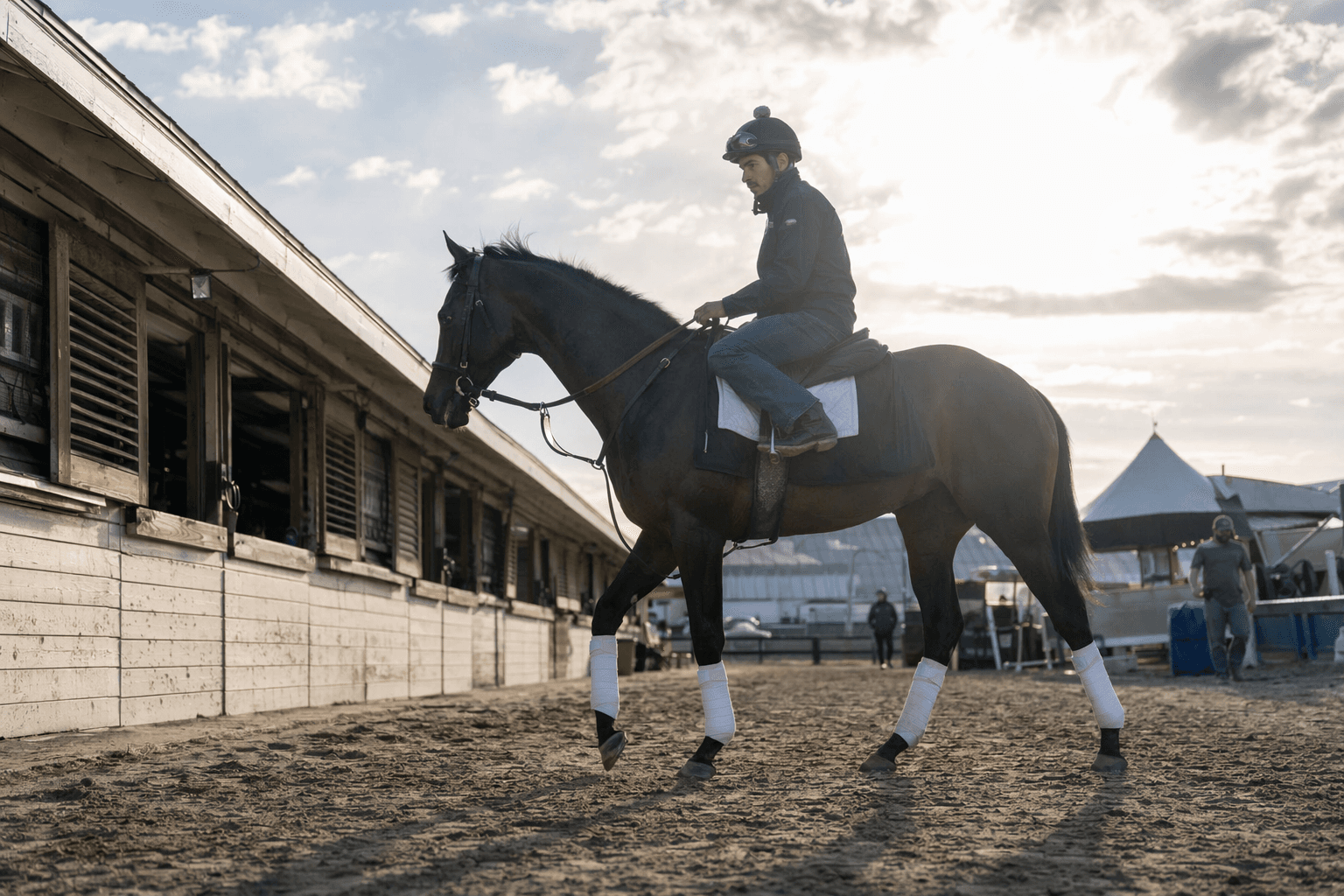
Under the new rules, Fasig-Tipton will not officially clock breezes or publish times. Riders may not remove their hands from the reins to strike a horse, and the only permitted contact is a shoulder tap with both hands still on the reins, except in true safety situations. That matters because it changes the presentation as much as the product: consignors will have more room to breeze or gallop a horse in the way that best suits its makeup, while buyers will have to lean harder on visual evaluation instead of numerical ranking.
That shift creates winners and losers. Buyers who trust their eyes, read body language and understand how a horse finishes will have more leverage. Pure speed shoppers lose the edge that comes with sorting a catalog by stopwatch. So do sellers whose stock looked better with a bullet work than with a longer, less spectacular trip. Fasig-Tipton is betting that the market has become too dependent on a number that can flatten differences between horses with different development paths.
The company’s argument is not just philosophical. It points to the 2025 Midlantic May sale, when severe weather forced the final under-tack day to be run as untimed gallops and breezes. That auction still set records for gross, average and median, produced four seven-figure horses, and was topped by a $1.1 million Girvin filly. Fasig-Tipton says the reaction from buyers and consignors was overwhelmingly positive, and that result is the real pressure point: if horses can still bring serious money without official times, the industry may be looking at a correction to a speed-obsessed flaw in the juvenile market.
The sale also adds enhanced welfare policing, with an onsite Safety Officer, veterinary review for flagged horses and a probationary process before a horse can preview again. Fasig-Tipton is presenting the change as a cleaner, safer way to evaluate athleticism. The real question is whether Timonium becomes the model for a better market or the start of an information gap that rewards insiders who already know how to read beyond the clock.
This article was produced by Prism’s automated news system from verified source data, official records, and press releases, then run through automated quality and moderation checks before publishing. The system is built and supervised by the people who set the standards it runs under. Read our full AI policy.
Did this article answer your question?