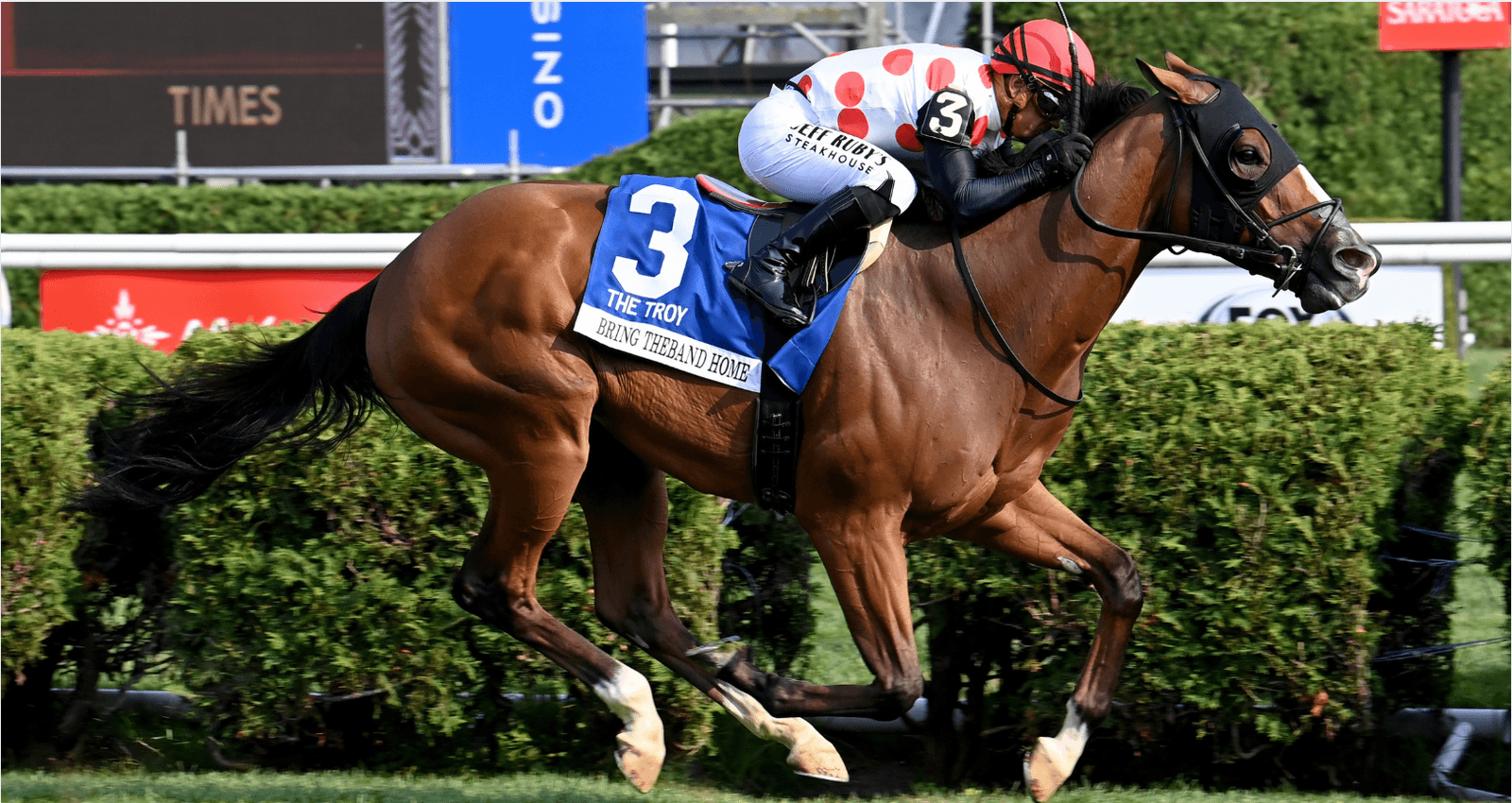
Finley Urges Racing Industry to Make SAFE Act Central to Aftercare Debate
Bill Finley says the industry must make passage of the Save America’s Forgotten Equines Act central to aftercare, arguing the bill would block "killer" buyers from exporting horses for slaughter.
Bill Finley used his March 8, 2026 Week In Review column in Thoroughbred Daily News to press a single remedy for the sport’s persistent aftercare and slaughter problem: make passage of the Save America’s Forgotten Equines Act central to the debate. Finley framed the SAFE Act as both a political and practical vehicle for meaningful change and argued its passage would create an "insurmountable roadblock" to buyers who send horses across U.S. borders to slaughterhouses.
Finley framed his call in the context of growing pressure from influential owners. He wrote, "It is, of course, a good thing, that the subjects of aftercare and slaughter are being so widely debated, with influential owners like Mike Repole and Aron Wellman all but demanding that the industry come together and solve the problem." Finley highlighted recent industry activity, noting that Repole and Wellman have pushed the issue into public view and that Repole has been working directly with Pat Cummings on concrete proposals.
Just days earlier, Finley reported, Pat Cummings "penned a letter to the TDN in which he revealed what he called '20 concise findings, with a funding model projection' that he and Repole have put together." Finley praised that work bluntly: "Good for Cummings. Good for Repole." The column did not reproduce Cummings’ findings, but Finley used the letter to underline that private funding models and diagnostics are now part of the conversation alongside calls for legislation.
Finley also singled out owner John Stewart and his family for their role in aftercare efforts. "Owner John Stewart and his family have also lent their hand to the aftercare cause and have been a positive force when it comes to keeping horses out of the slaughter pipeline," Finley wrote, using Stewart as an example of owners acting to stem the flow to slaughter.
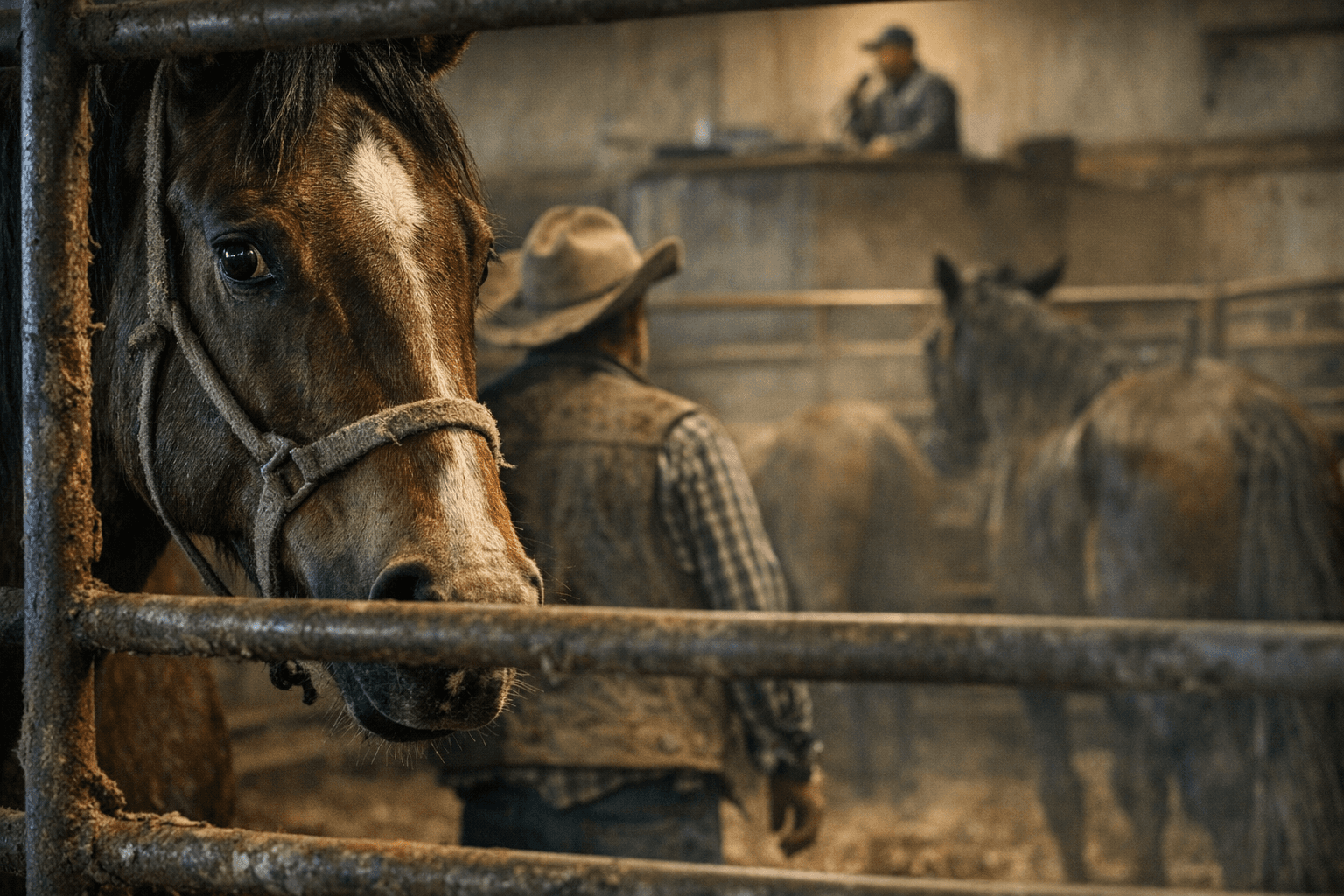
Finley’s prescription for industry action was unequivocal. "That's the key to this bill. If 'killer' buyers are kept from sending horses across our borders to slaughterhouses they will be encountering an insurmountable roadblock that they won't be able to get around. Passage of the SAFE Act would make a huge difference and go a long way toward solving a problem that the industry continues to fumble. It's a no-brainer," he wrote, framing passage as the clear legislative lever the sport has yet to use decisively.
The column leaves two practical questions for the industry and its backers: turn the attention of high-profile owners into sustained pressure on lawmakers, and produce the full details of Cummings and Repole’s "20 concise findings" and funding model so policymakers can evaluate how the SAFE Act would interact with industry-led aftercare programs. Finley’s March 8 commentary makes clear that within racing the stakes are now defined: influential owners are mobilized, a legislative fix is named, and the next step is whether the sport can translate influence into the vote that Finley says would be "a no-brainer.
This article was produced by Prism’s automated news system from verified source data, official records, and press releases, then run through automated quality and moderation checks before publishing. The system is built and supervised by the people who set the standards it runs under. Read our full AI policy.
Did this article answer your question?