Former Exercise Rider Brian Nielsen Advances Applied Science for Racehorse Bone Health
Brian Nielsen's 2017-2019 calf study found sprinting about 75 yards once a week for six weeks increased bone-breaking strength by 25%, a finding he ties directly to racehorse safety.
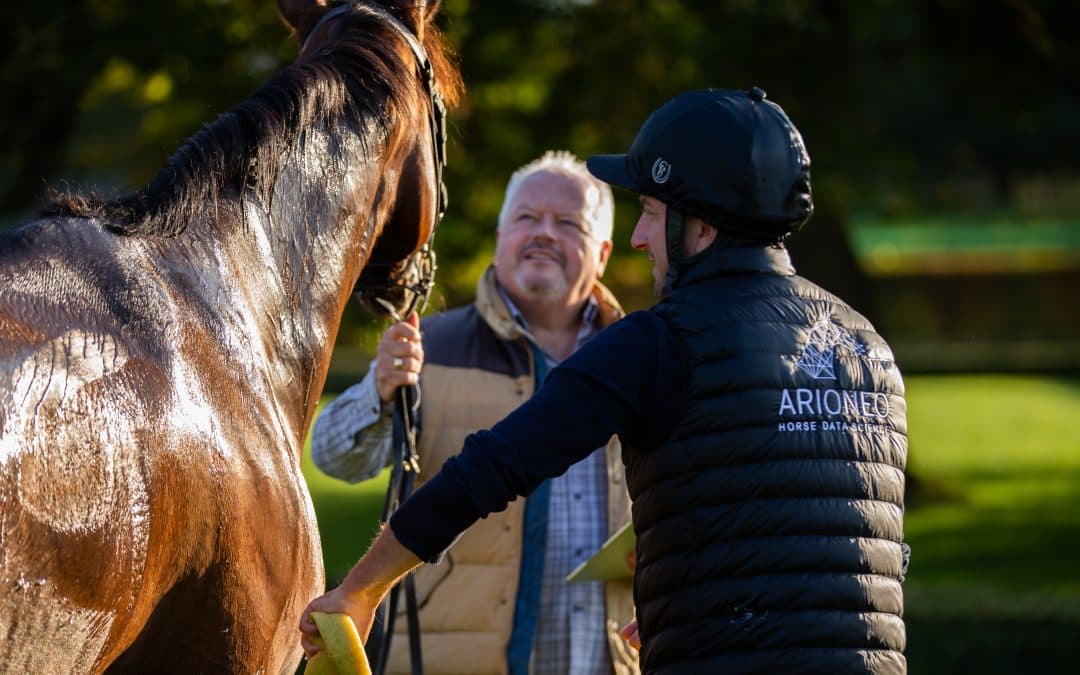
Brian Nielsen, a former exercise rider who rode the $120,000-winning Cash from Texas in the early 1990s, has translated a personal loss into applied science aimed at reducing catastrophic limb injuries in racehorses. From 2017-2019 his team sprinted calves about 75 yards one day per week for six weeks and recorded a 25% increase in bone-breaking strength, a result Nielsen ties to training strategies for young equines.
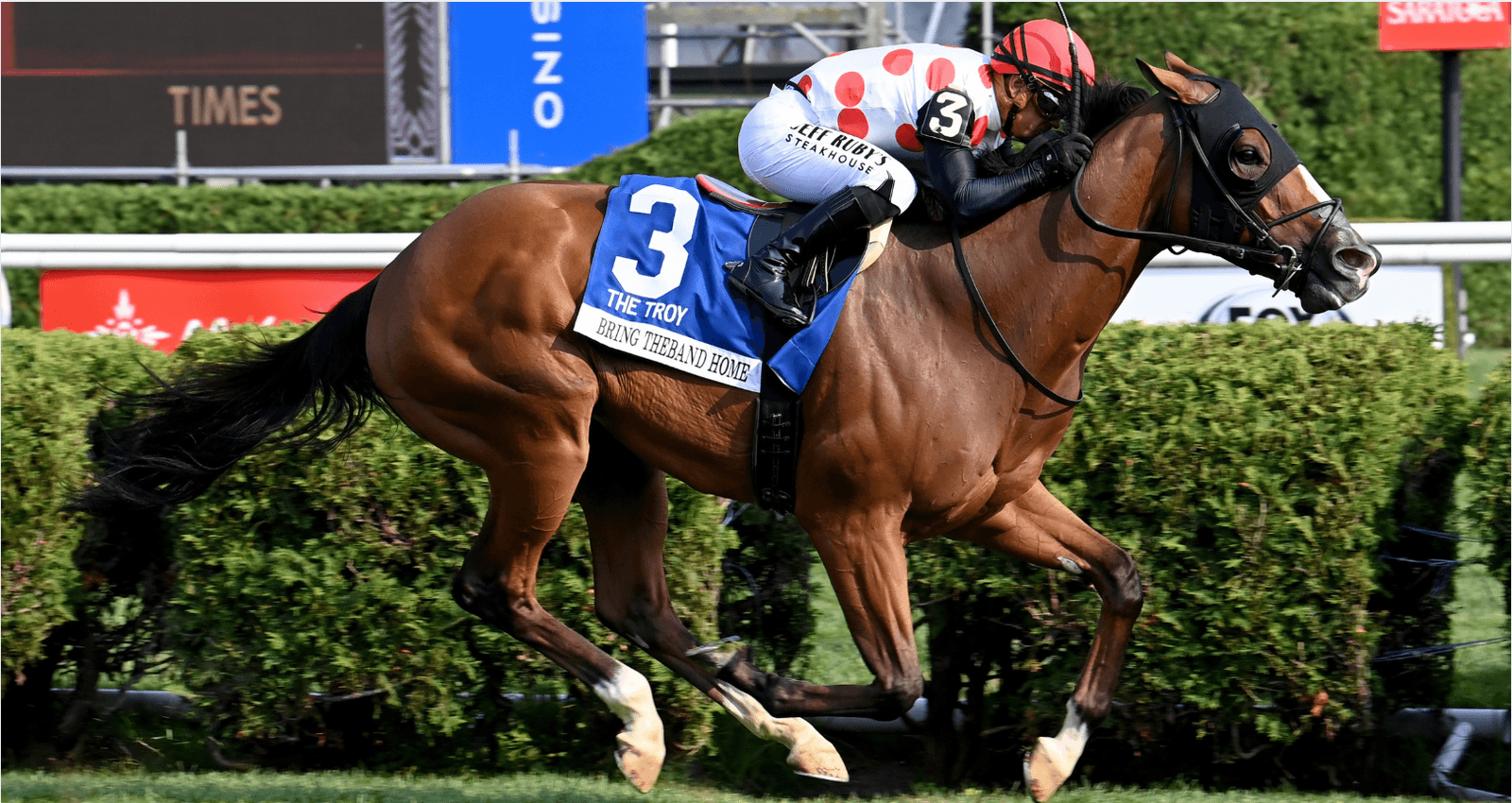
The impetus for Nielsen’s research was the racing career of Cash from Texas and the broken leg that dogged his memory. "When I spoke with his trainer on the phone, he said, ‘We did everything we could to try to save him,’ and you could tell he was on the edge of tears," Nielsen recalled when telling the story. That moment, experienced while he was a graduate student at Texas A&M University and riding Cash from Texas in the early '90s, pushed Nielsen toward questions about how early exercise affects skeletal resilience.
Nielsen now serves as a professor in the Michigan State University Department of Animal Science, where he teaches senior-level courses in equine exercise physiology and advanced horse management and holds the credentials Dr. Brian Nielsen, PhD, MS, PAS, Dipl. ACAN. Michigan State communications and profiles describe him as a leading researcher in equine exercise physiology with research interests in young horse development and nutrition, and MSU has published imagery tied to his work including file names Nielsen_2019IMG_9684d.jpg and Cash from Texas.jpeg, the latter credited to Nielsen.
Funding and institutional support were central to the calf work. Early projects of his were funded by M-AAA, and MSU materials note, "The alliance is made up by Michigan’s animal ag and allied industries, MSU AgBioResearch, MSU Extension, the MSU colleges of Agriculture and Natural Resources and Veterinary Medicine, and the Michigan Department of Agriculture and Rural Development." Nielsen has relied on its funding in several instances to conduct research that has given horse owners, trainers and breeders insight they can use when making decisions on how to care for their horses.

The calf trial used calves as a model for horses and led to a clear, practical prescription: "His findings showed that exercise needed to be done fast, but not often, to improve skeletal strength." Nielsen has summarized the implication bluntly: "Sprinting builds bone mass, and that’s a finding from research we did through M-AAA." MSU also reports Nielsen and his team have used M-AAA funding to study the efficacy of joint supplements when treating joint issues in horses, though the MSU material does not list specific supplement names or trial parameters.
Nielsen has taken the message beyond the lab. He appeared on Ag Future podcast episode #216 on Thursday Nov 10, 2022, to address the question "Is it true that training horses too early can hurt their chances on race day?" and to dispel the idea that waiting to train horses improves racing odds. For trainers, owners, and breeders weighing conditioning timelines and foal handling, Nielsen’s 25% bone-strength gain in a controlled calf model is a measurable result that demands attention as the industry seeks to reduce fatal breakdowns and make musculoskeletal health a data-driven part of early training programs.
This article was produced by Prism’s automated news system from verified source data, official records, and press releases, then run through automated quality and moderation checks before publishing. The system is built and supervised by the people who set the standards it runs under. Read our full AI policy.
Did this article answer your question?