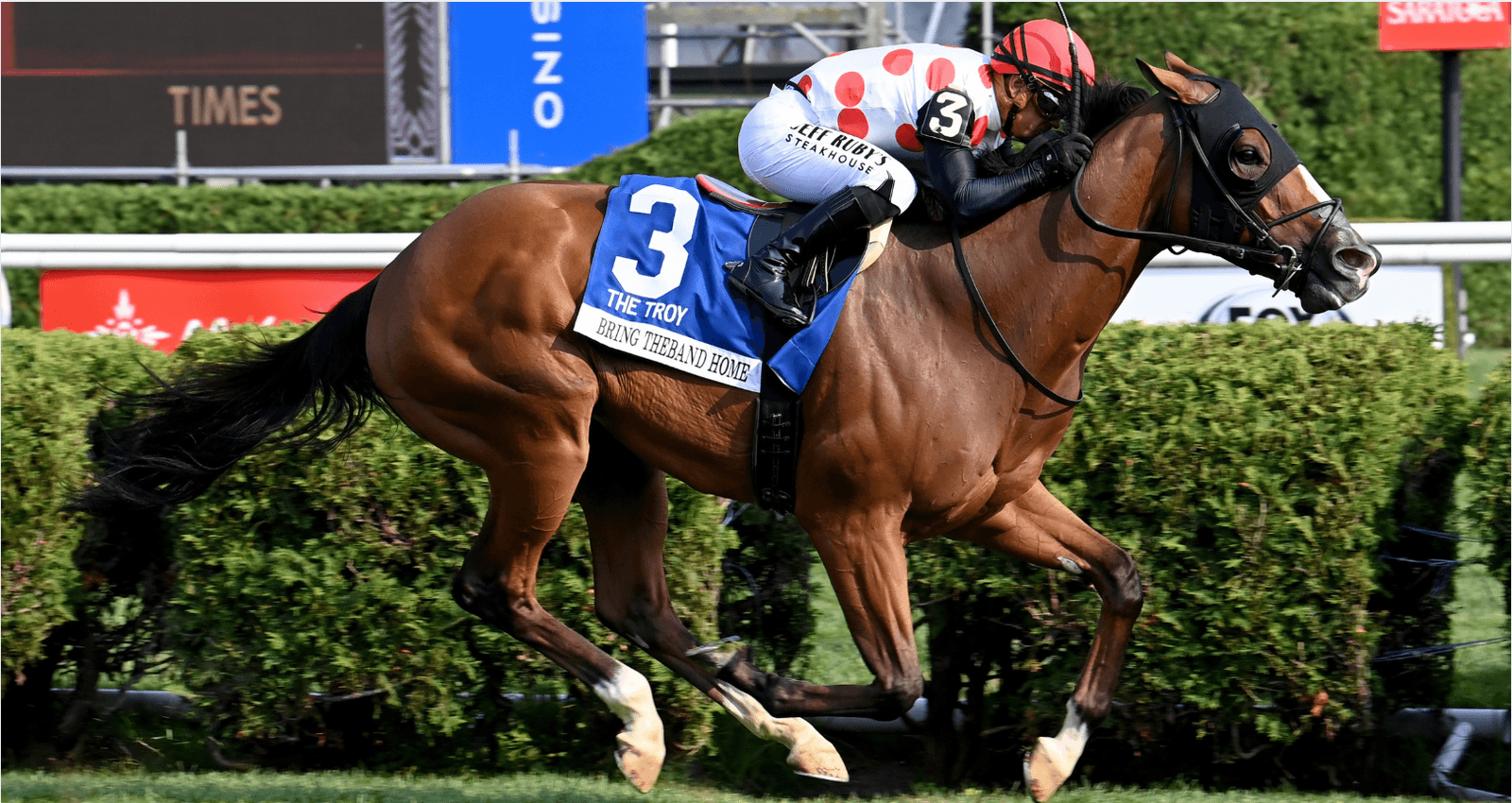
Graffard reflects on Calandagan's 2025: Group 1s, Japan Cup, global planning
Calandagan closed a stellar 2025 with multiple European Group 1 wins and a dramatic Japan Cup triumph, a campaign that signals a new era of strategic global planning for middle-distance horses.

Calandagan’s 2025 season ended as a statement of intent for international racing: a colt whose string of major Group 1 victories in Europe culminated in a dramatic Japan Cup triumph, reshaping how top middle-distance campaigns are planned and financed. Trainer Francis‑Henri Graffard positioned the campaign around linked targets and incentive schemes, and the result highlighted the sport’s growing globalization.
Graffard reflected on the Japan Cup win as one of his greatest moments and used the campaign to underline the practical mechanics behind elite international targeting. He described strategic bonus schemes that connected target races, pointing to international bonus incentives tied to certain weight-of-money races as a decisive factor in routing. Those financial linkages changed the calculus for owners and trainers, turning standalone Group 1s into nodes in a planned sequence that maximized both prestige and returns.
On the track Calandagan established himself as a premier middle-distance performer across the season. Graffard charted a progression in fitness and racecraft through the pattern races in Europe, culminating in a win at the Japan Cup that carried not only prize money but global cachet. The victory reinforced the colt’s status and validated the connections’ ambition to campaign beyond familiar circuits.
The logistics behind that achievement were far from trivial. Graffard outlined the practical challenges of international campaigning: transport and quarantine management, tailoring game plans to different tracks and climates, and coordinating travel windows so the colt peaked at the right times. The role of owners and stable staff was critical in that orchestration, from financial commitment to day-to-day care and recovery work that kept Calandagan ready to contest top-level races on two continents.
Beyond the individual success, Calandagan’s campaign is symptomatic of a broader industry trend. European trainers are increasingly mapping out global seasons for their best middle-distance horses rather than confining them to regional targets. That shift affects breeding valuations, international betting flows, and race programming as jurisdictions respond with incentives and bonus structures to attract elite fields.
Culturally, wins like the Japan Cup resonate beyond sport, fostering cross-border connections between racing communities and spotlighting the sport’s ability to stage high-stakes international encounters. For owners and trainers considering a similar path, Calandagan’s arc offers a blueprint: align sporting targets with incentive structures, invest in meticulous logistics, and rely on a committed team at home.
What comes next is a tighter international calendar and more deliberate global campaigns. For racing fans and industry stakeholders, Calandagan’s 2025 campaign is both a thrilling achievement and a preview of a sport moving decisively toward truly international competition.
This article was produced by Prism’s automated news system from verified source data, official records, and press releases, then run through automated quality and moderation checks before publishing. The system is built and supervised by the people who set the standards it runs under. Read our full AI policy.
Did this article answer your question?