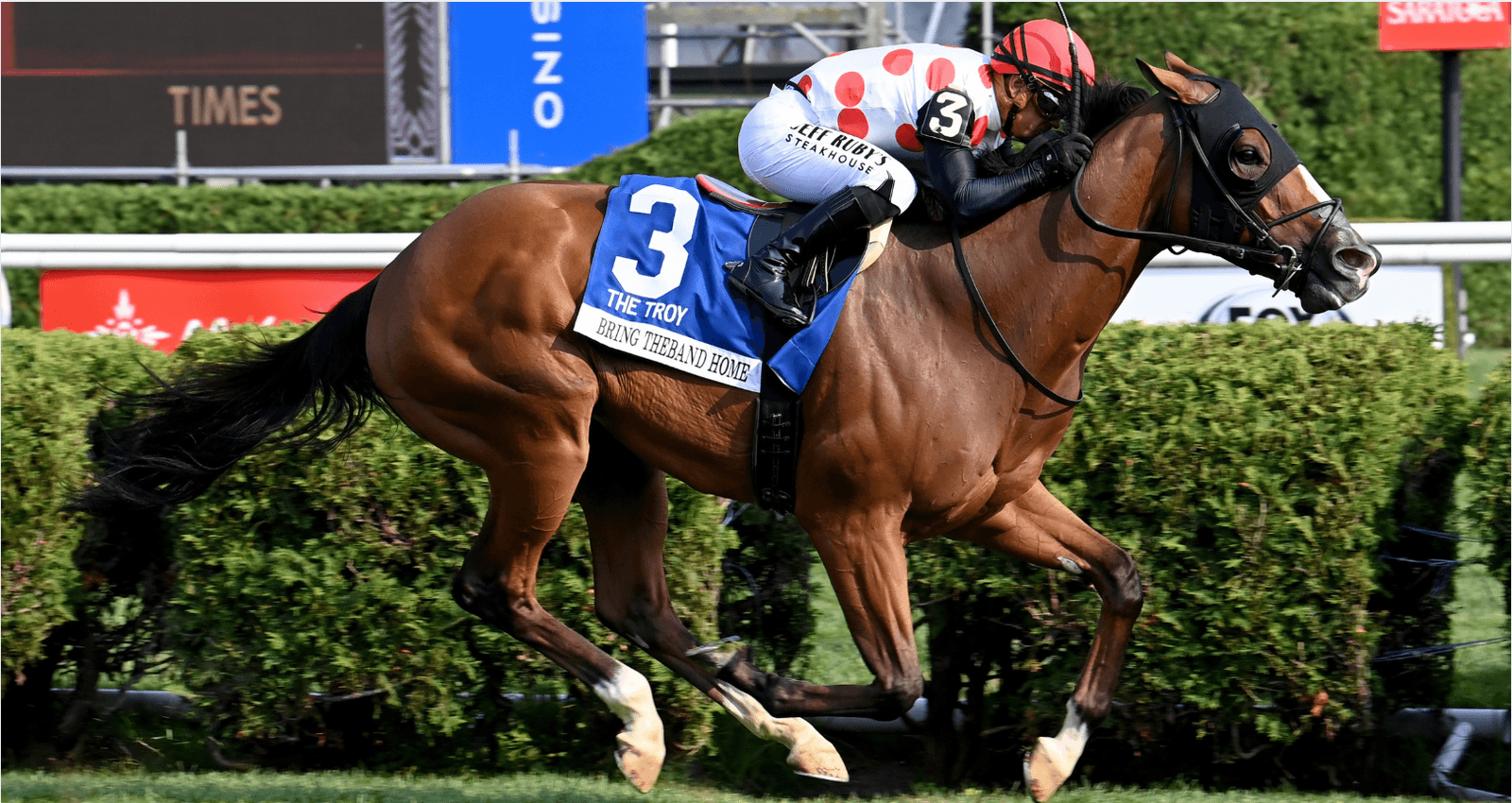
Grand Reward, Son of Serena's Song, Dies at 25 in Argentina
Grand Reward, son of Storm Cat and Serena’s Song, died in January 2026 at Haras La Quebrada in Argentina; his passing removes a major sire from South American breeding ranks.
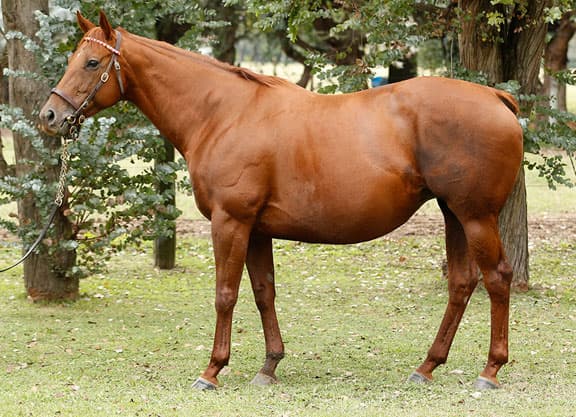
Grand Reward, the Storm Cat son out of champion mare Serena’s Song, has died in Argentina, ending the life of a stallion whose racing CV and stud record helped bridge European, American and South American bloodlines. Multiple outlets report the stallion died in January 2026 at Haras La Quebrada in Pilar; most accounts list his age at death as 25, although Turf Diario’s report contains an internal reference to 23 that appears to be an editorial discrepancy.
As a racehorse, Grand Reward showed precocity and durability. Bred by Bob and Beverly Lewis, he broke his maiden in Europe for trainer Aidan O’Brien, earned a pair of Group 2 placings as a juvenile and compiled a series of high-level placings in Europe - second in the Mill Reef Stakes (G2) and the Tetrarch Stakes (G3), plus placings in the Gimcrack (G2) and Renaissance (G3). Coolmore bought a 50 percent share before his juvenile debut. Sent to D. Wayne Lukas to finish his 3-year-old season in the United States, he missed the board in the G1 Malibu Stakes but later won an allowance at Santa Anita and captured his first graded prize in the G2 Oaklawn Handicap. He finished fourth in the G1 Santa Anita Handicap and retired at age four with four wins in 24 starts and career earnings of $545,844.
Grand Reward’s second act as a stallion had broader industry impact. Sources report he shuttled to Argentina as early as 2006 and, after being purchased by Haras La Quebrada, became a permanent resident there in 2011. Turf Diario called his arrival “a statement of principles by the Ceriani Cernadas family” and labeled him “the last resident stallion at Haras La Quebrada.” Argentine coverage credits his progeny with versatility across sprint and distance divisions; Turf Diario attributes to him seven G1 winners and names Sassagoula Springs, Chuck Berry, El Consorte, Bellagamba and the remarkable Angiolo among his top offspring. Turf Diario’s voice is reverent: “It was no ordinary whinny that faded away in the pastures of Haras La Quebrada a couple of days ago; it was the echo of a genealogy that seemed designed by the gods of the turf.” The outlet also wrote, “If one thing defined the offspring of Grand Reward, it was their ability to put their hearts on the wire,” and described his runners as “athletes with unusual resilience.”
Beyond pedigree and progeny counts, Grand Reward’s story reflects broader trends in international breeding. The shuttle-stallion model continued to shape Southern Hemisphere programs by importing Northern Hemisphere bloodlines, while a successful transition from racing to regional stud dominance underscores how midlevel graded winners can become commercial anchors in developing markets. Haras La Quebrada’s stewardship and the Ceriani Cernadas family’s investment speak to the business model of buying proven stallions to elevate local bloodstock.
Public reaction underlined the personal side of the loss. A sampled Facebook comment read, “Guys, 25 is a perfectly normal age for a horse to pass away either naturally or to be put down because they're too old and creaky.” For owners, breeders and stallion book managers, the immediate tasks are confirmation and record-keeping: verify the exact date and age with Haras La Quebrada, confirm the count and identities of his top-level winners through stud-book records, and assess the market impact on nominations and broodmare planning. For racing fans, Grand Reward leaves a legacy in both pedigrees and on the racetrack, his death marks a turning point for Argentine breeding that will be measured in the seasons ahead as his offspring continue to compete.
This article was produced by Prism’s automated news system from verified source data, official records, and press releases, then run through automated quality and moderation checks before publishing. The system is built and supervised by the people who set the standards it runs under. Read our full AI policy.
Did this article answer your question?