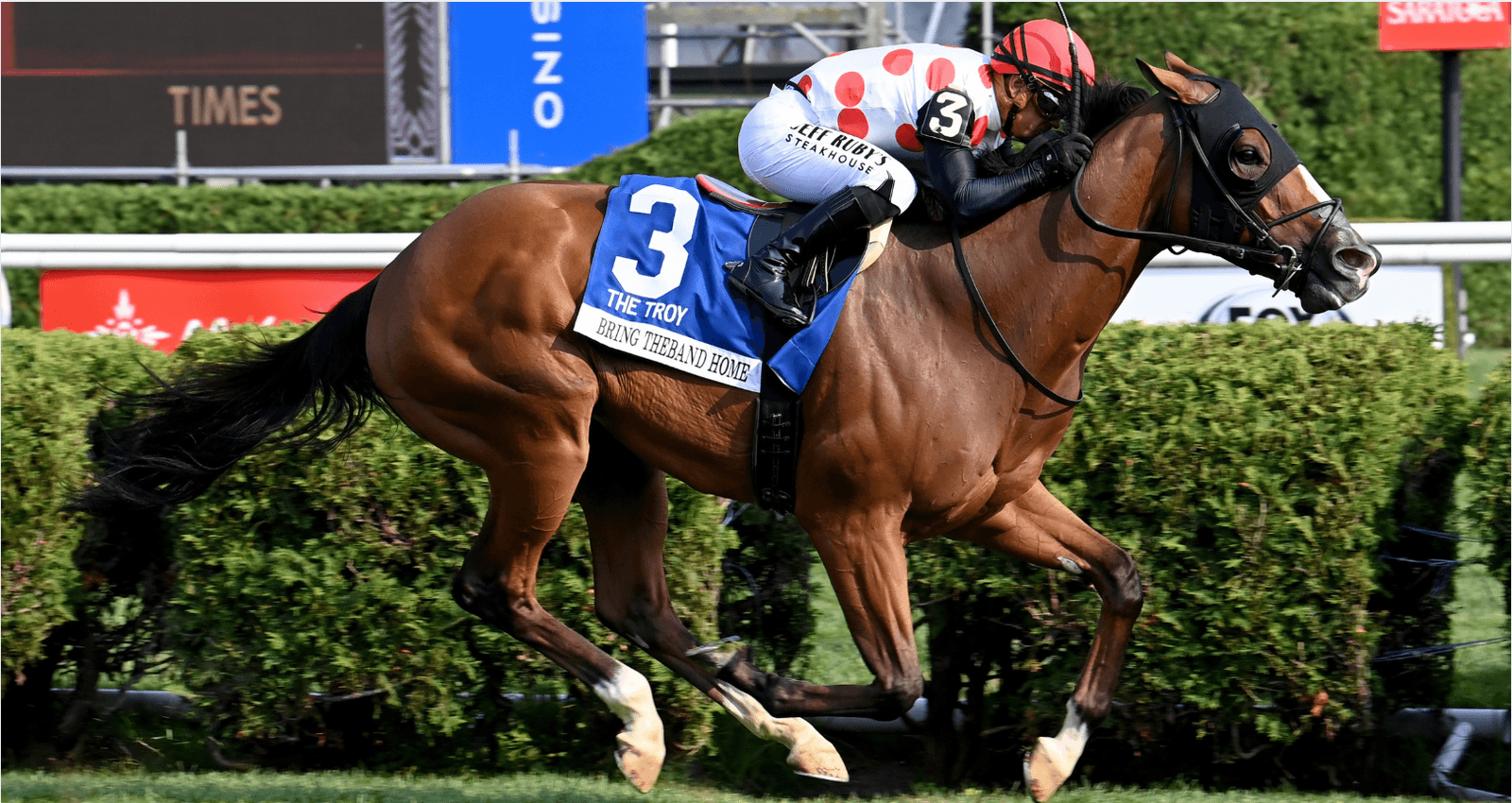
Green Party Call to Ban Horse Racing Sparks Fury Before Grand National
Green Party co-leader Zack Polanski's call to ban horse racing ignited a political firestorm on the eve of the Grand National, putting an 85,000-job industry in the crosshairs.
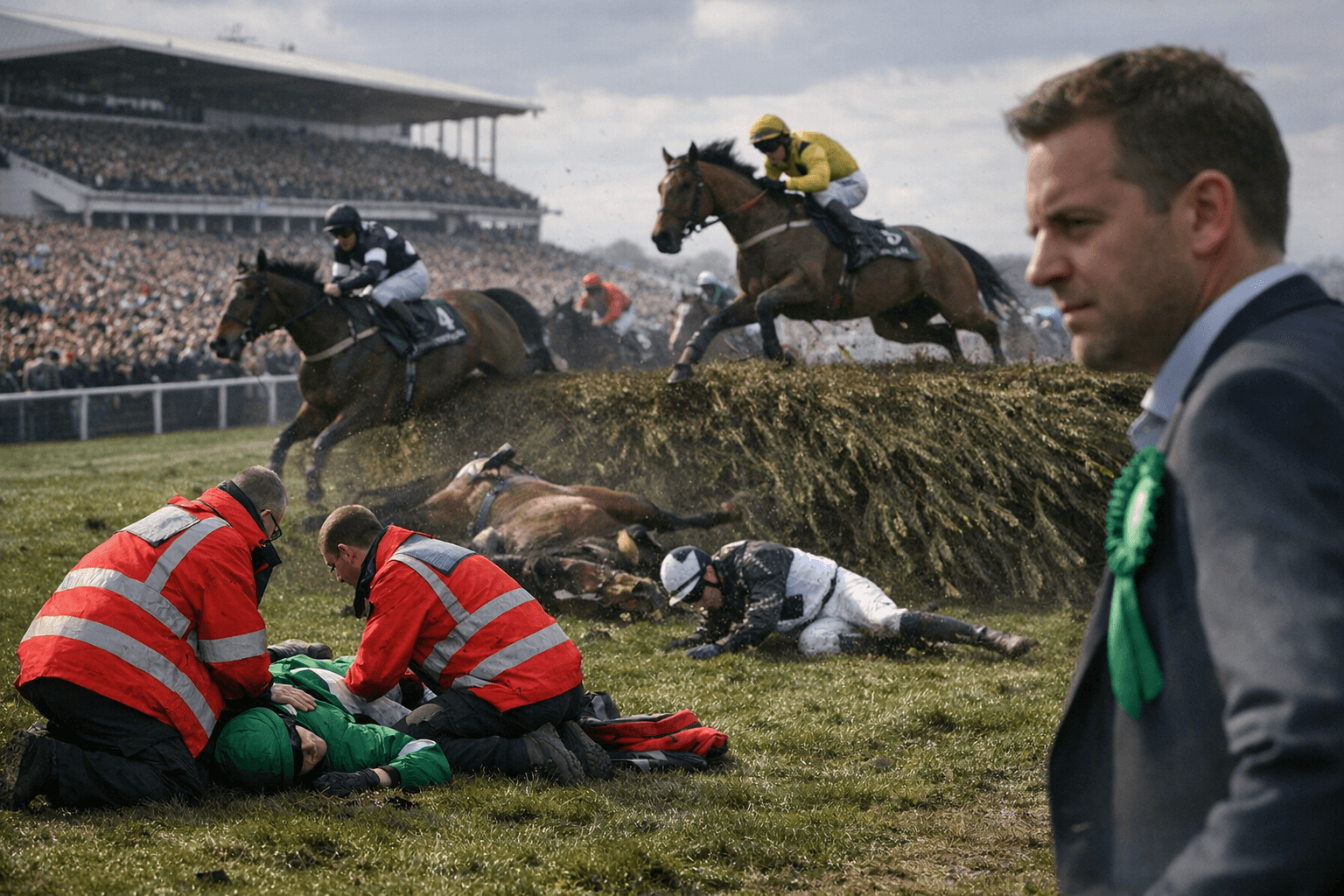
Green Party co-leader Zack Polanski called for horse racing to be banned in the United Kingdom just as the nation prepared for one of its most iconic sporting events, the Grand National at Aintree Racecourse in Liverpool. The remarks, which go beyond the Green Party's official policy, sparked criticism from across the political spectrum on the eve of the Randox Grand National.
Polanski's position, reiterated as recently as 2024, includes broader proposals to remove animals from all forms of sport. In a post on social media platform X, he stated that the country should "go further" and eliminate all animal involvement in competitive sport. Three years earlier, on the eve of the 2021 Grand National, he wrote: "There's something deeply wrong with society when this is considered a sport. We need to ban horse racing and indeed all forms of animal cruelty." His personal stance sits well to the left of official Green Party policy, which calls for banning the whip and establishing a single regulatory body funded by a levy on the gambling industry, rather than abolishing the sport outright.
The proposal cuts at an industry with considerable economic weight. The sport contributes £4 billion to the UK economy and supports thousands of jobs, according to figures cited by critics of the ban call. According to the British Horseracing Authority, the sport supports 85,000 jobs across the UK. The Grand National alone contributes £60 million to the Merseyside economy. Around £250 million is expected to be wagered on the big race, with the Grand National the most bet-on sports event in the UK, last year beating the Super Bowl, the Masters golf, and the Champions League final.
British Horseracing Authority chief executive Brant Dunshea said: "Horse racing is not just the country's second-favourite sport, it's something deeply embedded in our way of life. It is a sport that is hugely deserving of Government support." Horseracing Bettors Forum chair Sean Trivass added: "From blacksmiths to hospitality staff, this multi-billion-pound industry employs thousands of people. The horses are some of the best looked-after animals. They have spent decades fine-tuning the sport to make it safer."
The political backlash was swift and crossed party lines. Reform UK leader Nigel Farage branded Polanski's views "cranky nonsense" and "utterly absurd", accusing the Green co-leader of seeking to wipe a longstanding British tradition off the sporting calendar. Nick Timothy, a senior Conservative figure and MP whose constituency includes Newmarket, widely regarded as the headquarters of British horse racing, described the Green co-leader's position as "extreme madness." Tory Shadow Culture Secretary Nigel Huddleston said: "Zack Polanski's call to ban our £4bn horse racing industry is completely out of touch with a key pillar and economic driver of rural life. This would put thousands of jobs at risk at a time when unemployment is rising."
Top Lambourn trainer Nicky Henderson issued an open invitation for Polanski to visit his Seven Barrows yard, saying the Green co-leader had "obviously not spent much time in the countryside." Henderson, who had a horse named Lulamba dumped his jockey at Aintree the previous day before jumping all the fences independently and winning the race, used the anecdote to illustrate the bond between racehorses and the sport.
Polanski has also specifically advocated for removing all equestrian disciplines from the Olympic programme. Great Britain has established itself as a dominant force in Olympic equestrian sports, winning team eventing gold and team jumping gold at the Paris 2024 Games. The broader proposal would end iconic British staples such as the Cheltenham Festival and Royal Ascot, and remove equestrianism, a sport in which Team GB has won 45 medals including 15 golds, from the Olympics.
Animal welfare campaigners have long raised concerns about fatalities and injuries in jump racing, and supporters of the sport point to ongoing reforms, strict veterinary oversight, and the fact that the vast majority of racehorses live long, well-cared-for lives after retirement. The practical question that a ban raises is stark: what happens to the 85,000 workers, the rural communities built around breeding and training yards, and a tax base that funds significant public revenue? Polanski has not addressed that arithmetic, and until he does, the fury is unlikely to subside on either side of the rail.
This article was produced by Prism’s automated news system from verified source data, official records, and press releases, then run through automated quality and moderation checks before publishing. The system is built and supervised by the people who set the standards it runs under. Read our full AI policy.
Did this article answer your question?