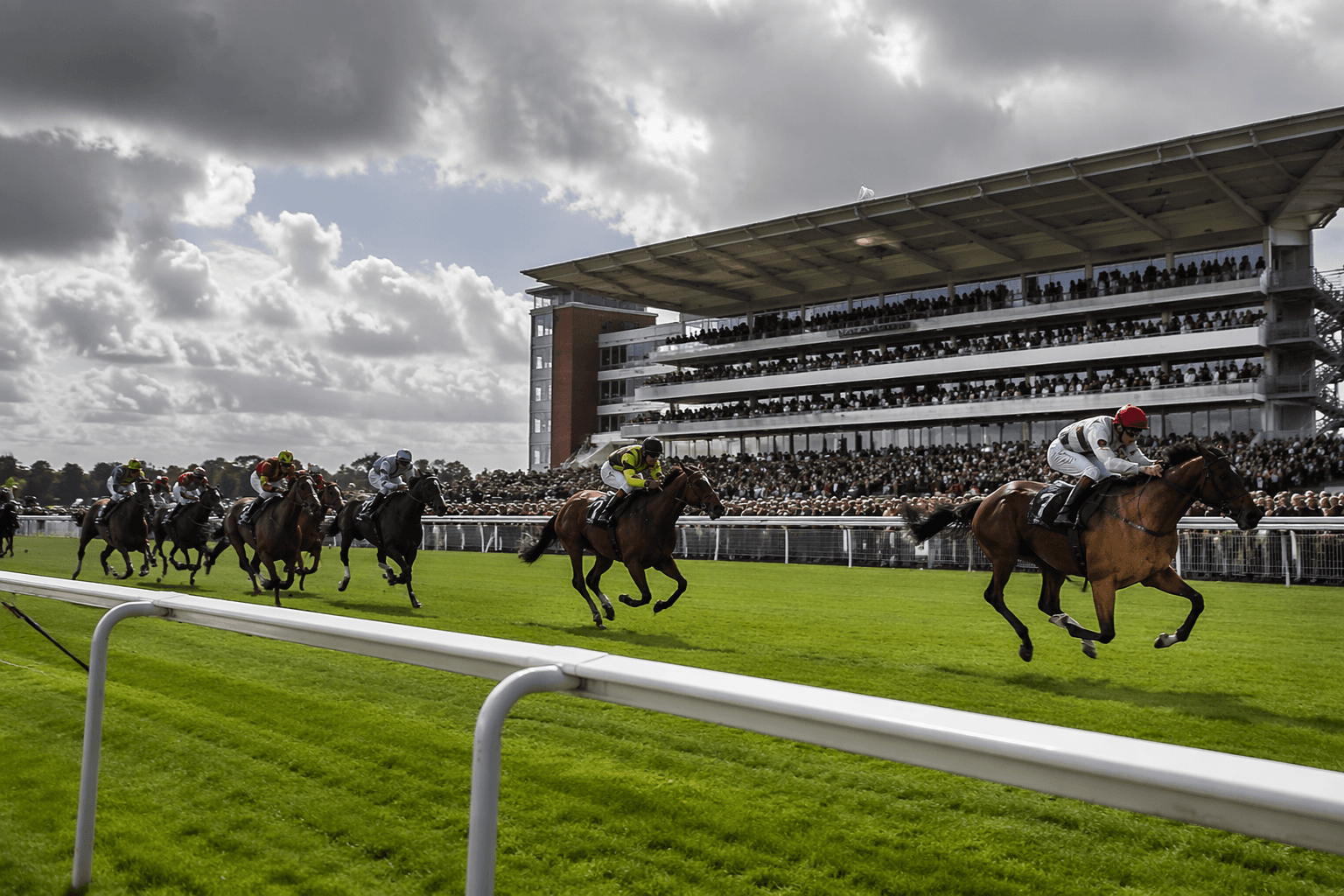
Hawthorne Race Course bankruptcy draws multiple bids, live racing still possible
Multiple bids have kept Hawthorne’s bankruptcy alive, and managers still see a path to live racing, a racino, or both.
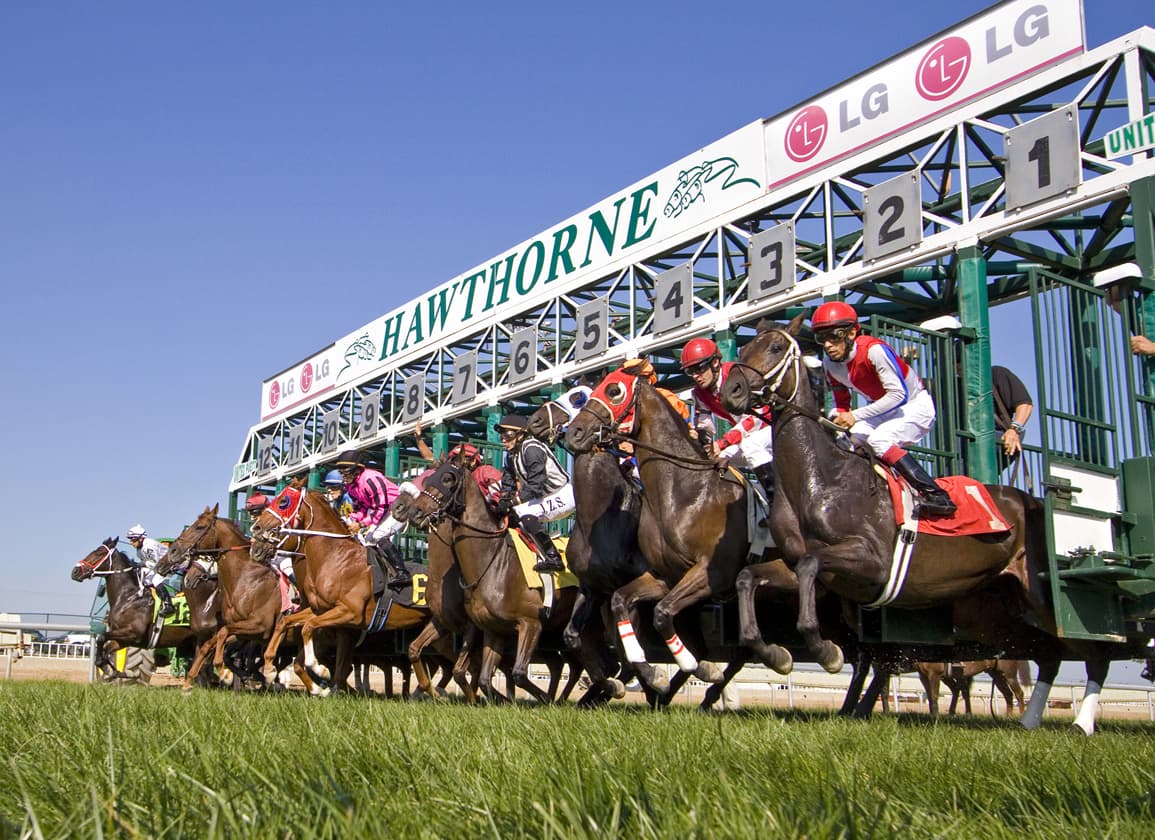
Hawthorne Race Course’s bankruptcy has become a survival test for Chicago-area racing, with the track now weighing multiple bids that could keep the Stickney oval running, remake it as a racino, or turn the property toward industrial use. Management has asked for more time through the summer to sort through the offers, a sign that live racing remains in play rather than being written off as the last chapter.
Hilco Global and Province LLC are marketing Hawthorne both as a going-concern and as real estate, and officials said the level of interest has been strong enough to justify patience. Among the suitors are multiple ongoing-business bidders interested in the racino opportunity and in continuing racing, while tours of the track have become routine as potential buyers examine the land, the assets and the economics. Qualified bids were due June 26, but the debtors sought an extension so the process would not be rushed.
For horsemen, that matters more than any sale headline. Hawthorne filed Chapter 11 on February 27 in the U.S. Bankruptcy Court for the Northern District of Illinois after financial strain and a long-running dispute over how to preserve racing and pay riders, horsemen and employees. The Illinois Racing Board had suspended Hawthorne’s harness-racing license on January 26, throwing the track’s future into sharper relief just as the bankruptcy began.
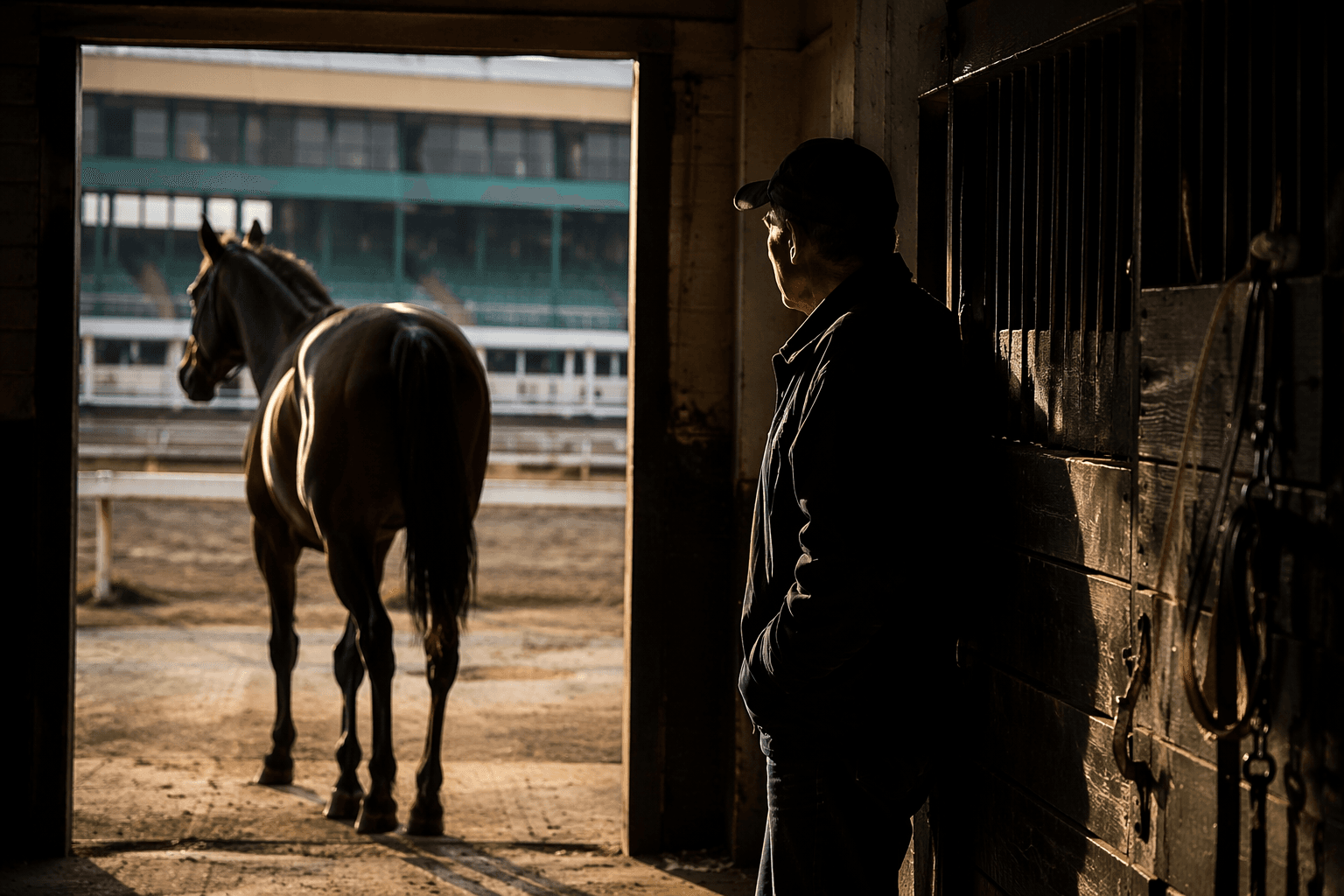
A federal bankruptcy judge then approved interim financing on March 10 that allowed Hawthorne to conduct its 2026 Thoroughbred meeting and included payment of nearly $1.4 million in overdue money to Thoroughbred horsemen. That ruling kept racing on the calendar, but only temporarily. By April, the meet was being described as a make-or-break season for Chicagoland racing, with smaller purses, fewer horses and uncertainty hanging over the backstretch.
The broader stakes stretch beyond one meet. Hawthorne says it dates to 1891, making it the oldest sporting venue in Illinois, and its history as a fourth-generation family-owned business has given it a place in the state’s racing identity. Horsemen have said they are owed about $2.5 million in the bankruptcy proceedings, and Illinois’ 2019 racino-enabling law remains a central unresolved part of Hawthorne’s long-term business plan. That is why the current bidding process matters so much: a buyer who can solve racing, gaming and financing at once could determine whether Hawthorne remains a live venue for fans and participants, or becomes something else entirely.
This article was produced by Prism’s automated news system from verified source data, official records, and press releases, then run through automated quality and moderation checks before publishing. The system is built and supervised by the people who set the standards it runs under. Read our full AI policy.
Did this article answer your question?