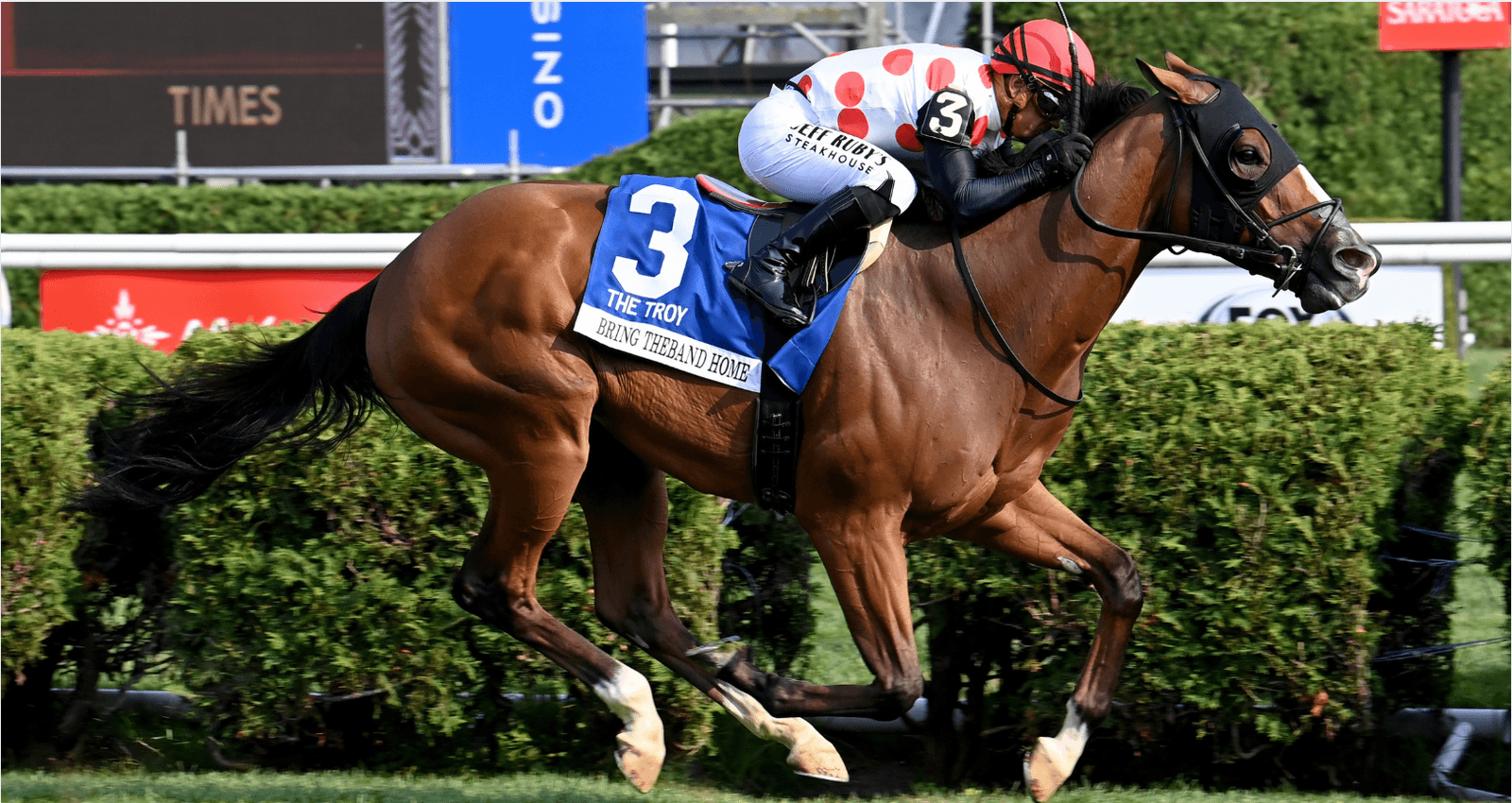
Hawthorne Racing Returns, Bankruptcy Judge Approves Interim Financing
Hawthorne got live racing back on April 19, then Judge Timothy A. Barnes approved interim financing a day later, keeping the track alive as it races toward a July deadline.
Hawthorne Race Course cleared two hurdles that mattered more than any tote board number this spring: it reopened live Thoroughbred racing on April 19, then got Judge Timothy A. Barnes’ approval for interim financing and a budget on April 20. For a track that filed for Chapter 11 protection on February 27, that sequence was not cosmetic. It kept the meet moving, kept money flowing, and bought time in a bankruptcy case that still points toward a July deadline to land an investor or buyer.
That deadline is the real clock on Hawthorne’s season. The track’s filings say the reorganization is designed to attract a buyer or investor willing to recapitalize the racecourse, while the company’s balance sheet puts assets in the $50 million to $100 million range against liabilities of roughly $100 million to $500 million. Barnes also said he believed the property still had enough value to satisfy secured creditors in a liquidation scenario, but liquidation is still the threat hanging over the backstretch if the right deal never arrives.
The short-term fix was built before the first horse broke from the gate. A March 4 court order approved a $16 million debtor-in-possession loan from JDI Loans at 13 percent interest, with repayment due in early July. The March 10 financing order also included nearly $1.4 million in overdue payments to Thoroughbred horsemen. Hawthorne officials said they have retained about $8 million to support recapitalization, a sale process and operations through the spring meet.
The practical stakes are bigger than one racetrack’s ledger. Hawthorne’s filings said the plan was meant to preserve 250 jobs and protect the homes of hundreds of backside workers and their families. The company said backside residency can run from about 290 to 500 or more people, and in some years has topped 900. That is why reopening the meet mattered as much as the financing order: horsemen need purses, workers need payroll, and the Illinois racing product needs a place to run.
The Illinois Racing Board had already trimmed Hawthorne’s Thoroughbred season from 80 days to 74 and pushed the opener from March 29 to April 19 to give the track time to get ready. Even with the legal and financial pieces in place, the live schedule still faces a limited horse population on the backstretch, which means field size and race quality remain real concerns.
Still, the opening-day atmosphere suggested the track still has a pulse. Tim Carey said the place was packed and the mood was strong, especially with families on track and live racing back after the winter harness meeting ended abruptly on January 1 amid financial turmoil. Carey called the situation a “four-month lifeline,” and the phrase fits. Hawthorne is still tied to a proposed $400 million racino in Stickney, still looking for a suitor, and still carrying the weight of being the only remaining track in Northern Illinois after Arlington Park closed following the 2021 season. For now, though, Hawthorne is racing, and in this business, that alone is survival.
This article was produced by Prism’s automated news system from verified source data, official records, and press releases, then run through automated quality and moderation checks before publishing. The system is built and supervised by the people who set the standards it runs under. Read our full AI policy.
Did this article answer your question?