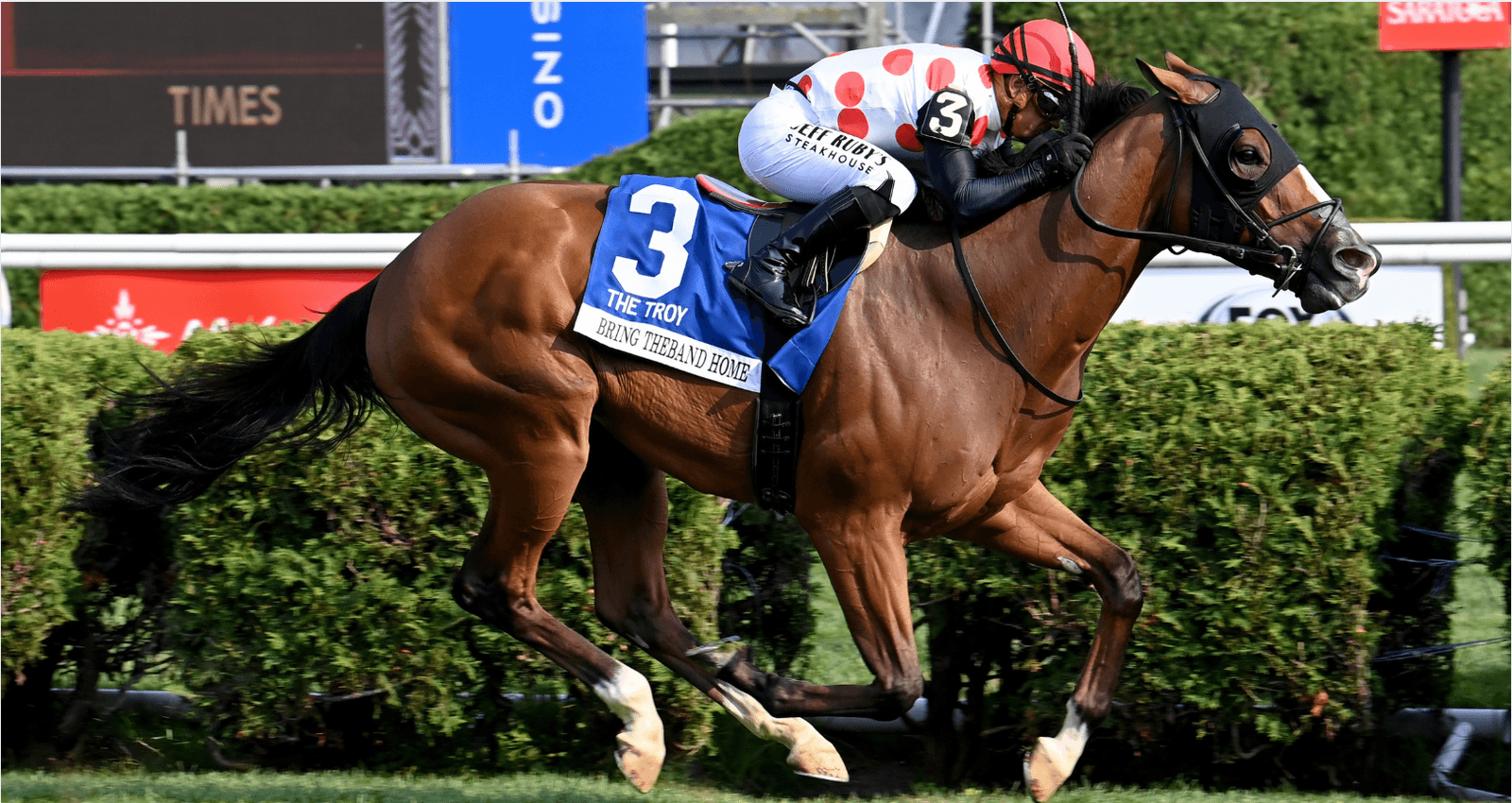
HISA leaves Lasix rules unchanged, averting full racing ban
HISA kept race-day Lasix in place for older horses and stakes carve-outs, sidestepping a full ban and giving trainers a familiar rule book for May 23.
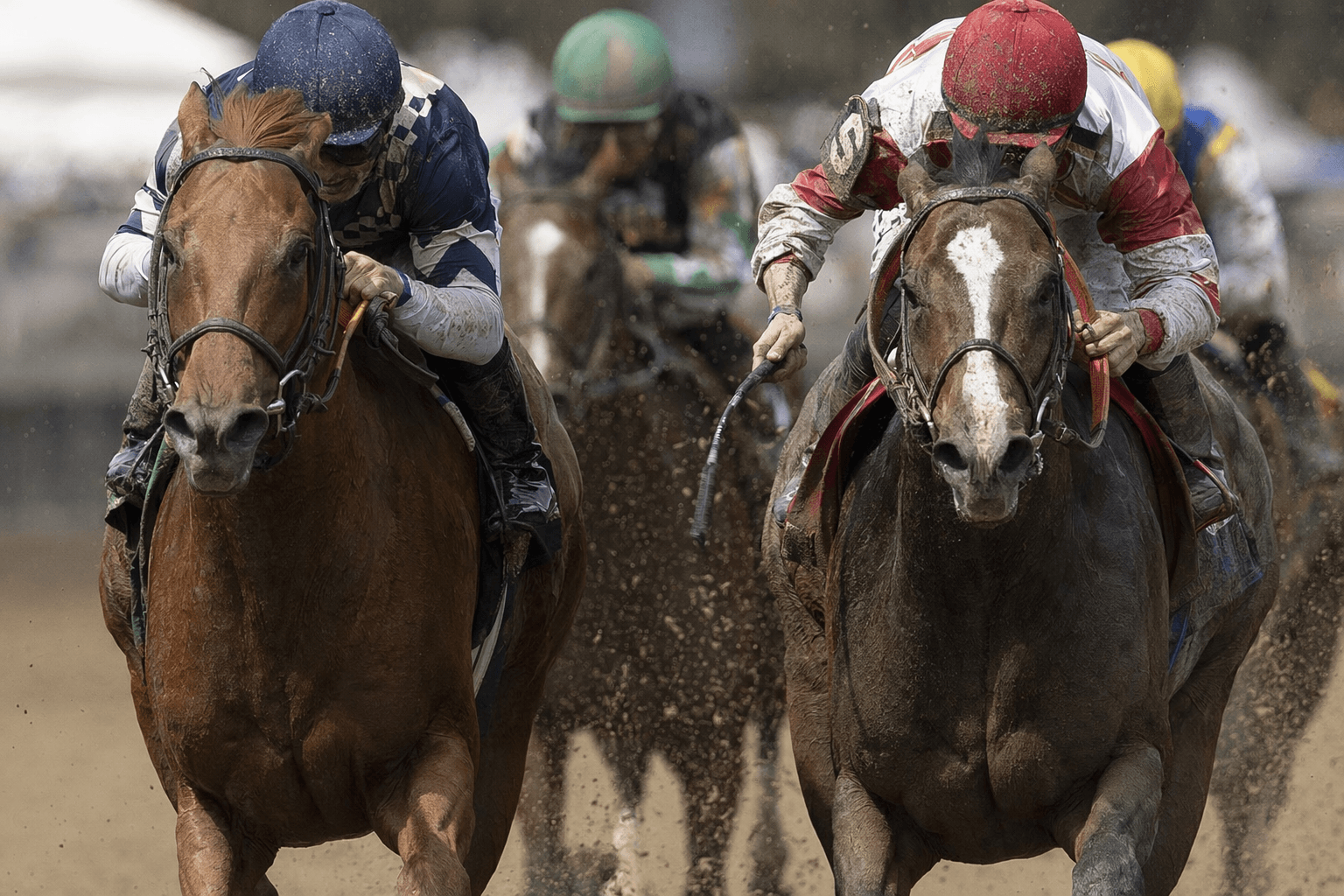
HISA’s decision left trainers and horsemen with the rule book they already know: race-day Lasix stays banned in 2-year-old races and stakes races, but it remains available in other races for older horses. The practical consequence is immediate stability. No one in HISA-covered jurisdictions has to redraw shipping plans, medication schedules, or race-day strategies for a sudden nationwide ban, and bettors do not have to handicap a brand-new regulatory landscape before the spring and summer campaigns take shape.
The Horseracing Integrity and Safety Authority said its board unanimously adopted the finding on April 24, and the policy change takes effect May 23, 2026. That timing matters because the board had been expected to rule later in May, making the May 5 announcement an earlier-than-expected release valve for a sport that had been bracing for a much harsher turn. The authority had previously put a three-year moratorium around the possibility of a full ban while it commissioned scientific studies on furosemide’s effect on equine health and the integrity of competition.
Those studies, funded by HISA on January 31, 2024, were the backbone of a decision the board was required to make under the Horseracing Integrity and Safety Act of 2020. Researchers were expected to submit findings by January 31, 2026, and the nine-member board needed a unanimous vote to change the existing framework. HISA said it weighed the findings and recommendations of the Furosemide Advisory Committee, which concluded that available scientific evidence does not support the claim that furosemide is performance-enhancing. That did not produce a sweeping crackdown. It preserved the current balance instead.
That balance had plenty of defenders. A February 25 letter signed by Bill Mott, Chad Brown, Mark Casse, Jena Antonucci, Ron Moquett and National Horsemen’s Benevolent and Protective Association CEO Eric Hamelback argued against a full ban and cast Lasix as a therapeutic tool for exercise-induced pulmonary hemorrhage, not an unfair edge. Their side won the immediate fight, and the broader one is still alive. HISA stopped short of reopening the medication wars in full, but the decision also showed it is not eager to use this moment to force a bigger cultural reset on Lasix, horsemen autonomy and the sport’s long-running argument over where welfare ends and competitive regulation begins.
This article was produced by Prism’s automated news system from verified source data, official records, and press releases, then run through automated quality and moderation checks before publishing. The system is built and supervised by the people who set the standards it runs under. Read our full AI policy.
Did this article answer your question?