HIWU Suspends Ohio Lab's Probationary HEAL Accreditation, Samples Sent to UC Davis
HIWU suspended the Ohio Department of Agriculture's probationary HEAL accreditation effective Feb. 9, 2026, and Ohio-collected samples are being sent to UC Davis for analysis.
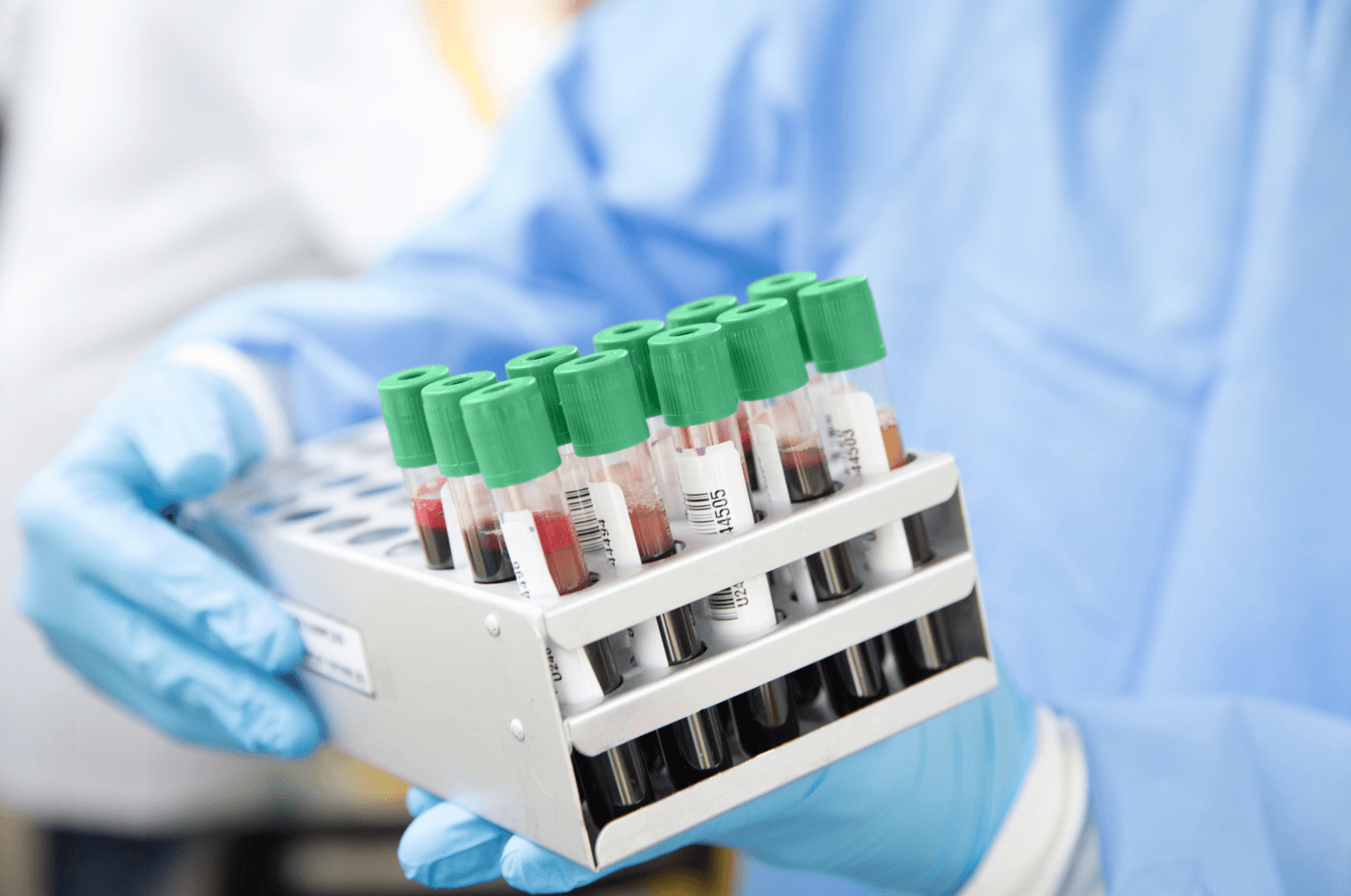
The Horseracing Integrity & Welfare Unit announced that the Analytical Toxicology Laboratory at the Ohio Department of Agriculture has had its probationary HISA Equine Analytical Laboratory (HEAL) accreditation suspended effective Feb. 9, 2026, for a minimum of six months. The move follows a recommendation from HIWU’s independent Laboratory Expert Group, which flagged “nonconformities associated with HEAL compliance,” and prompts the immediate redirection of Ohio-collected samples to the Kenneth L. Maddy Equine Analytical Chemistry Laboratory at the University of California, Davis for analysis.
HIWU said the Laboratory Expert Group, which evaluates Program laboratory performance, recommended the suspension. “Probationary accreditation status will not be restored unless and until the laboratory is in full compliance with HEAL,” the release states. The agency added it will review the Ohio Lab’s response and corrective actions in consultation with the Laboratory Expert Group, and that any impact on resolved or pending Anti‑Doping and Medication Control Program cases will be publicly disclosed in accordance with Program rules.
HEAL is the national laboratory accreditation program established by HISA’s ADMC Program and was implemented on January 1, 2025. Overseen by HIWU, the program builds on the foundations of ISO 17025 and Racing Medication & Testing Consortium models and “requires a robust External Quality Assessment Scheme to ensure that Program laboratories maintain HEAL standards.” The Ohio lab had held probationary HEAL accreditation prior to the suspension.
Operationally, the Cincinnati-area lab’s pause is being managed by routing analyses to UC Davis’ Kenneth L. Maddy facility. The Ohio Department of Agriculture laboratory has been the official drug-testing lab for the Ohio State Racing Commission for more than 40 years, receiving samples from the state’s seven commercial racetracks and from county fairs that stage pari-mutuel racing. Press outreach to the Ohio lab’s supervisors produced no reply as of mid‑Tuesday afternoon.

For owners, trainers, and bettors, the suspension raises practical and reputational issues. Diverting samples to California preserves continuity of testing, but it could add transit time and strain laboratory capacity, with possible delays in case adjudication or sample turnaround. The episode underscores an industry trend toward centralized accreditation and higher uniformity in testing standards as regulators seek to strengthen anti-doping safeguards and public confidence in results.
Culturally and commercially, the action reflects heightened scrutiny across the sport over medication control and animal welfare. Longstanding local testing infrastructure is now operating under national standards that leave little room for procedural lapses, and smaller regional circuits that rely on the Ohio lab may face new logistical and financial burdens. HIWU’s review is ongoing; expect further disclosures about corrective steps and any effects on ADMC cases as the agency evaluates the laboratory’s response and compliance timeline.
This article was produced by Prism’s automated news system from verified source data, official records, and press releases, then run through automated quality and moderation checks before publishing. The system is built and supervised by the people who set the standards it runs under. Read our full AI policy.
Did this article answer your question?