Horse racing industry urges The Jockey Club to open data and video feeds
Restricted data is becoming racing’s growth bottleneck as wagering slipped 3.35% and FanDuel TV’s retreat raises the stakes for bettors and streaming reach.
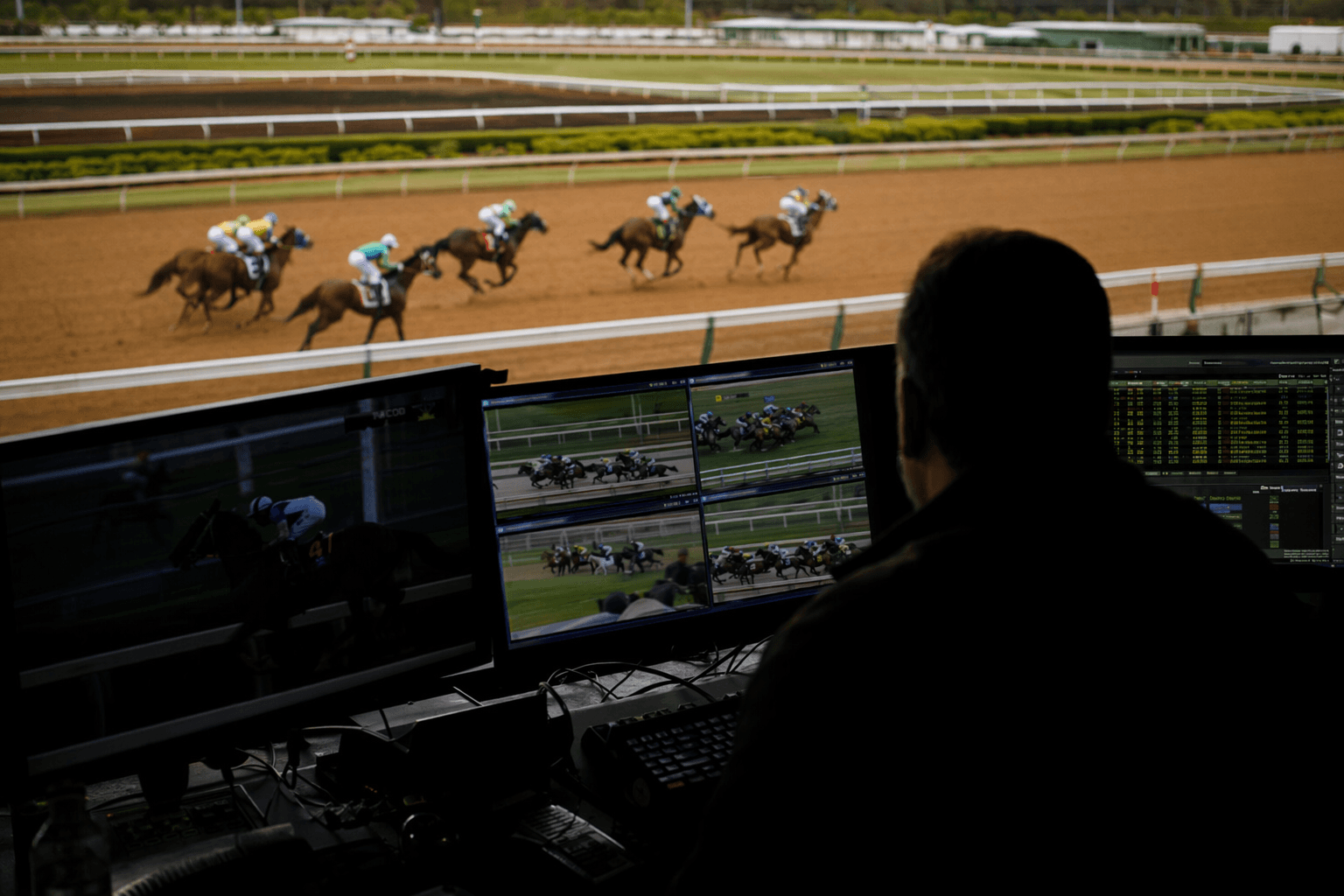
Horse racing’s next fight is not on the track but in the server room and the production truck. Industry voices say The Jockey Club’s control of racing data and video feeds is slowing the sport’s ability to build better wagering tools, stream races to more screens and keep pace with leagues that turned open distribution into growth. That pressure is rising as U.S. Thoroughbred wagering fell 3.35% in 2024 to $11,265,210,514 and North American Thoroughbred races declined 2.7% to 35,008.
The debate goes back decades. Equibase was formed in 1990 as a partnership tied to The Jockey Club and the Thoroughbred Racing Associations of North America, then began full-scale operations on Jan. 1, 1991. It became the sole collector of Thoroughbred past performances in 1998, and Equibase has long argued that access to historical records helped spur simulcasting, new distribution formats and higher pari-mutuel handle through the 1990s and into the new millennium. That history now sits at the center of a broader argument: if racing data once helped expand the product, why should it remain so tightly held in an era when apps, streaming and AI-driven handicapping tools shape how fans follow sports?
The Thoroughbred Idea Foundation answered that question in 2019 by calling for free or lower-priced racing data, saying the status quo inhibits growth and treating data collection and distribution as a marketing expense would widen participation. It pushed for free raw data feeds for registered non-commercial users and basic past performances on all North American tracks. Equibase responded that marketing racing is part of its mission and said it continued to look for ways to create value from racing data. In March 2024, it moved a step in that direction by offering a complimentary dataset containing all 2023 past-performance data and results charts for development, research and evaluation.
Even that opening has not silenced the larger concern. The Jockey Club projected the 2025 North American registered Thoroughbred foal crop at 17,300, down 700 from the 2024 estimate of 18,000, a reminder that the pipeline is shrinking while the audience fights for easier access. At the same time, FanDuel TV, which has broadcast live horse races on a dedicated channel since 1999, began phasing out horse-racing studio production in 2026, and reports in March 2026 said it planned to cease operations as a cable channel at the end of 2027, with more than 100 jobs at risk.

For everyday bettors, the stakes are practical: fewer feeds mean fewer places to watch, fewer tools to build, and fewer chances for racing to look modern beside sports that embraced open data. The argument now is not just who owns the information, but who gets to use it to grow the game.
Know something we missed? Have a correction or additional information?
Submit a Tip