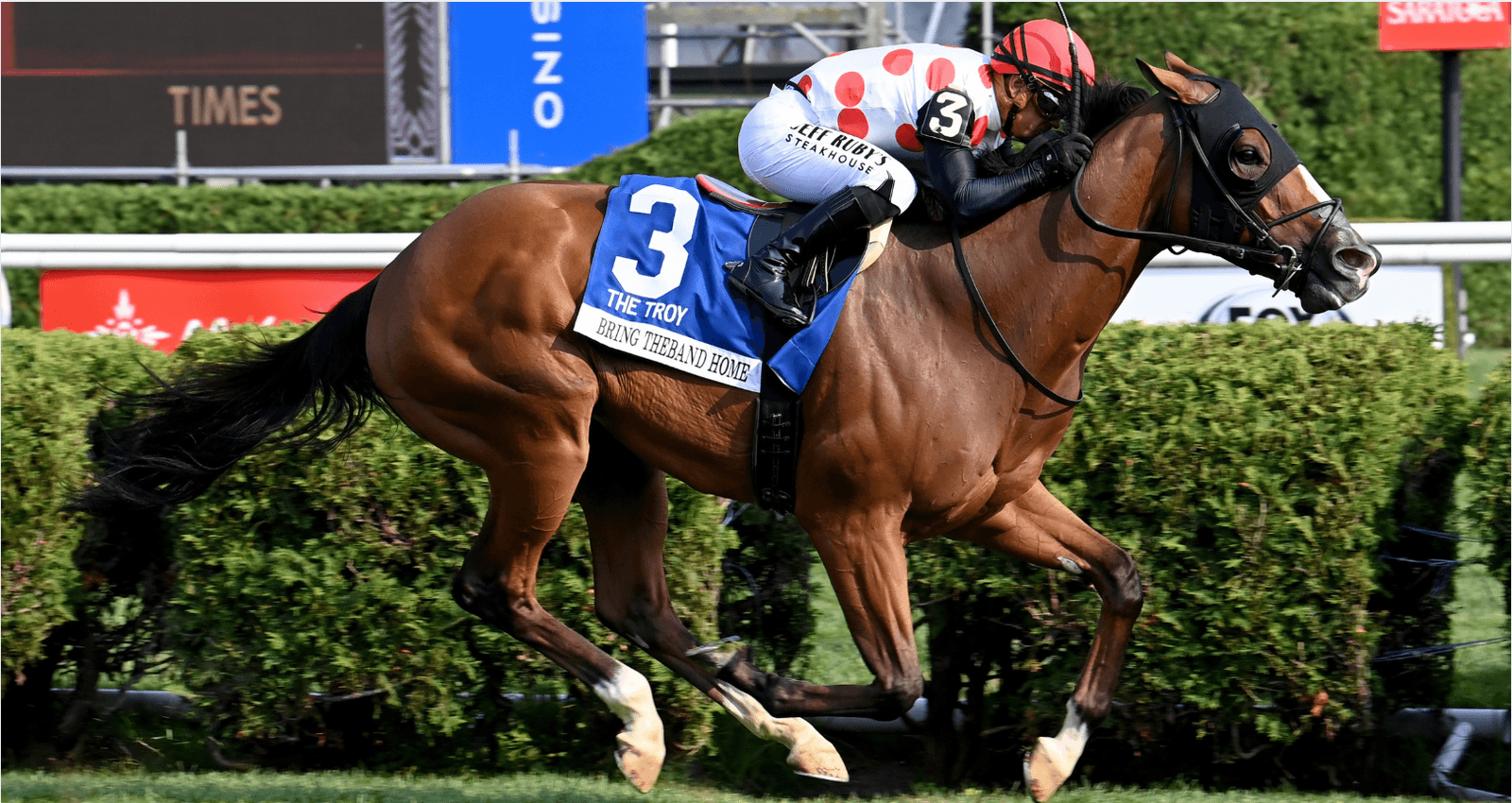
How to Find Turf Sprint Value: Course, Pace and Surface Form
Gate draw, going, and pace shape separate the turf sprint winners from the also-rans; here's the 60-second framework that actually works.
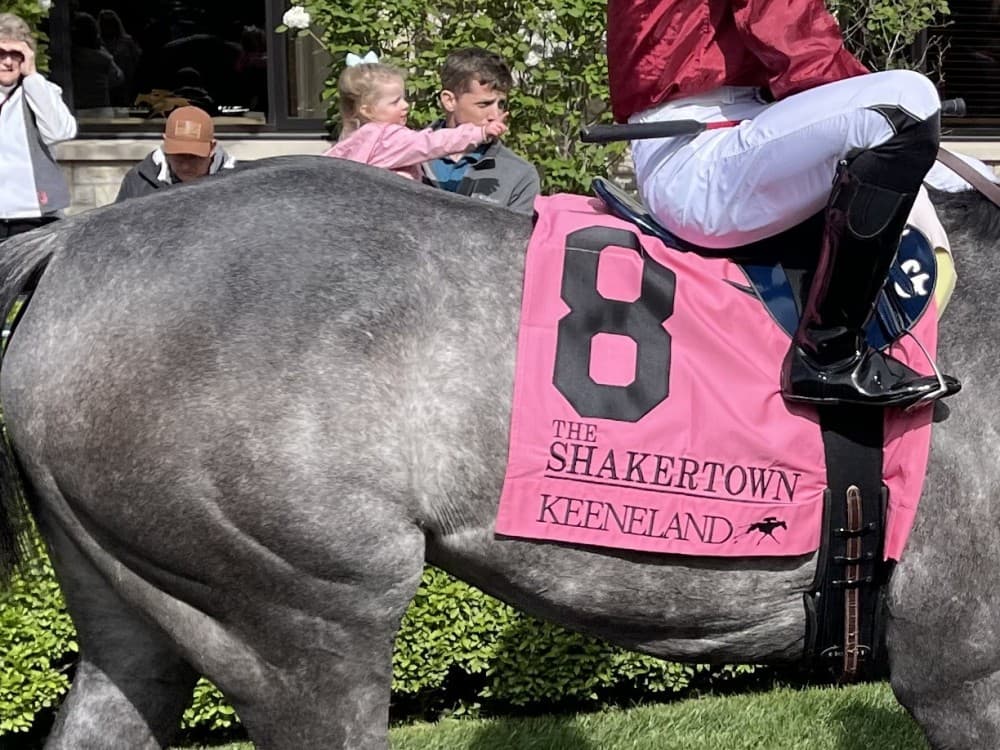
Read the Course Before You Read the Form
Not all turf courses are built the same, and that distinction matters more in a five-furlong sprint than almost any other race on the card. Keeneland's undulating inner turf course tends to reward closers who can navigate the terrain and find room late, while Del Mar's firm, fast layout historically favors speed biases that let early movers control fractions and hold on. At Churchill Downs, the turf sprint is run at five furlongs flat, compressing the decision-making window even further and amplifying the gate draw. At the Breeders' Cup Turf Sprint, low to mid draws (gates 1 through 6) have produced the majority of winners, with Gate 3 taking the race in both 2024 and 2021, and Gate 6 producing winners in 2023 and 2020. That pattern is not coincidence; it's geometry.
Before touching a past-performance line, check the daily going. Firm ground accelerates early fractions and rewards horses with sharp break speed and established turf-sprint stakes form. Del Mar and Santa Anita favor speed biases on firm turf, while Keeneland's undulating course aids closers. Yielding or soft conditions flip that equation: horses that race a length or two off the pace and finish with a strong final furlong gain a meaningful advantage when the ground gets soft, because early leaders expend more energy through deep footing. Matching a horse's prior surface performance in comparable going conditions is step one, not an afterthought.
Build the Pace Map in 60 Seconds
Turf sprints are won and lost in the first two furlongs. Construct a pace map before every race: identify likely early leaders based on running-style patterns, assign stalking horses who typically sit within two lengths of the lead, and note any confirmed deep closers. The critical question is whether speed is lone or contested. A lone speed horse, allowed to dictate fractions unchallenged, can steal a turf sprint wire-to-wire at a price that looks too short until you understand the trip advantage. A speed duel between two or three front-runners sets up a pace collapse that opens the door for closers.
Jockey routing matters enormously here. A turf-specialist rider who knows how to secure rail position out of a tight first turn changes a horse's projected trip completely. Stable tactics add another layer: when a trainer enters two horses, the pace-shaping front-runner often exists to benefit a stablemate tracking just behind. Inside posts 1 through 3 save ground and help speed horses, but carry the risk of getting boxed in with limited escape routes; middle posts 4 through 7 offer flexible balance; wide posts 8 and beyond require extra ground and energy in sprints. Know the exact run to the first turn at your target track and map the gate accordingly. At Turf Paradise, Tough as an Ox exploited post 1 in a five-furlong sprint at 7.6-to-1 by staying glued to the fence on tight turns and effectively running a shorter race than the competition.
Weight Recent Turf Form Differently Than Dirt Numbers
The single most common analytical mistake in turf sprints is leaning too heavily on Beyer Speed Figures earned on dirt or synthetic surfaces. Breeders' Cup Turf Sprint winners have typically posted 99-plus Beyer Speed Figures or 115-plus Racing Post Ratings, and 15 of 17 recent winners had four or more starts in the year of their victory. That volume-of-turf-starts benchmark is a proxy for surface acclimation: a horse with four grass outings in the same season has proven it can handle the specific demands of turf, including the give underfoot and the need for a clean late run.
Elevate the last two turf sprints above everything else in the past-performance lines. Turf-specific sectional times and pace figures are more predictive than aggregate Beyer numbers for horses competing strictly on grass. For horses making a first turf start, apply scrutiny. Some adapt immediately, but a horse's breeding profile and trainer's prior turf debut record can set realistic expectations. Ag Bullet, the five-year-old Twirling Candy mare, won the 2025 Jaipur Stakes (G1) at Saratoga at 5.5 furlongs and then ran 5-for-5 at 6.5 furlongs, including a win by five and a half lengths in the Ladies Turf Sprint at Kentucky Downs. That kind of distance-specific dominance at a particular furlong configuration is exactly the pattern worth isolating: a horse that has proven it runs its best race at the exact distance being offered today.
Decode Workouts and Equipment Changes
Turf sprint-specific workout patterns differ from what you see in dirt campaigns. Sharp three-quarter-mile or five-furlong gate moves with quick closing fractions indicate a horse is building the short-burst speed the discipline requires. A fast gate-to-stretch half-mile drill suggests readiness for the sprint-specific demand of clearing traffic quickly. However, dirt workouts do not translate cleanly to turf ability; a bullet time on the main track tells you a horse is fit, not that it is ready to sprint on grass.
Pay close attention to blinkers, tongue-ties, and open-front shoes as equipment signals. Blinkers added or removed change a horse's early break tendency and can sharpen or settle a sprinter's focus through the turn. An equipment change combined with a class drop or a cutback in distance is often a trainer telegraphing an intent to change the horse's tactical position in the race. A horse stretching out from five furlongs to six furlongs for the first time is a distinct handicapping problem from a horse cutting back from a mile-and-an-eighth on turf, a profile that often signals a trainer expecting an improved position and a sharper early effort.
Structure the Wager Around the Race Shape
Exactas and trifectas are the optimal bets in turf sprints, not win wagers on short-priced favorites. The race shape variance is simply too high for flat-bet single selections to produce long-term value. The practical approach is a two-tier structure: a small, disciplined win wager on one or two horses with strong course-specific speed and trainer form, while the primary investment goes into multi-horse exactas and trifectas keyed on logical pace horses with a spread of stalkers and closers who project clean trips.
One effective exacta strategy involves boxing overlays and then playing them on top of and underneath the contenders, maximizing coverage without inflating cost beyond what the race warrants. For analytically minded bettors, a five-factor weighted score built around pace fit, turf form, jockey and trainer metrics, workout quality, and post position creates a standardized decision framework that travels across race cards. When two or three horses score closely, structure wider horizontal tickets. When one horse separates clearly from the field on course and pace fit, the win wager earns its place.
Protect bankroll by avoiding overbetting favorites in fields where pace shape is genuinely unclear, as these are the races most likely to produce chaotic trips and unexpected results.
The 60-Second Turf Sprint Checklist
Before the field loads at Keeneland or Churchill on turf-sprint day, run this sequence:
- Check the going: firm, good, yielding, or soft, and match it to each horse's form lines in comparable conditions
- Build the pace map: count speed horses, identify lone speed vs. speed duel scenarios, and note jockey routing tendencies
- Confirm the post: favor gates 1 through 6 on tight-turning inner courses; discount the draw penalty at straight-course tracks
- Prioritize the last two turf sprints in the past-performance lines over any dirt or synthetic results
- Flag equipment changes as tactical signals, especially blinkers added with a distance cutback
- Check trainer and jockey turf-sprint records at the specific track, not overall turf records generally
- Structure exactas and trifectas around pace horses, not chalk; protect the bankroll by sizing win bets conservatively
The fastest five furlongs on the card demand the sharpest pre-race read. Done correctly, this framework takes less than a minute to apply and turns the most volatile bet on the card into one of the most navigable.
This article was produced by Prism’s automated news system from verified source data, official records, and press releases, then run through automated quality and moderation checks before publishing. The system is built and supervised by the people who set the standards it runs under. Read our full AI policy.
Did this article answer your question?