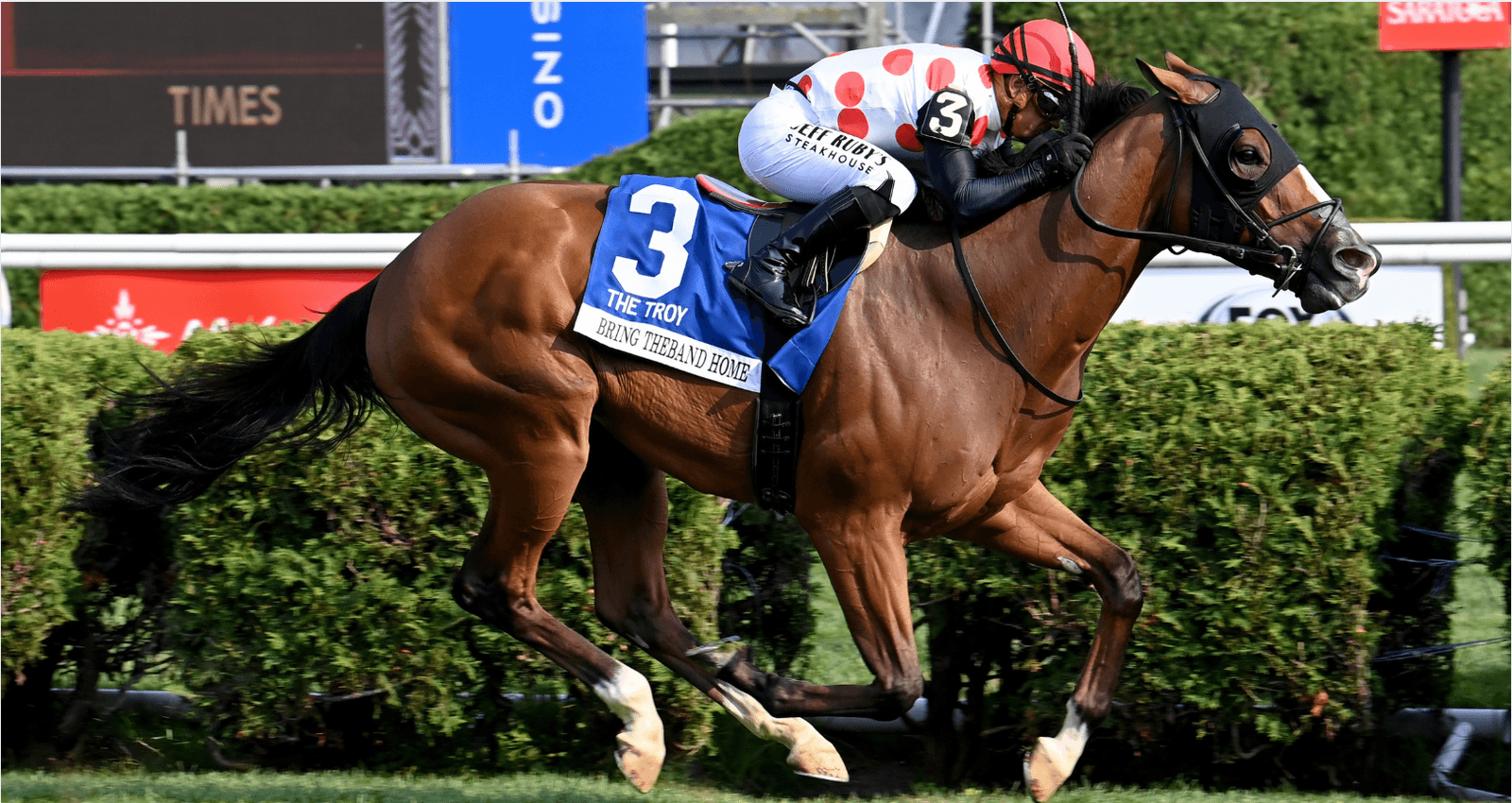
Keeneland, Stable Recovery partner to turn rehab graduates into racing workers
Keeneland’s Stable Recovery model tackles addiction and labor shortages with one pipeline, turning rehab graduates into on-site racing workers.
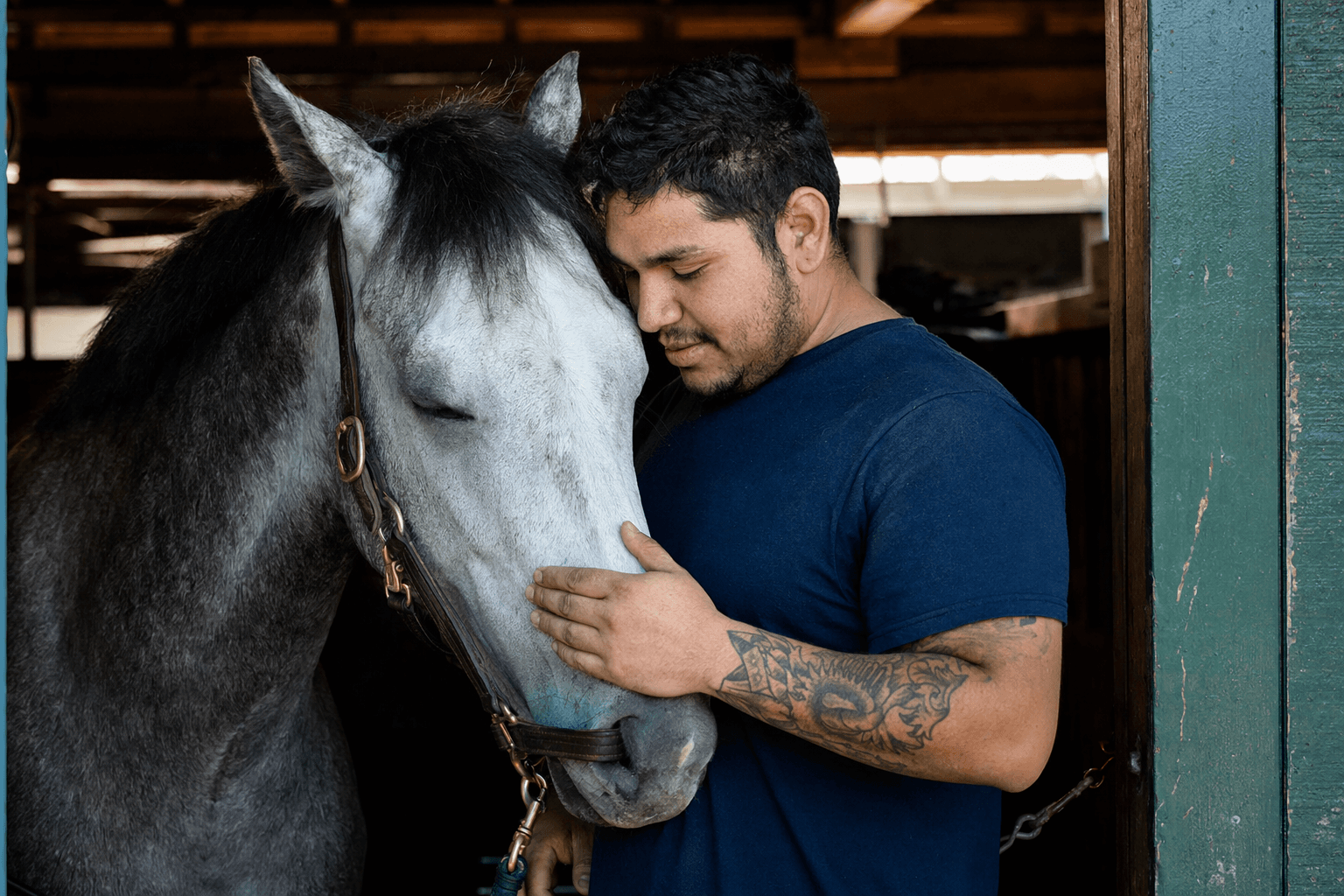
A pipeline built for two racing problems
Keeneland’s answer to racing’s labor crunch starts with recovery, not recruitment. The track and Stable Recovery have built a model that helps men leave addiction behind and then puts them into jobs the industry actually needs, with Josh Peters standing as the clearest example of what that transition can look like.
Peters said that before entering Stable Recovery, his wife, family, and children wanted nothing to do with him. After rehab and horsemanship training, he rebuilt his life and now works on Keeneland’s maintenance staff. That matters because the story is not just about second chances. It is about a practical workforce pipeline that turns rehabilitation into dependable labor in a sport that has been short on it.
How the maintenance cohort works
The core of the program is straightforward. Stable Recovery, founded by Christian Countzler and Frank Taylor, moves participants through rehab and into the Taylor Made School of Horsemanship, a 90-day training program built to prepare men for work in racing. The Maintenance Cohort is a specialized extension of that school, designed to bridge the gap between recovery and employment.
The curriculum is hands-on and targeted. Participants learn track maintenance and safety procedures, equine care and veterinary basics, horsemanship, stable management, and professional development. The point is not to train every graduate into one narrow job. It is to make them useful in the parts of racing that keep a facility running day after day, from farm work to maintenance to stable support.
That flexibility is one of the model’s biggest strengths. Not every graduate is ready for direct horse handling, and Keeneland understood that its answer had to fit its own operation. Because the track does not own horses, it found the most realistic place to absorb graduates was on the maintenance side, where the work is steady and the chance to build confidence is real.
Why Keeneland is the right test case
Keeneland and Stable Recovery announced the Maintenance Cohort on May 8, 2025, with an Aug. 1, 2025 start date. Keeneland said it would be the first racetrack nationally to provide on-site housing and full-time employment for the eight men in the initiative. That detail turns the program from a goodwill story into an operating model. Housing, wages, and a job site in the same ecosystem create structure, and structure is often the difference between relapse and stability.
Shannon Arvin, Keeneland’s president and CEO since 2021, has framed the partnership as part of the track’s broader commitment to social responsibility and improving quality of life in the community. Kara Heissenbuttel, who has explained the track’s role in the program, has said Keeneland wanted to support Stable Recovery early because of the impact it was already having on lives, while also recognizing that some graduates needed a path that did not require immediate horse-handling.
That is the essential business logic here. Keeneland is not treating aftercare as a separate cause from labor. It is treating aftercare as labor development. The graduates get purpose, employment, and a reason to stay sober. The track gets workers who have been through a structured, industry-specific training pipeline.
Josh Peters shows the human return
The power of the program is visible in one life, not just in the structure around it. Peters’ move from addiction to stable work shows why this model lands differently than a traditional charity program. The job is not symbolic. He is on Keeneland’s maintenance staff, contributing to the daily functioning of a major racing operation.
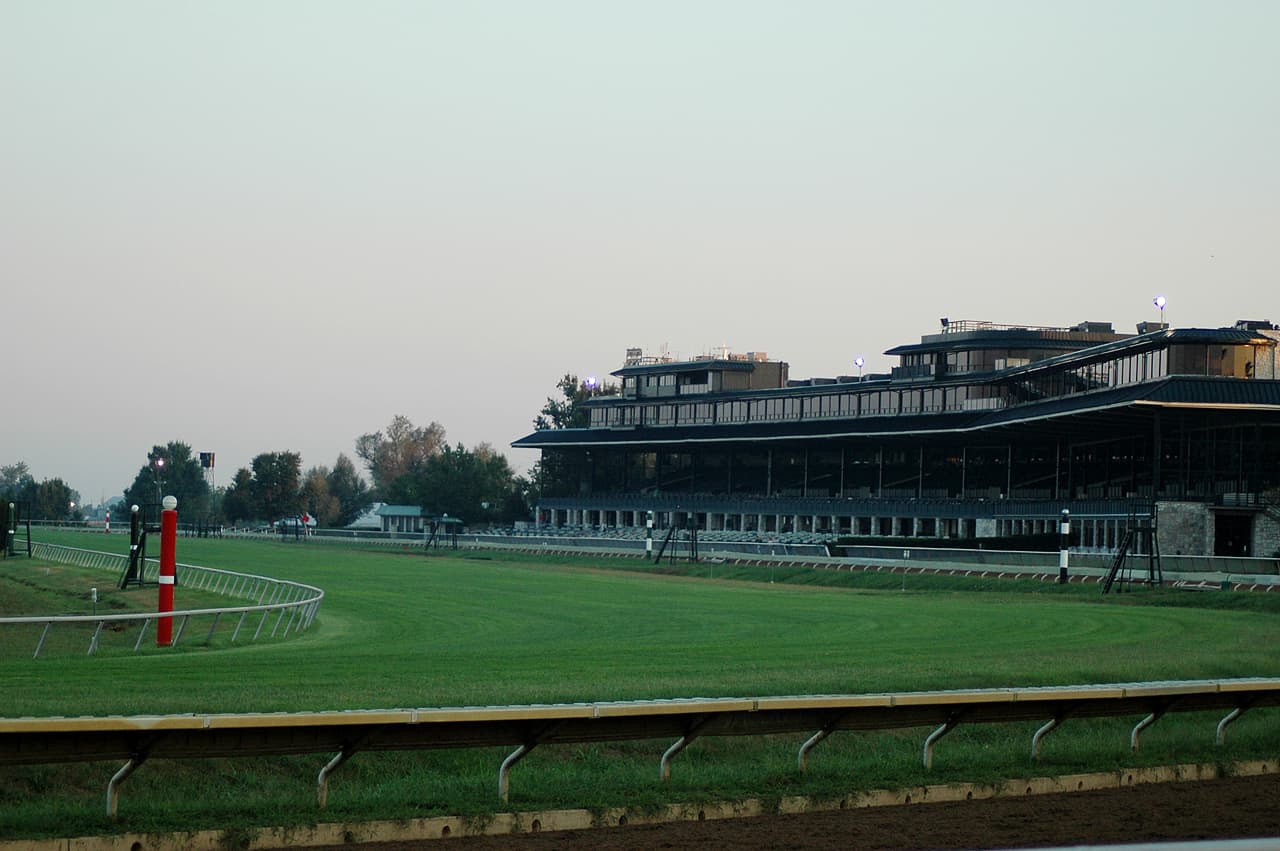
That is the practical advantage racing should pay attention to. Recovery programs often stop at treatment. Stable Recovery keeps going, and the horsemanship school gives men a job-ready skill set that can translate into actual roles across the sport. In an industry where labor reliability matters every morning, that is not soft social policy. It is workforce planning.
The labor backdrop makes the timing matter
The program arrives at a moment when racing’s labor problems are hard to ignore. A U.S. Chamber Foundation look at Kentucky’s equine sector said the state’s horse industry includes more than 1,100 horse farms, roughly 60,000 jobs, and about $6.5 billion in direct and indirect economic impact. The same report also pointed to major labor shortages, which is exactly the kind of pressure a pipeline like Stable Recovery is designed to relieve.
The labor environment has also been publicly strained by wage issues. In June 2024, the U.S. Department of Labor said 163 grooms and hotwalkers at Churchill Downs and Keeneland were denied overtime wages in a case involving Asmussen Racing Stables. That case underscored how sensitive the industry’s labor conversation has become. Racing is not just looking for bodies. It is facing scrutiny over how it treats the workers it already has.
Against that backdrop, Keeneland’s approach looks less like a side project and more like an answer to a structural problem. If the industry wants dependable labor, it has to build it. If it wants people to stay in the game, it has to offer a path that is stable, dignified, and specific to the realities of racing.
Aftercare is already part of racing’s infrastructure
Stable Recovery also fits into a larger aftercare ecosystem that has been building for years. Keeneland is one of the original partners of the Thoroughbred Aftercare Alliance, which says it has granted more than $40.74 million to accredited aftercare organizations since 2012. That gives the Maintenance Cohort a bigger context: this is not racing discovering aftercare for the first time, but racing trying to connect aftercare more directly to employment.
The recognition has already come, too. Frank Taylor and Stable Recovery received a Special Eclipse Award in January 2025 for service to the Thoroughbred industry. More than 100 individuals have graduated from Stable Recovery, which suggests the program has already moved beyond experiment and into repeatable practice.
Can it scale beyond one partnership?
That is the key question, and the answer appears to be yes, but only if the conditions are right. The Keeneland model works because it solves for two needs at once. It gives recovery graduates structure, housing, and employment. It gives racing a labor channel built around the tasks that keep a track running, not just around elite horse handling.
The blueprint is replicable if other tracks can identify the same ingredients: a trusted recovery partner, a training program tied to real jobs, a housing plan, and management willing to build roles that fit the operation. Not every racetrack will have Keeneland’s scale or its maintenance needs, but the principle travels well.
That is why the Keeneland-Stable Recovery partnership matters beyond one Kentucky track. It shows that aftercare does not have to sit on the margins of racing, and labor development does not have to come from nowhere. In a sport shaped by live animals, early mornings, and constant upkeep, the most durable solutions may be the ones that treat recovery and workforce stability as the same project.
This article was produced by Prism’s automated news system from verified source data, official records, and press releases, then run through automated quality and moderation checks before publishing. The system is built and supervised by the people who set the standards it runs under. Read our full AI policy.
Did this article answer your question?