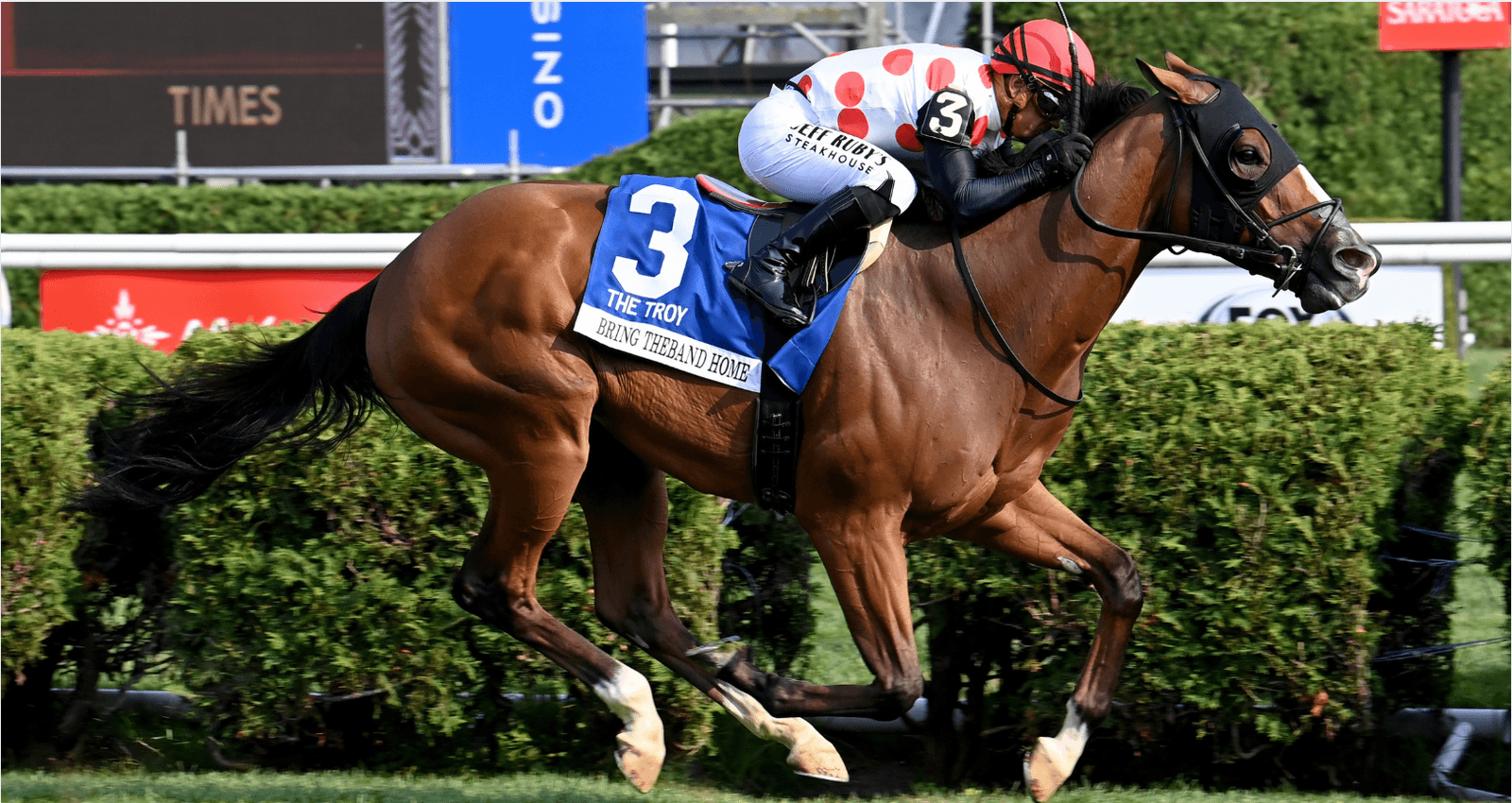
Kentucky Approves Fixed-Odds Wagering, Bans Mare Breeding Caps in Landmark Bill
Fixed-odds wagering is coming to Kentucky, the nation's biggest racing state to legalize the format, while a preemptive ban strips The Jockey Club of any future mare-cap authority.
Kentucky made history as the most significant racing state to legalize fixed-odds horse race wagering when the Kentucky Senate approved HB904 on April 1, sending the 150-page bill to Governor Andy Beshear's desk with a veto-proof 64-19 House majority. HB904 was introduced by Republican Representatives Matthew Koch and Michael Meredith. The legislation also permanently alters the breeding landscape by barring any cap on the number of mares bred to a stallion, a direct countermove against The Jockey Club's authority that stands to reshape how stallion farms across the Bluegrass State operate.
Fixed-odds wagering is a fundamental departure from the parimutuel system that has governed horse racing for more than a century. Unlike the fluctuating odds that make up parimutuel betting, fixed-odds wagering is a form of betting in which the payout odds are set and agreed upon at the time the wager is placed. The Kentucky Horse Racing Gaming Corporation has the authority to license and regulate fixed-odds wagering and sets up a special supplemental purse fund from the revenue it generates. Bettors are guaranteed a minimum winning amount of $1,000 per qualifying wager. Fixed-odds wagering on horse racing has been adopted in New Jersey, Colorado, and West Virginia, but Kentucky would be the most significant racing state to allow it.
Revenue from fixed-odds wagering will feed a new purse stabilization fund to supplement existing purses at live racing meets. On-track fixed-odds revenue is taxed at 9.75 percent, while online and mobile wagers carry a 14.25 percent rate, with annual purse supplements capped at 10 percent of the fund's total to prevent any single meet from draining the reserve.
The provision of the bill that prohibits any restriction on the number of mares bred to a stallion was added in early March by House Speaker David Osborne, a Thoroughbred owner and breeder. The amendment would limit The Jockey Club, North America's breed registry, from imposing numerical limits on stallion books or declining to register foals based on how many mares were bred to a given sire, unless such restrictions are first approved unanimously by the International Stud Book Committee.
The measure is a direct response to a years-long fight with The Jockey Club. The Jockey Club adopted a cap of 140 mares bred per stallion per year in May 2020, citing genetic diversity concerns. Spendthrift Farm general manager Ned Toffey warned that capping book size could dramatically increase stud fees and impose economic barriers for breeders, and at the time Spendthrift alone stood stallions that had bred well above 140 mares annually. Spendthrift Farm, Ashford Stud, and Three Chimneys Farm filed suit in federal court, alleging the 140-mare breeding limit amounted to a "blatant abuse of power" and an "anti-competitive restraint" that threatened to disrupt the free-market nature of the bloodstock business. Osborne filed competing state legislation in early 2022; within a week The Jockey Club withdrew the cap, the lawsuit was dropped, and Osborne's bill expired in committee.
The matter might have stayed closed, except that Jockey Club president Everett Dobson has since made his intentions plain. "Under my leadership, we're going to revisit that question," Dobson said. "This time, we will involve stallion farms and other breed registries around the world to help us find the solution. Our discussions must be science-based with an understanding of the economic realities of the world we live in."
HB904 was built to foreclose exactly that outcome. Any registrar that defies the ban loses its designation, with the KHRGC empowered to appoint a replacement. Kentucky Thoroughbred Owners and Breeders has been designated as the sole official registrar of the Kentucky Thoroughbred development fund. Breeders harmed by a violation can pursue treble damages on top of actual damages in court, raising the financial stakes for any entity that tests the statute.
Beshear's office has not indicated whether he intends to sign the bill, though the veto-proof margin ensures the legislature can override him regardless. With Dobson's stated intentions still on the table and Kentucky's stallion farms watching closely, the statute now places a concrete legal and financial barrier between the breeding industry and any future attempt to cap the size of a stallion's book.
This article was produced by Prism’s automated news system from verified source data, official records, and press releases, then run through automated quality and moderation checks before publishing. The system is built and supervised by the people who set the standards it runs under. Read our full AI policy.
Did this article answer your question?