Lady Of Camelot ruled out of Royal Ascot after stingray attack
A stingray wound ended Lady Of Camelot’s Royal Ascot plans and may have shut down her career, stripping the sprint picture of a leading Australian filly.
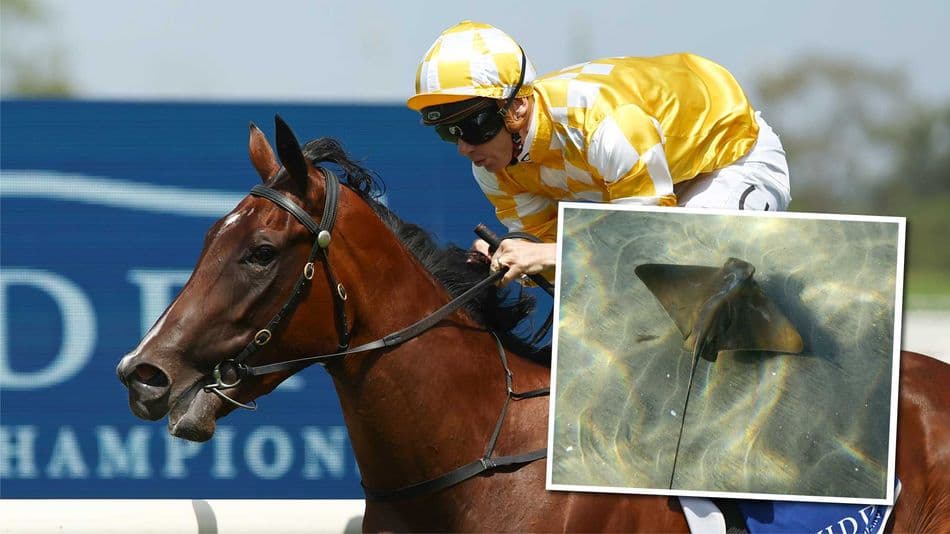
Lady Of Camelot’s stingray injury on a Brisbane beach wiped out a carefully mapped sprint campaign and could have ended her racing career before she ever reached Royal Ascot. The four-year-old mare, owned by Sir Owen Glenn’s Go Bloodstock Australia and trained by Gai Waterhouse and Adrian Bott, sustained wounds to her near foreleg during a beach swim on Tuesday morning, and connections immediately pulled the plug on her Brisbane and international targets.
She had been due to run in Saturday’s Doomben 10,000, a Group 1, 1,200-meter weight-for-age race with A$1.5 million in prize money, before moving on to England for Royal Ascot, where she was being pointed at two of the meeting’s top sprint races. The King Charles III Stakes is set for June 16, 2026, and the Queen Elizabeth II Jubilee Stakes follows on June 20, 2026, but those plans were shelved as soon as the injury was assessed. One market had already installed her at 12-1 for the King Charles III Stakes and 10-1 for the Jubilee Stakes, a sign that bettors had begun to price in her Australian form as a serious international threat.
That was no idle projection. Lady Of Camelot won the A$5 million Golden Slipper at Rosehill Gardens in March 2024, giving Waterhouse a record eighth victory in the race and marking her as one of the best sprint fillies in Australia. Even without another Group 1 win since, she remained a live name in major-company conversation, which is why the Ascot route had taken shape in the first place.
Go Bloodstock said she had been transferred to a specialist veterinary hospital and was under close observation. The priority, Sir Owen Glenn said, was her recovery and well-being. Initial reports suggested her future in racing was in serious doubt, and while no retirement decision had been announced, the possibility now hangs over a mare whose value had extended beyond the track and into breeding plans.
The wider loss is to the summer sprint map itself. Lady Of Camelot was not just another entrant; she was a proven Group 1 filly with the pedigree and profile to matter at Doomben, then again at Ascot Racecourse. Her absence leaves rival camps with one less benchmark and bettors with a hole in the form line they had been building toward Royal Ascot.
This article was produced by Prism’s automated news system from verified source data, official records, and press releases, then run through automated quality and moderation checks before publishing. The system is built and supervised by the people who set the standards it runs under. Read our full AI policy.
Did this article answer your question?