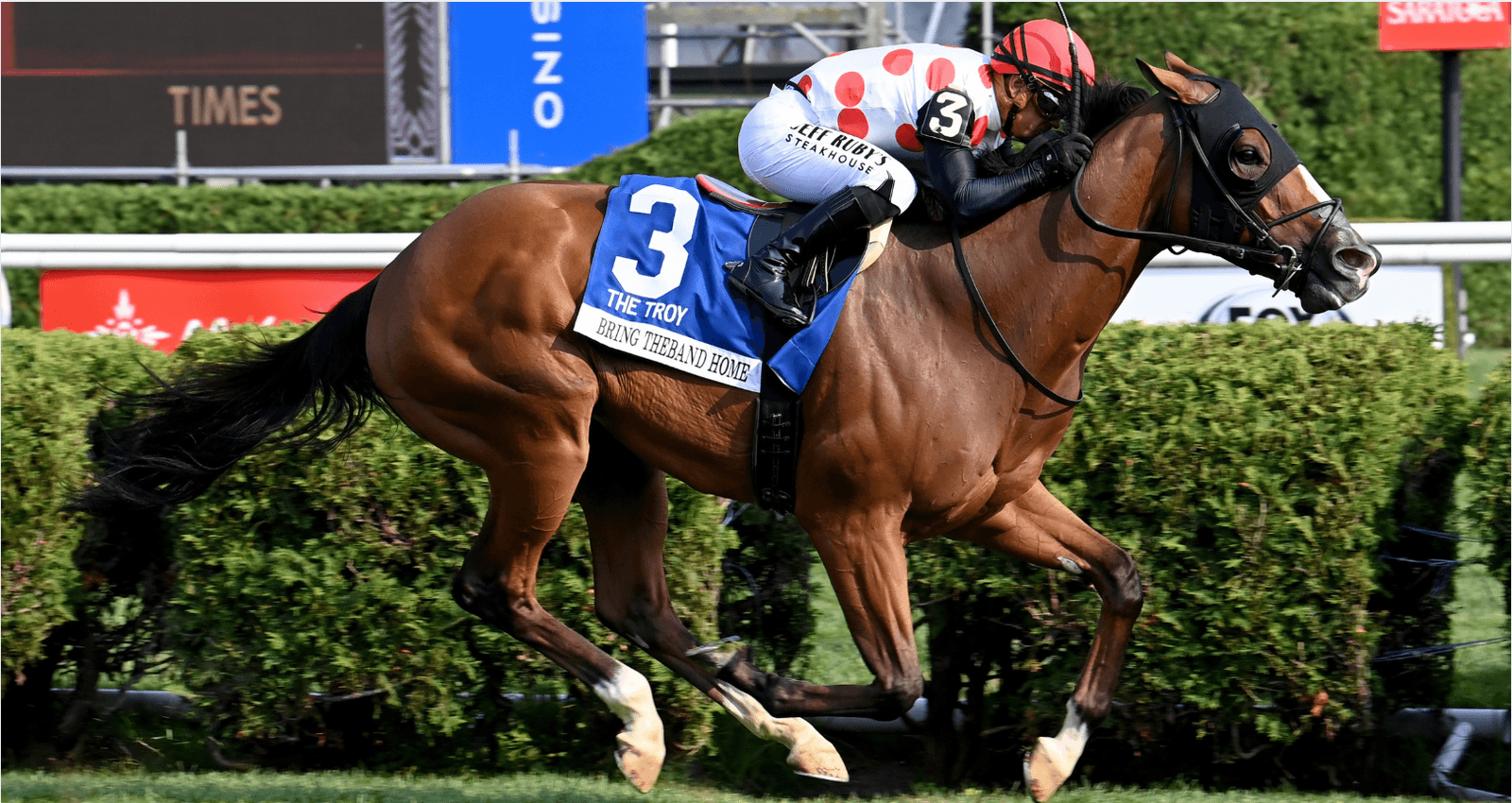
Lapotheose Stuns Strong Field in Prix Saint-Alary Upset
Lapotheose turned a six-runner Saint-Alary into a genuine Classic signal, beating the favorite and forcing a fresh look at the French Oaks trail.

Lapotheose did more than spring a pricecut surprise at ParisLongchamp. She turned the Camille Pissarro Coolmore Prix Saint-Alary into a real stakes-changing moment, defeating the favorite Gilded Prize and stamping herself as a filly who belongs in the French Classic conversation.
Sent off at 12/1 in the Group 2 for three-year-old fillies over 2000 meters on soft turf, Lapotheose covered the trip in 2:03.41 under Alexis Pouchin and kept her unbeaten record intact. The six-runner race finished Lapotheose, Concorde Agreement, Evita, Habibi, Gilded Prize and Composing, with Gilded Prize finishing fifth and taking her first defeat. For a race that was supposed to sort out the shape of the filly division, that is a meaningful reshuffle.
The upset was striking because the market had bigger names and stronger public reputations to work with, yet Lapotheose swept through without any sense of a throwaway result. That matters at this level. In French fillies’ stakes, winning style can be as important as the winning margin, and Lapotheose answered both the visual and numerical tests. She did it for trainer Yann Barberot, who claimed his first Group 2 success in the race, and for an ownership and breeding operation listed as Riviera Equine S.A.R.L. and Gestüt zur Kuste AG.
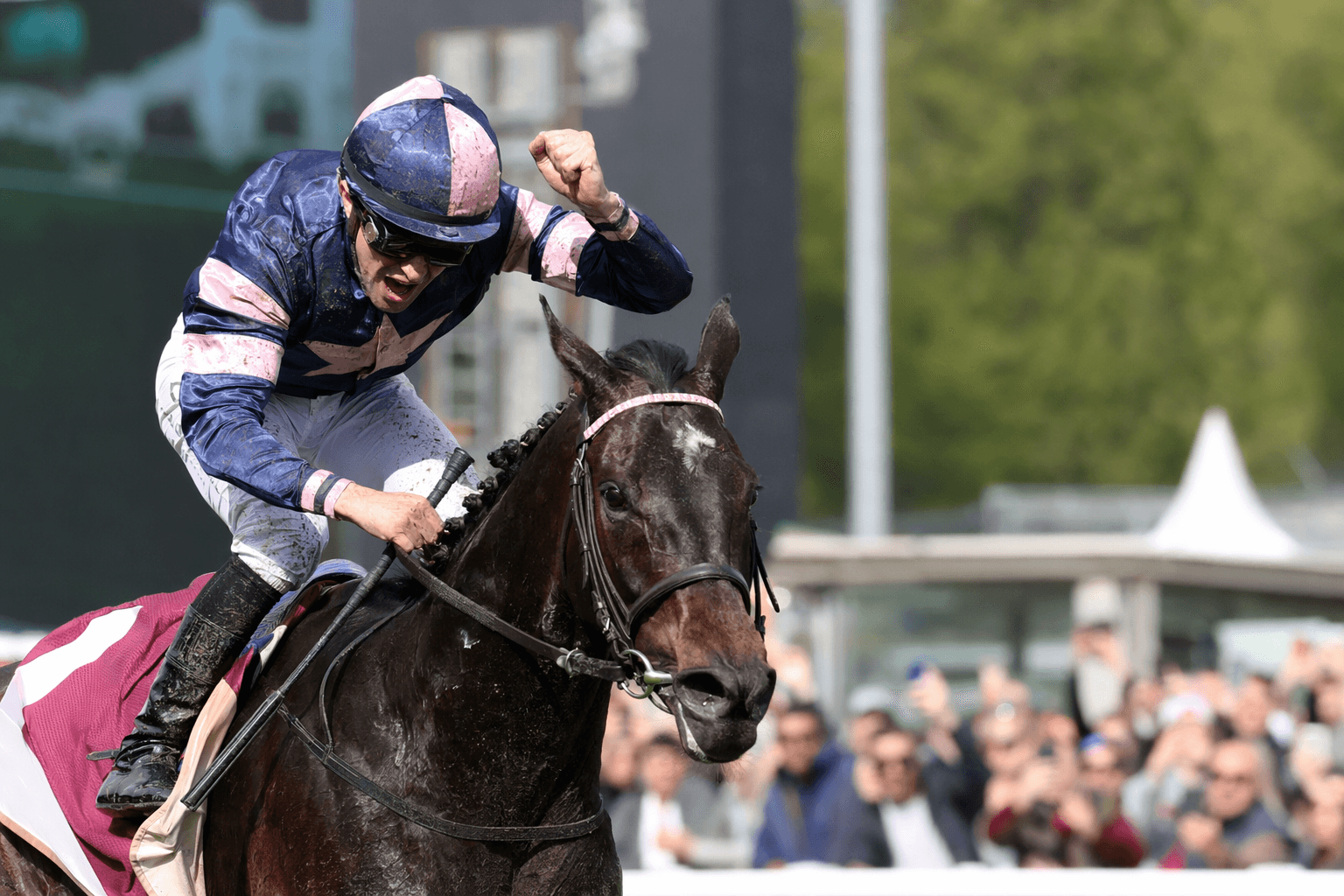
There were pedigree clues in plain sight. BloodHorse identified Lapotheose as a 3-year-old filly by Wootton Bassett out of Loyale, and that parentage now carries even more weight after another black-type performance for a sire line already making a major impact in Europe. Sporting Life also had her coming into the Saint-Alary off a spotless four-for-four record after earlier wins on 22 September 2025, 18 March 2026, 19 April 2026 and now May 10, 2026. That kind of progression rarely belongs to a one-day wonder.
The bigger takeaway is that the Saint-Alary still matters as a French Oaks trial. First run in 1960, it remains a Group 2 benchmark for fillies trying to move from promise to the highest level, and Lapotheose now sits squarely on that ladder. The race may have been shorter on runners than the depth some expected, but the result was long on consequence: she looked like a filly with upward momentum, not just a soft-field beneficiary. The next step will tell us how far that momentum can carry, but she has already earned a place among the serious Prix de Diane names.
This article was produced by Prism’s automated news system from verified source data, official records, and press releases, then run through automated quality and moderation checks before publishing. The system is built and supervised by the people who set the standards it runs under. Read our full AI policy.
Did this article answer your question?