Late CAW Bets Shake Horse Racing, Squeeze Odds, Anger Bettors
CAW teams are dumping huge last-second wagers that can flip odds after fans have already bet, and one Santa Anita study showed they owned 30% of final-minute handle.
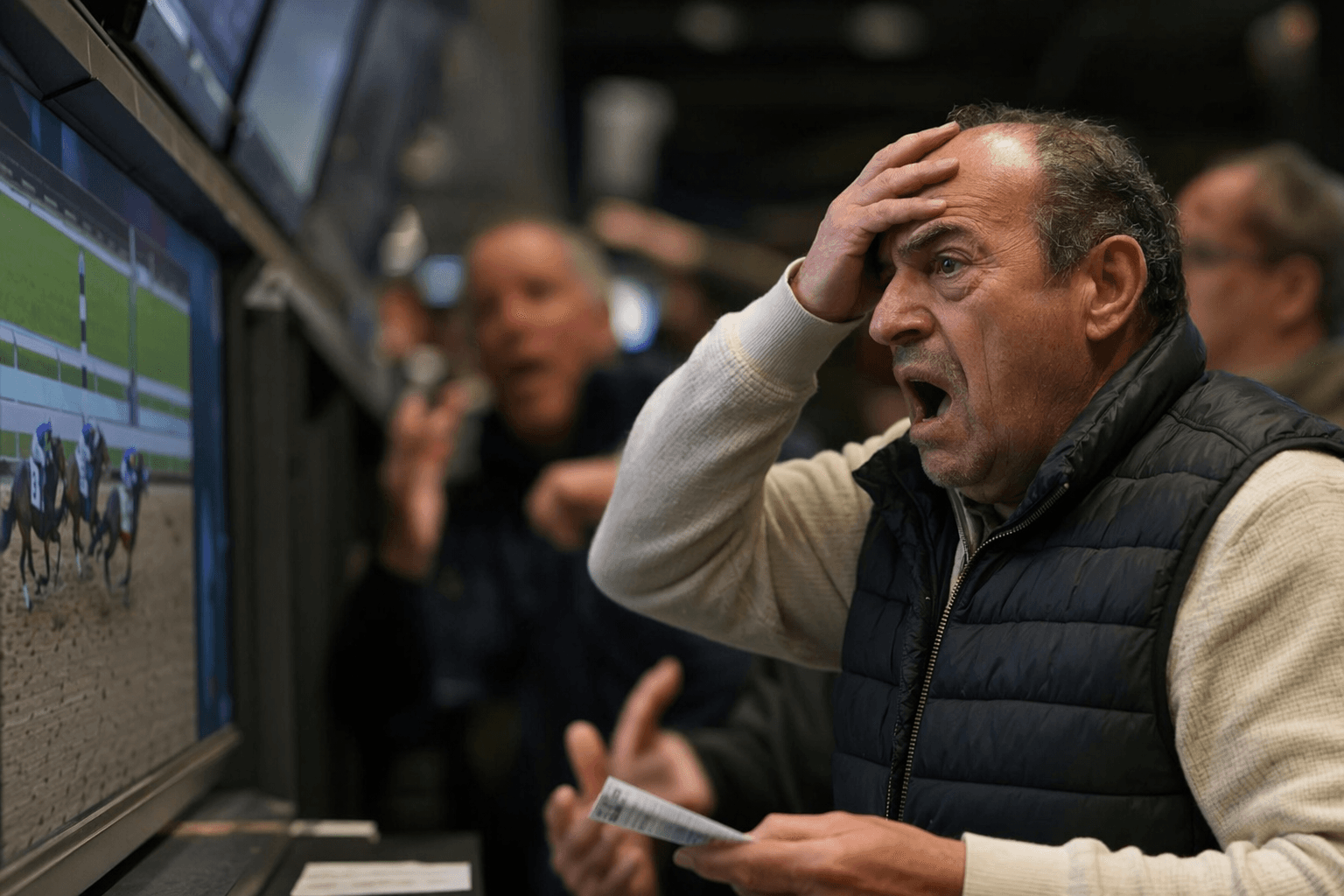
Late money has become the most aggravating move in horse racing. A bettor can make what looks like a sharp pick, only to watch the odds collapse in the final flash before post time as Computer-Assisted Wagering teams fire huge bets through algorithms and real-time tote data.
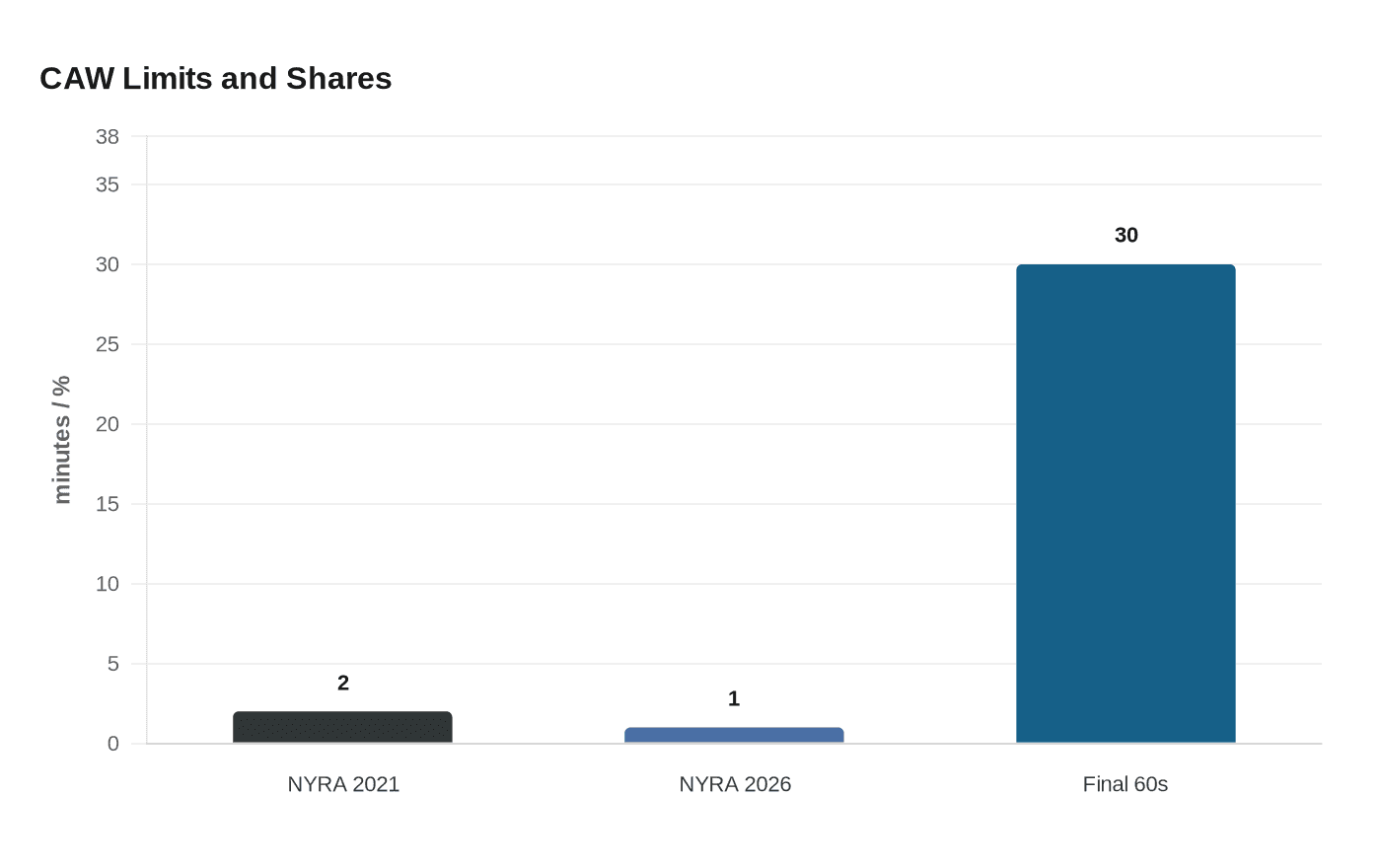
That squeeze is no longer anecdotal. At an April 8, 2026 Association of Racing Commissioners International conference, panelists said CAW players account for roughly 25% to 30% of handle, while industry estimates put the group’s annual wagering at about $3 billion to $4 billion, or 30% or more of racetrack handle. In a year of Santa Anita data from July 1, 2024 through June 30, 2025, CAW players accounted for an average of 30% of the handle in the final 60 seconds before each race.
For ordinary horseplayers, that means the game can feel rigged after the ticket is already punched. The horse that looked like value at the windows can be hammered down by late syndicate money, shrinking the payoff after retail bettors have committed. The frustration helped fuel a louder backlash in 2025, when Mike Repole and Dave Portnoy publicly urged tracks to restrict CAW access and warned that players would keep getting burned unless the industry acted together.
Some tracks have moved, but unevenly. NYRA was first to impose a cutoff for CAW win bets in July 2021, setting a two-minute limit before post. On January 30, 2026, NYRA announced new guardrails aimed at reducing late-stage odds volatility, then required CAW activity to stop one minute to post in all pools that had not already been under high-speed restrictions beginning February 5, 2026. David O’Rourke said NYRA planned to limit CAW activity in nearly all pools to one minute to post.
Still, not everyone sees elimination as the answer. At the same April conference, California Horse Racing Board executive director Scott Chaney said CAW is “not a problem to be solved,” while Keeneland’s Jim Goodman said racing must learn to coexist with CAW players. Pat Cummings of the National Thoroughbred Alliance said NYRA was exploring a “volatility index” so bettors could see how extreme the public-market swings really are.
The research trail has only hardened the case for change. Marshall Gramm and Nick McKinney found CAW influence in New York pools was growing, and that cutoff policies reduced late odds changes in win pools. In October 2025, Hagens Berman filed a class-action lawsuit in federal court in New York accusing major racing interests including Churchill Downs Incorporated, The Stronach Group, and NYRA-affiliated interests of colluding around wagering systems that favored privileged CAW insiders. The fight is now about more than price movement: it is about whether racing can keep everyday bettors when the last minute keeps belonging to somebody else.
This article was produced by Prism’s automated news system from verified source data, official records, and press releases, then run through automated quality and moderation checks before publishing. The system is built and supervised by the people who set the standards it runs under. Read our full AI policy.
Did this article answer your question?