Laurel Park’s layout could decide the relocated Preakness Stakes
Laurel Park changes the Preakness math: a wider surface, longer stretches and a 14-horse gate could punish speed and reward patience.

Laurel Park changes the Preakness math
The 151st Preakness Stakes is not just moving 30 miles south, it is moving into a different race shape altogether. Saturday, May 16, 2026 at Laurel Park, the middle jewel of the Triple Crown will be asked to run over a wider oval, a longer stretch and a configuration that should force bettors to rethink who really has the edge.
That matters because the venue change is not cosmetic. Pimlico Race Course is in the middle of a $400 million reconstruction and renovation project, authorized by the Maryland General Assembly in 2024 through a bond package that also funds a new training facility at Shamrock Farm in Carroll County. State officials have said racing is expected to return to Baltimore in 2027, which makes this Preakness a one-year detour, but one with enough strategic consequences to change how the race unfolds. It is the first time since 1909 that the Preakness will be staged somewhere other than Pimlico.
Why Laurel is a different animal
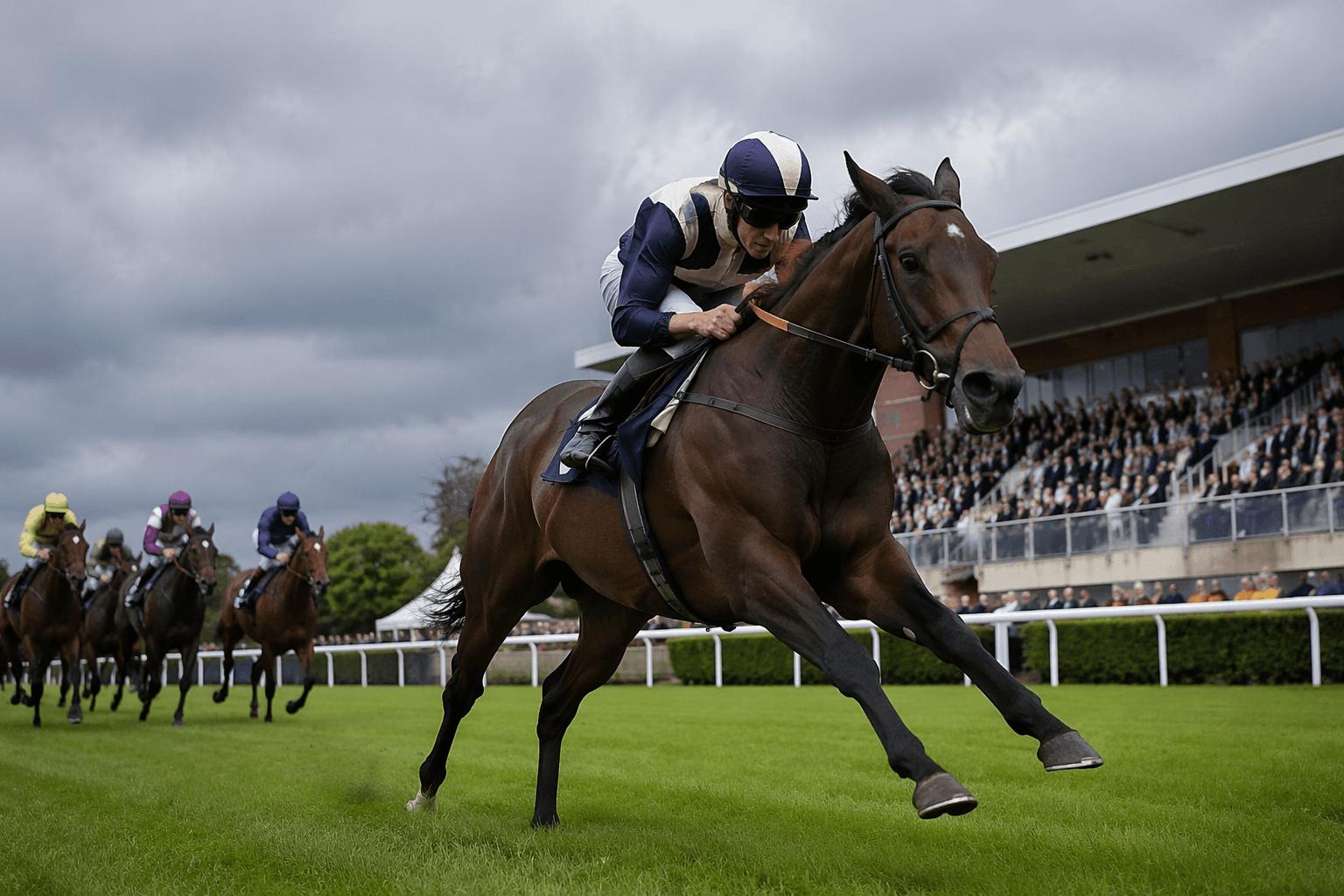
Laurel Park’s main dirt track is a 1-mile, 600-foot oval, 95 feet wide, with a 1,089-foot stretch to the first finish line and a 1,419-foot stretch to the second finish line. Those numbers are not trivia. They tell you immediately that this surface asks different questions than Pimlico’s shorter, tighter layout, where sharper tactical speed has historically carried more weight.
A wider track generally gives horses more room to settle, shift and launch, which can reduce the pressure of being stuck inside and can make trips less binary than they are at a tighter venue. The longer stretches also change the value of early position: a horse that clears too soon but cannot keep rolling is more vulnerable when the run to the wire gives closers more time to organize their move. In a 1 3/16-mile race, that can be decisive.
Pace is the first handicap angle now
The biggest betting mistake would be assuming the Preakness at Laurel will reward the same profile that usually works at Pimlico. At Laurel, the key question is not just who is fastest to the first turn, but who can stay balanced through the far turn and still produce on the long drive home. That tends to favor horses with enough speed to avoid traffic, but enough reserve to sustain a move when the race starts to unwind.
Speed horses can still matter, especially if the field comes up short on proven stamina, but they are no longer operating on a track that naturally magnifies every positional advantage. A stalker with a clean trip may be more dangerous than usual, because Laurel’s layout can let that runner sit closer without getting cooked by the early pace. On the other hand, a deep closer must still be efficient enough to avoid leaving too much to do, even with the longer lane.
The field could be thinner than usual, and that changes the equation
The Preakness field is limited to 14 starters, but the Maryland Jockey Club reportedly had 16 horses listed as possible entrants. That creates immediate uncertainty about who actually gets in, and it also suggests the gate could be a little less predictable than usual by race day. Smaller fields reduce traffic, but they can also make pace decisions more aggressive, because riders know there are fewer bodies to rescue them if they misjudge the tempo.
The other major wrinkle is the Kentucky Derby form line, or possibly the lack of one. Kentucky Derby winner Golden Tempo was reported to be skipping the Preakness, even though official Preakness notes said his participation had been undecided earlier in the week. If no Derby horses show up, that would be an extremely rare setup and one that strips away the usual comparison point handicappers lean on to sort the field.
That absence would not just be symbolic. Derby starters often define the pace and quality of the race, so if Golden Tempo stays out and the rest of the Derby crew stays home too, connections are left to build a Preakness case from fresher angles: trip patterns, pace figures, and how a horse handles a track that is now doing a lot more of the talking.
Who benefits from the move to Laurel
The biggest winners in a Laurel Preakness are likely to be horses that can do two things at once: secure position without burning fuel, and keep their momentum alive around the far turn. That profile matters more here than a pure front-end burner trying to run away from the field on a surface that gives others more room to breathe.
- Horses with tactical speed and tractability should gain value, because they can secure a clean outside or stalking trip without getting trapped in the scrum.
- Runners with proven finishing power should also move up, because Laurel’s longer stretch gives them a better chance to turn a forward move into a sustained run.
- Horses that need a very tight, speed-favoring configuration to fully maximize their edge could be compromised, especially if they depend on quick acceleration rather than a longer, grinding advance.
The upshot is simple: Laurel is not a neutral substitute for Pimlico. It changes the cost of speed, the reward for patience and the penalty for being one-paced.
The state’s long game is bigger than one race
The Preakness at Laurel is also part of a wider Maryland racing reset. Officials have positioned Laurel Park as the state’s future thoroughbred training center, while the Pimlico project is designed to rebuild Baltimore’s historic home for the race and bring the Preakness back in 2027. Wes Moore, the Maryland Stadium Authority, the Maryland Thoroughbred Racetrack Authority and the Maryland Jockey Club are all part of a plan that treats this move as temporary, even if the 2026 race will feel anything but routine.
That broader context matters because the venue change is not only about where the race is run. It is about how Maryland wants to stage elite racing during the rebuild, how the horses are housed and trained, and how the Preakness adapts when the familiar Pimlico blueprint disappears. Laurel’s stable-area capacity and facilities add another layer to that adjustment, making the track more than a stopgap and more than a backdrop.
When the gate opens for the 151st Preakness, the most important horse may not be the most famous one. It may be the one that handles Laurel best, travels efficiently on a 95-foot-wide oval and finishes the stronger of the two finish-line scenarios. In a year when the venue is the story, that is the edge bettors should care about most.
This article was produced by Prism’s automated news system from verified source data, official records, and press releases, then run through automated quality and moderation checks before publishing. The system is built and supervised by the people who set the standards it runs under. Read our full AI policy.
Know something we missed? Have a correction or additional information?
Submit a Tip