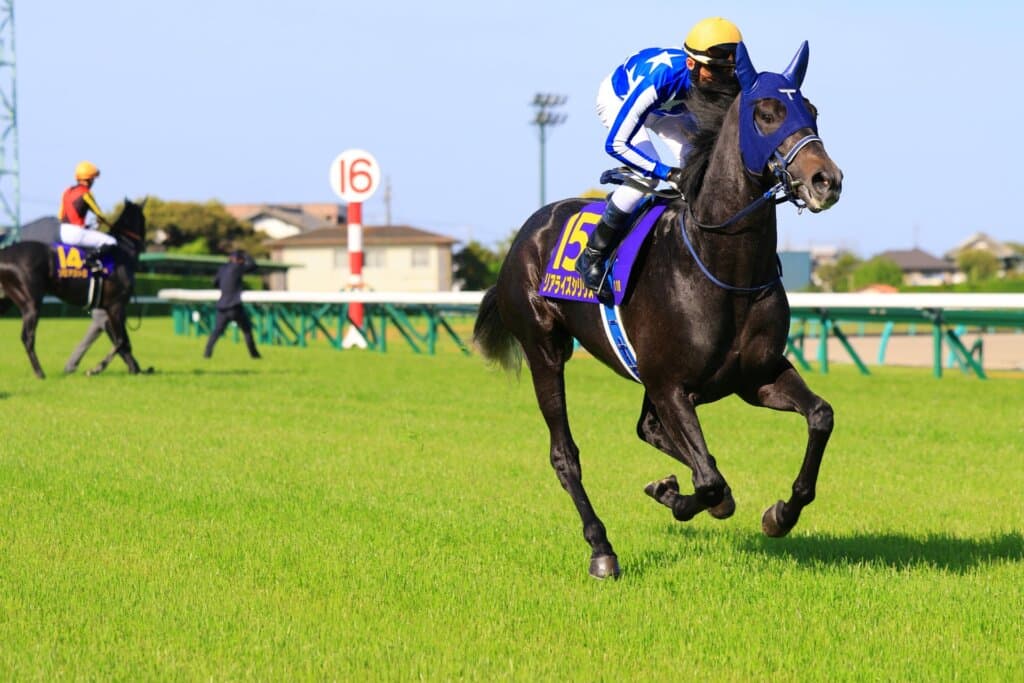
Lovcen looms as favorite for Tokyo Yushun after Satsuki Sho win
Lovcen has the pace, pedigree and finishing kick of a Derby favorite, but stall 17 leaves one obvious crack in the profile.
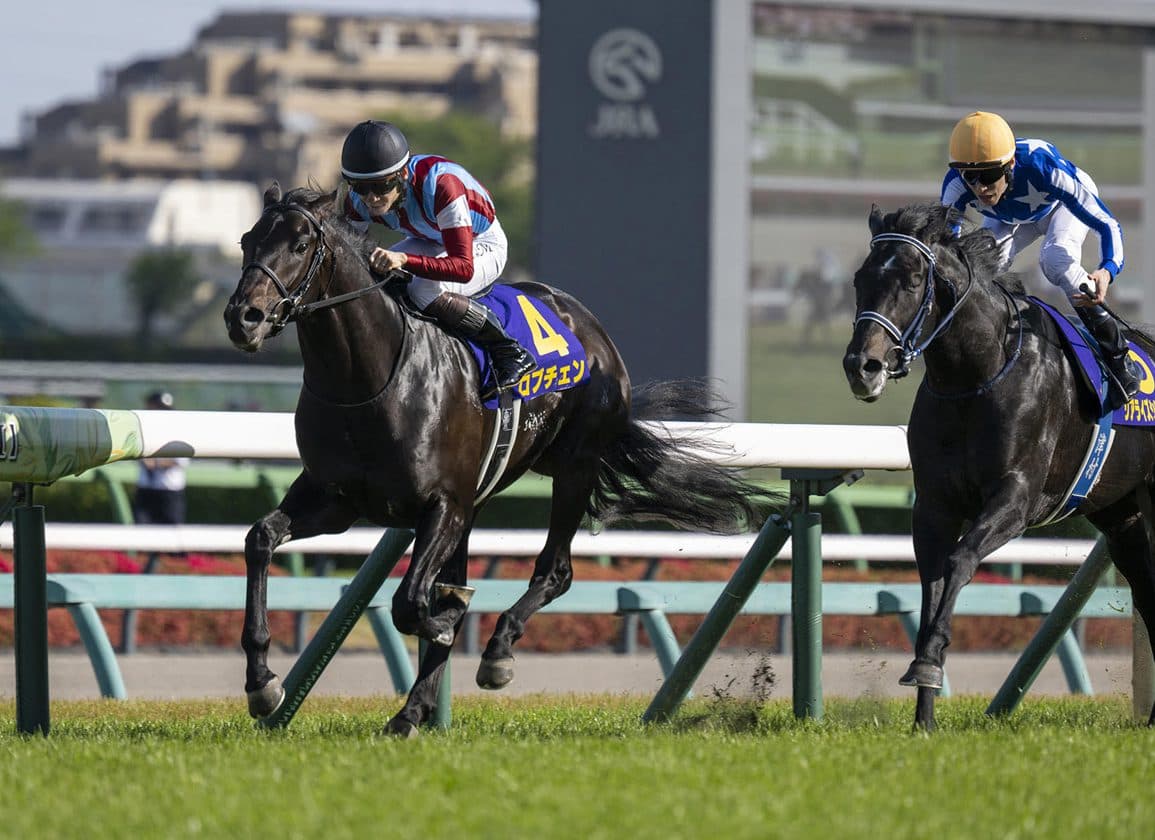
Lovcen has looked like the colt built for a Japanese Derby test from the moment he broke through at Kyoto, and his Satsuki Sho victory only sharpened the case. The World Premiere colt can force the issue from the front, quicken through traffic, and finish with enough power to stop a quality rival such as Realize Sirius in course-record time. That is why he goes into the 93rd Tokyo Yushun as the horse to beat.
The resume is as attractive as the running style. Lovcen did not make his first start until Nov. 9, but he won his debut at Kyoto over 2,000 meters, then stamped himself as a serious classic player when he threaded through traffic to take the Hopeful Stakes at Nakayama with a strong late burst. As a 3-year-old, he returned in the Kyodo News Hai and was third, then made the decisive move in the Satsuki Sho by setting the pace and covering 2,000 meters in 1:56.5, a course record that gave his connections the kind of proof bettors love heading into a 2,400-meter exam.
That is the heart of Lovcen’s appeal: class, speed, stamina and tactical versatility. He has already shown he can win when asked to control the race, and he has also shown he can absorb traffic and unleash a finishing kick. Haruki Sugiyama is not concerned about the extra 400 meters at Tokyo Racecourse, and the bloodlines explain why. Lovcen is by World Premiere out of Songwriting, with World Premiere by Deep Impact and Songwriting by Giant’s Causeway, a pedigree that points hard toward staying power rather than a one-dimensional speed profile.
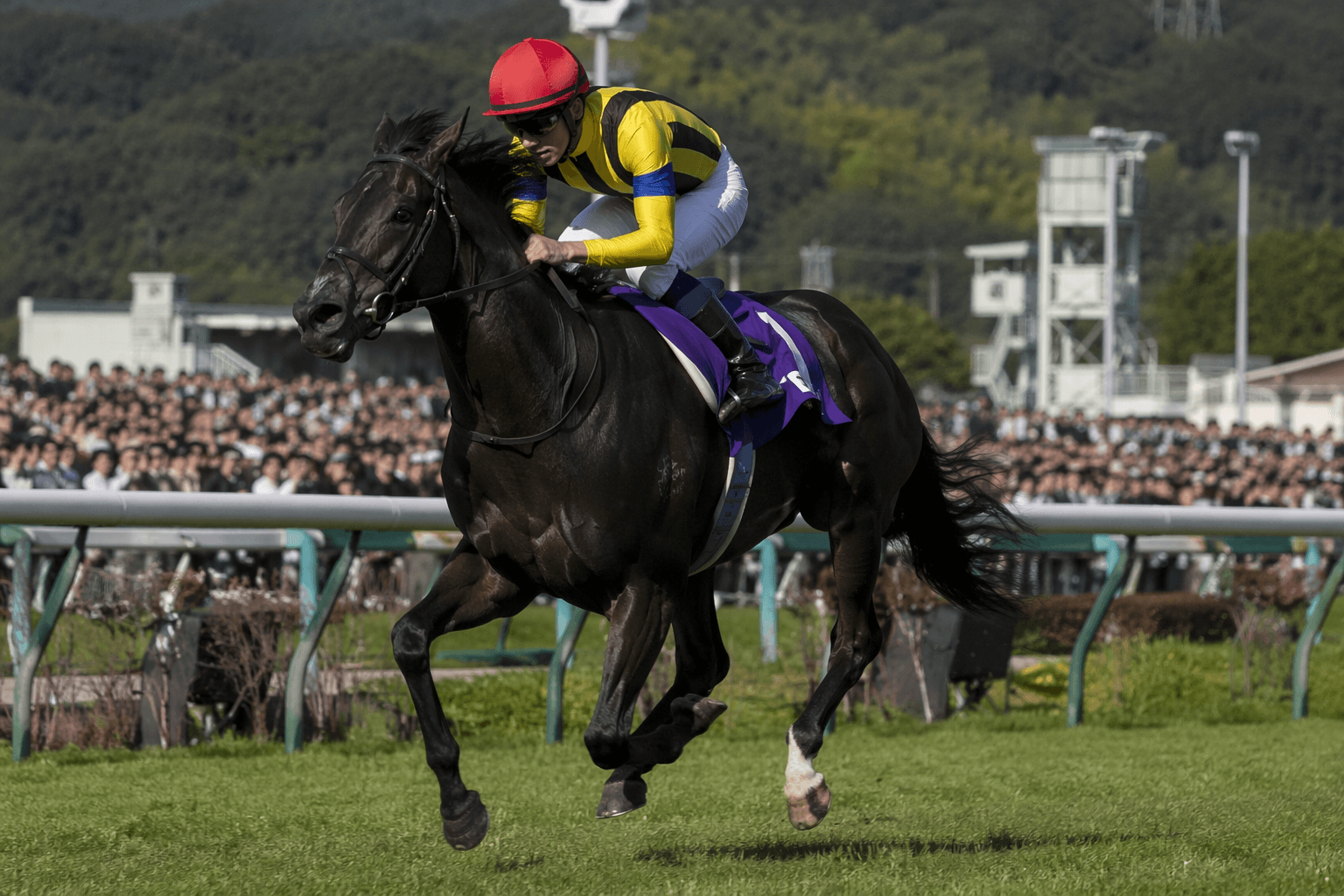
The one variable that keeps him from looking bulletproof is the draw. Lovcen landed in stall 17, a wider-than-ideal gate in a race where the inside has traditionally offered a slight edge. Tokyo’s 2,400-meter course starts in front of the grandstand, reaches the first corner after about 350 meters, and then asks for another long, grinding effort down a 525.9-meter straight with an uphill finish. In that setup, an outside post can force a colt to lose ground early or spend energy finding position before the race truly settles.
That is why Lovcen reads less like a lock than a vulnerable standout. The Japanese Derby has a long memory, a huge stage and a history that stretches back to 1932, with the race moving to Tokyo in 1934 and later opening to foreign-bred horses in 2001 before becoming an international race in 2010. JRA’s history page still calls it the festival of horse racing, and the event drew a Japanese attendance record of 196,517 in 1990. Lovcen has the form to justify favoritism, but stall 17 gives the field its best opening to crack the favorite-like profile before the real test begins.
This article was produced by Prism’s automated news system from verified source data, official records, and press releases, then run through automated quality and moderation checks before publishing. The system is built and supervised by the people who set the standards it runs under. Read our full AI policy.
Know something we missed? Have a correction or additional information?
Submit a Tip