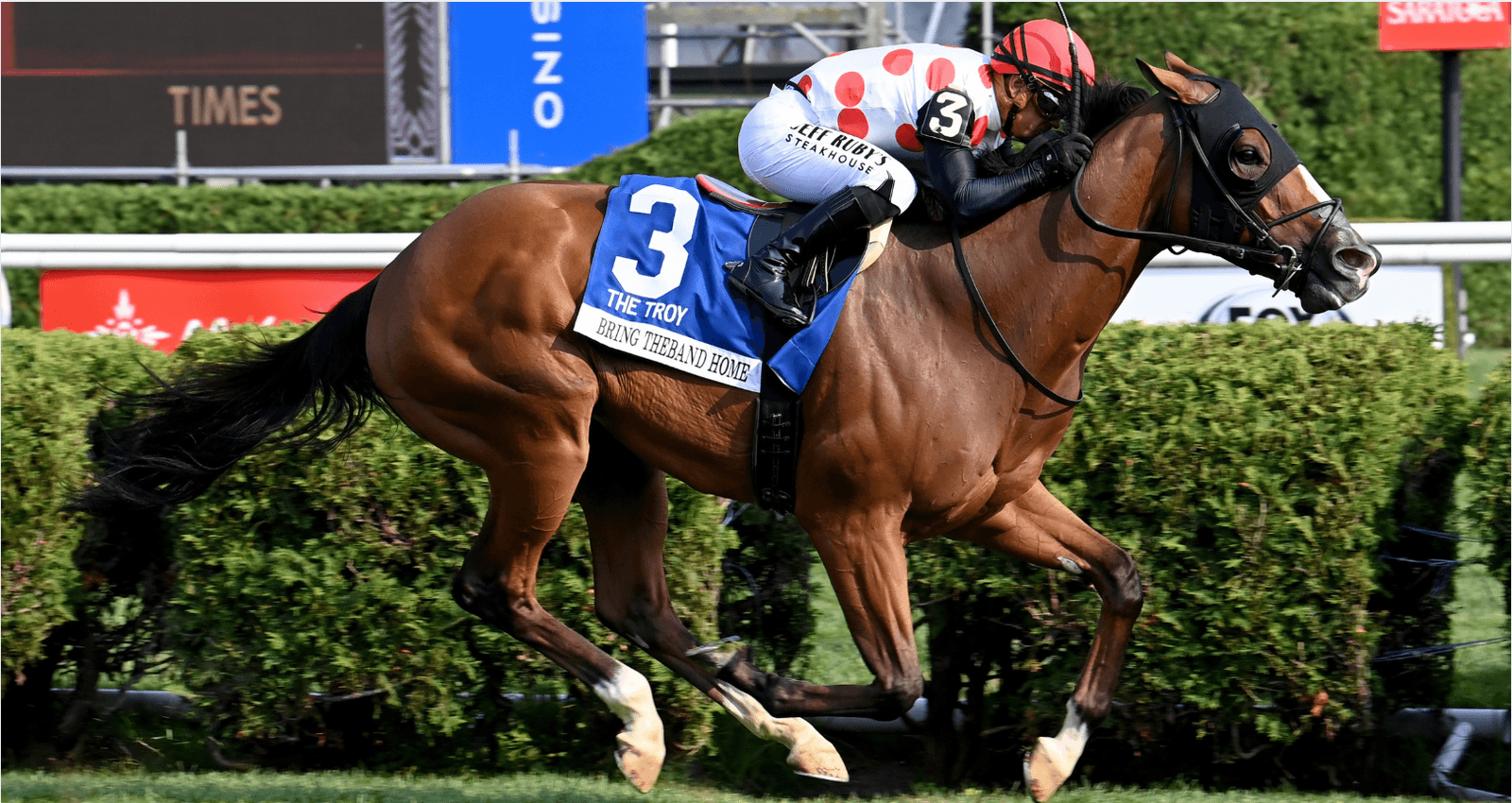
Mark Grant recalls £47,000 horse that sold for £450,000 in weeks
A £47,000 horse became a £450,000 sale in three weeks, and Mark Grant's Lambourn yard shows how pre-training can unlock hidden value.

The flip that put Mark Grant's yard on the map
Mark Grant remembers the trade the way the market remembers a breakout performance: one horse left his hands at £47,000 and, three weeks later, returned at £450,000. That kind of jump is not a fluke so much as a lesson in how quickly value can move when a horse is presented the right way, at the right time, to the right buyers.
The story sits at the center of the bloodstock business. In the breeze-up and pre-training world, horses are not just being exercised, they are being shaped for a market that rewards readiness, appearance and timing as much as raw ability. For Grant, the result was more than a profitable moment. It put his Lambourn yard on the map.
Why a horse can gain nearly tenfold in three weeks
The £47,000 to £450,000 leap is a market-inefficiency story at heart. A horse that is underprepared, lightly presented or simply not yet in the right phase of its development can be mispriced, especially in a trade where information is uneven and confidence is everything. Once that same horse is broken in, pre-trained and shown to advantage at the right sale, buyers see a very different asset.
That is where a pre-trainer matters. The job is not just to get the horse fit; it is to reduce uncertainty, improve polish and make the animal easier for a buyer to value. In the breeze-up trade, the horse’s appeal can rise sharply because the market is buying what it can see in motion, in condition and in context. Grant’s recollection captures that gap between hidden potential and visible value.
What Mark Grant Racing actually does
Mark Grant Racing is based in Lambourn, Berkshire, and describes itself as a breaking, pre-training and breeze-up consigning operation. The yard says it breaks more than 50 horses a year and buys, prepares and sells 15 to 20 breeze-up horses annually. That scale matters because this part of the industry depends on volume, repetition and an eye for the animals that can be transformed into saleable prospects.
Grant started the yard in the latter stages of his riding career, then expanded it over the years as the business developed. The operation only began preparing breeze-up horses in 2018, but it has grown into a place where horses are not simply handled, they are positioned for a marketplace that values readiness. In Lambourn, that means working in a village with a long racing identity and an established trade in producing stock for sale.
From first jockey to jump jockey to bloodstock operator
Grant’s route into the business explains why the yard feels so grounded in horsemanship rather than pure salesmanship. Mark Grant Racing says he was first jockey to David Watchman before Watchman turned to training purely flat horses. Grant later moved to the United Kingdom and went on to have a successful career as a jump jockey for 14 years.
That background matters because riders understand more than the stopwatch. They know how a horse carries itself, how it responds to pressure and how small improvements in balance and confidence can alter the way a buyer sees it. When a former jockey moves into breaking and pre-training, he brings a rider’s eye to a part of the market that is often decided by details that are easy to miss from the outside.
What pre-training changes in a horse's presentation
The value added by a pre-trainer is often visible long before a horse ever reaches the ring. A well-broken horse is easier to handle, easier to assess and easier for a potential buyer to imagine in a racing yard. A horse that has been prepared properly may show more professionalism in the preliminaries, which can matter as much as raw talent in a crowded sale market.
In practical terms, that means the yard’s work helps bridge the gap between promise and proof. Horses that arrive with quality but no market-ready polish can be improved through routine, conditioning and education. The result is not invention; it is packaging backed by horsemanship. In a breeze-up sale, where buyers make quick judgments from a short show of speed and composure, that packaging can make the difference between a modest bid and a major one.
Why Lambourn still matters in the modern trade
Lambourn remains important because it sits inside the ecosystem that turns raw young horses into commercial propositions. The area has long been associated with racing preparation, and operations like Grant’s show how the town still feeds the wider marketplace. The fact that a horse can be sold, resold and repriced so dramatically within three weeks says as much about the structure of the trade as it does about the horse itself.
This is a business built on timing. A horse that looks ordinary at one point can become highly desirable once it is better presented, better understood or simply viewed by a buyer at the right moment. That is why the Grant example resonates beyond one deal. It shows how quickly capital moves when information improves, and how much of the bloodstock market is still shaped by who sees what, when they see it and how the horse arrives in front of them.
The bigger lesson from a single sale
The headline figure is striking, but the deeper story is the way Grant’s yard created the conditions for that jump. A £47,000 purchase became a £450,000 sale because the horse was transformed from a horse with potential into one that the market could confidently price. That is the essence of the breeze-up and pre-training trade: not just finding horses, but revealing them.
For Mark Grant Racing, the episode did more than produce a dramatic number. It established credibility, widened the yard’s profile and showed why the middle ground between breaking and sale-day presentation can be one of the most valuable spaces in horse racing. In a market built on speed, perception and timing, the best yards do not just prepare horses for the track. They prepare them for the price.
This article was produced by Prism’s automated news system from verified source data, official records, and press releases, then run through automated quality and moderation checks before publishing. The system is built and supervised by the people who set the standards it runs under. Read our full AI policy.
Did this article answer your question?