Master Handicapping With Past Performances, Pace Maps, and Race Shape
Three skills separate sharp handicappers from the crowd: reading past performances, interpreting pace figures, and projecting race shape with a pace map before the gates open.
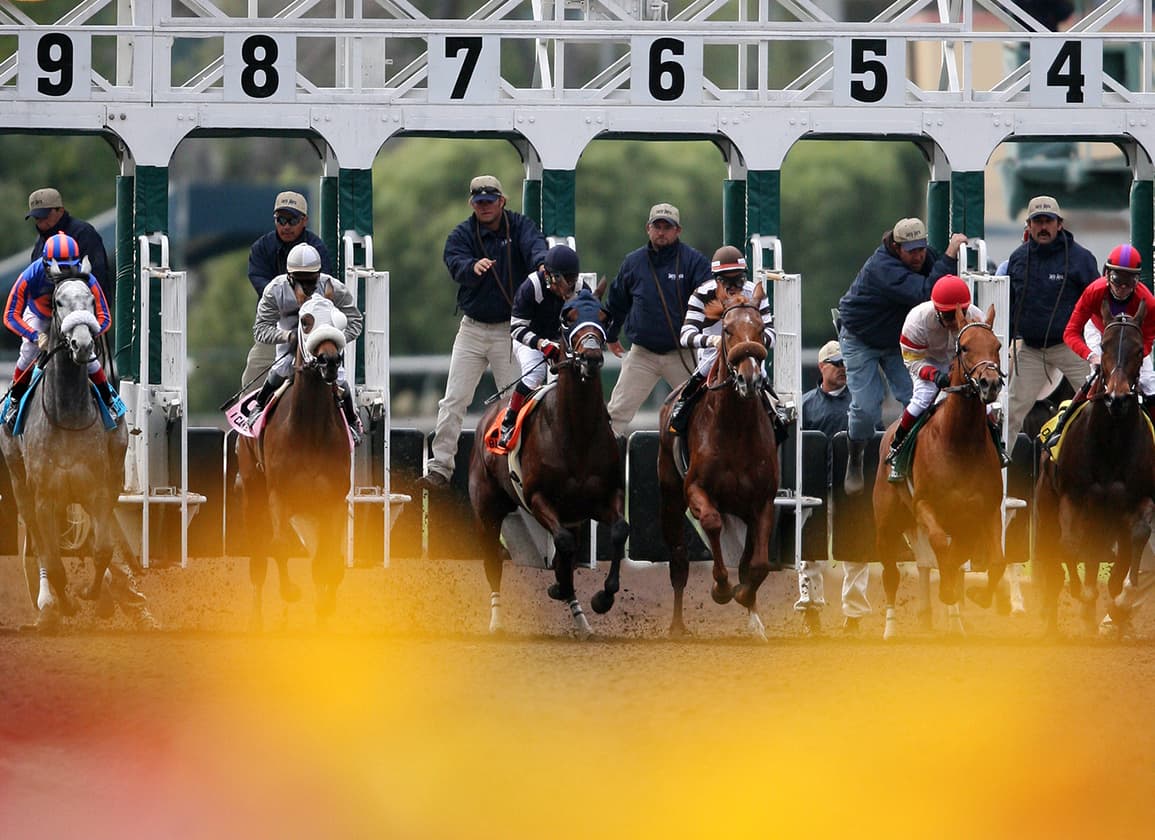
There is an adage in horse racing that "pace makes the race." But knowing that phrase and knowing how to use it are two very different things. The handicappers who cash tickets consistently do not just compare speed figures in isolation; they read the full story embedded in past performances, translate raw pace numbers into projected fractions, and then build a pace map that reveals how a race is likely to unfold before a single gate springs. Mastering these three interlocking skills transforms your approach from reactive to genuinely predictive.
Reading Past Performances: The Foundation of Every Bet
Past performances are the primary document of horse racing analysis. They are a map of where a horse was at each call, how fast the race went, and what happened when pressure arrived. Every line in a racing form tells a story: whether the horse was forwardly placed or buried in traffic, whether it faced a hot pace or a dawdling one, and whether its finishing kick was earned against quality rivals or padded by passing tired longshots.
Interpreting past performance charts effectively lets you assess a horse's form, consistency, and racing potential for informed betting decisions. The key is not to read any single line in isolation but to look for patterns across multiple races. Pay attention to trends as much as the figure itself: a horse might have had great speed figures in the past but has been steadily declining over the last few races, whereas another horse might be ascending leading up to today's race.
If you want to label running styles with confidence, read those lines carefully and pair them with video. A closer's eye-catching rally might be inflated by passing exhausted longshots. A supposed speed horse could have been hustled from a bad post and does not actually need the lead. Trips matter. Wide moves into headwinds, traffic inside the eighth pole, and pace-compromised setups can all distort the paper record.
Understanding Pace Figures: Quantifying Energy Expenditure
Pace is determined by examining the time it takes for horses to run different fractions of the race at quarter-mile increments. Modern past performance products, notably Brisnet's Ultimate Past Performances, break this down into three segmented figures. E1 measures early pace, typically to the first call around the quarter-mile mark, reflecting a horse's early foot. E2 covers middle pace to approximately the half-mile mark, showing sustained early speed. LP, or late pace, reflects closing ability in the final segment of the race.
BRIS pace figures break down a horse's performance into these segments, and each number is adjusted for track variant and class, making it easy to compare horses across races and circuits. Reading them in combination is where the real insight lives. Horses with high E1 and E2 figures are usually front-runners or pressers. Horses with low E1/E2 but high LP are deep closers. A balanced E2/LP combination often indicates a tactical or "swing" horse who can adapt depending on how a race develops.
A horse that ran a fast early pace figure but faded late may have been asked to do too much too soon. Conversely, a horse that ran into a slow pace may not have had a chance to show its full ability. Pace figures are also invaluable for explaining seemingly confusing results. A horse that finished fifth might have run into a pace setup that didn't suit its style, but the pace figures reveal the race was not run in its favor.
Identifying Running Styles: The Alphabet That Shapes Every Race
Before building a pace map, you need to classify each horse's natural running style. To fully grasp the concept of pace in a race, you need to understand running styles. Each horse has a running style that helps it produce its best efforts. Some horses have the flexibility to produce their best efforts using different running styles, but they tend to be the exception to the rule.
The primary designations in pace handicapping break down as follows:
- E (Early): Front-runners who need or want the lead. They typically show high early speed and low late pace figures, and are vulnerable if they don't get a clear lead.
- EP (Early Presser): Tactical speed types who can lead or press just off the pace, often getting the first run when the leaders tire.
- P (Presser): Horses that sit just behind the leaders, often 1-3 lengths back early, and must stay in range while having enough punch late.
- S (Sustained Closer): Horses that drop back early and rely on a pace collapse up front. They need a strong flow to be effective.
Horses don't always run the same way every time, but most have a preferred pattern. Knowing that style helps you anticipate who's likely to be where at the first call.
Building a Pace Map: Visualizing Race Shape Before the Gate Opens
A pace map is a visual tool used by handicappers to predict how a race is likely to unfold based on the early running styles and speed of the horses in the field. It arranges horses according to their typical pace positions, including early speed, stalker, midpack, and closer, and often includes indicators of projected pace pressure or advantage. The goal is to anticipate how the race will be run before it happens.
Start your pace handicapping by dividing the process into two parts. The first part focuses on the probable pace scenario of the race, made up of the projected race pace shape and each horse's running style and pace figures. The second part looks at the prevailing track pace bias to see if it supports your selections from part one or is strong enough to cause you to change them.
Once you understand running styles, the next step is figuring out how the early stages of a particular race are likely to unfold. This is where manual pace projection comes in: a process of reading past performances to predict where each horse will be positioned and how fast they'll go to get there. A practical approach:
1. Review the last three to five races for each horse, noting position at the first call and the fractions involved.
2. Note any changes in distance, surface, class, or jockey that might impact early effort.
3. Match horses up against each other and see who has shown the ability and the desire to lead or press.
4. Identify the dominant race shape: lone speed, contested pace, or a field dominated by closers.
A pace map is a powerful handicapping shortcut. It doesn't replace deep form analysis, but it brings race shape into focus faster and can reveal scenarios that don't jump out from the raw data.
The Four Race Shape Scenarios and What They Mean
The way a race unfolds early, its pace scenario, often determines who has a real chance at the wire. Understanding these common setups can help you anticipate which horses will be helped or hurt by the flow.
The most powerful scenario is lone speed. The identification of "lone speed" is one of the most powerful tools in pace handicapping. If a field contains only one genuine pacesetter, a fair break and a clean first furlong can carry that horse a very long way. When no other horse challenges for the front, the leader can control the tempo and conserve energy. These horses often wire the field, or at the very least hang on for a piece, even if they don't look best on paper.
The opposite scenario: multiple speed horses colliding. When multiple horses have a need for the lead, things can get ugly. Fast early fractions usually mean tired horses late. These races often collapse and set up for a closer or off-the-pace type, especially at longer distances or on tiring tracks.
Surface matters too. Real dirt surfaces tend to have some degree of early pace bias. As distances increase to longer sprints and route races, the early bias subsides and becomes more kind to closers, not necessarily favoring closers, but giving them a better chance at winning or finishing in the money. Most turf courses tend to be very kind to closers, frequently favoring the presser and sustained-closer horses.
Bringing It All Together
Relying on just one factor when handicapping a race leaves you with an incomplete view of how the race will turn out. It is important to take into consideration pace, speed, and class together when trying to pick a winner. Past performances supply the raw data; pace figures quantify each horse's energy expenditure across the race; and the pace map translates both into a projected narrative of the event you are about to bet.
The best race pace handicapping pairs the ledger with the replay so you can judge not only what happened, but why it happened. Over time, those habits turn past performances into a living narrative that points clearly to front-runners, stalkers, and late kickers before the next gate springs.
Pace does not just influence results; pace often decides them. If you organize a field by running styles and then ask what kind of race shape those styles are likely to create today, your handicapping moves from reactive to predictive, which is where long-term success begins.
This article was produced by Prism’s automated news system from verified source data, official records, and press releases, then run through automated quality and moderation checks before publishing. The system is built and supervised by the people who set the standards it runs under. Read our full AI policy.
Did this article answer your question?